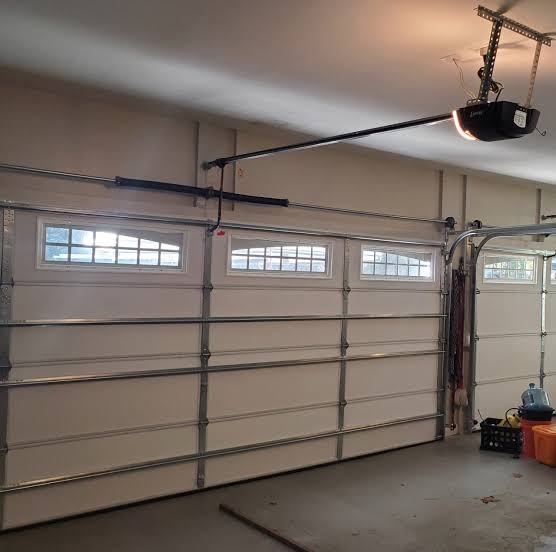
Introduction
There is nothing quite as frustrating as pressing the remote button, hearing the familiar hum of your garage door opener, and watching the door stay stubbornly shut. You are not alone in this predicament; thousands of homeowners face this exact scenario every year. If your garage door will not open but motor is running, it usually indicates a mechanical disconnect rather than an electrical failure. In this guide, we will walk you through safe, effective steps to diagnose and fix the issue, helping you regain access to your garage without unnecessary stress or expense.
Why Is My Garage Door Motor Running But Not Moving?
Before diving into repairs, it is crucial to understand why this happens. When the motor runs, it means the electrical components—the circuit board, the capacitor, and the motor itself—are receiving power and functioning. The breakdown occurs in the transmission of that power to the door.
According to industry data from the International Door Association (IDA), nearly 60% of garage door service calls are related to broken springs or disconnected hardware rather than motor failure. Understanding this distinction saves you money by preventing you from replacing a perfectly good motor.
The most common culprits include:
- A disconnected emergency release cord.
- Broken torsion or extension springs.
- Stripped gears inside the opener unit.
- Obstructions in the tracks.
Check the Emergency Release Cord First
The most frequent and easiest-to-fix cause of a running motor with a stationary door is the emergency release mechanism. This red cord with a handle hangs from the trolley that moves along the rail.
How It Works
When you pull this cord, it disengages the trolley from the opener carriage. This allows you to open the door manually during a power outage. However, if the cord was accidentally pulled, bumped, or not fully reset after manual use, the motor will spin freely without moving the door.
Step-by-Step Fix
- Locate the Cord: Look for the red handle hanging near the center of the garage door rail.
- Inspect Position: Check if the trolley is separated from the carriage.
- Re-engage: Pull the cord gently toward the motor unit until you hear a distinct click. This sound confirms the trolley has re-engaged with the carriage.
- Test: Use your wall button or remote to operate the door. It should now move smoothly.
Pro Tip: Ensure the door is fully closed before re-engaging the release. Trying to reconnect while the door is partially open can damage the gears.
Inspect for Broken Springs
If the emergency release is engaged correctly but the door still won’t lift, the next likely suspect is a broken spring. Garage doors are heavy, often weighing between 150 to 400 pounds. The springs do the heavy lifting, while the motor merely guides the movement.
Signs of a Broken Spring
- Loud Bang: You may have heard a loud gunshot-like noise recently.
- Gap in Coil: Look at the torsion spring (mounted above the door) or extension springs (on the sides). A visible gap in the coils indicates a break.
- Heavy Door: Try lifting the door manually (with the release pulled). If it feels extremely heavy and doesn’t stay up when lifted halfway, the spring is likely broken.
Safety Warning
Do not attempt to replace garage door springs yourself. Torsion springs are under extreme tension and can cause severe injury or death if handled incorrectly. This is strictly a job for certified professionals.
For more detailed information on garage door mechanics and safety standards, you can refer to the general overview on Wikipedia’s Garage Door page.
Examine the Opener Gears and Sprocket
If the springs are intact and the release is engaged, the problem may lie inside the opener unit itself. Most chain-drive and belt-drive openers use plastic or nylon gears to transfer power from the motor to the drive shaft. Over time, these gears can strip or wear down.
Symptoms of Stripped Gears
- Grinding Noise: Instead of a smooth hum, you hear a grinding or crunching sound.
- Motor Spins Freely: The motor runs, but the chain or belt does not move.
- Visible Debris: You might see small pieces of white plastic near the motor housing.
What To Do
- Unplug the Unit: Always disconnect power before inspecting internal components.
- Remove the Cover: Unscrew the light lens and the cover plates to access the gear assembly.
- Inspect Gears: Look for missing teeth or worn-down cogs.
- Replace if Necessary: If the gears are stripped, you will need to purchase a gear replacement kit specific to your opener model (e.g., LiftMaster, Chamberlain, Genie). These kits are affordable and often include lubrication.
Clear Track Obstructions and Align Sensors
Sometimes, the motor runs but the door stops immediately or refuses to budge due to physical blockages or safety sensor interference.
Check the Tracks
Inspect the metal tracks on both sides of the door. Look for:
- Debris: Leaves, rocks, or tools blocking the rollers.
- Dents: Bent tracks can jam the rollers.
- Loose Bolts: Ensure all track brackets are securely fastened to the wall and ceiling.
Test the Safety Sensors
Modern garage doors have photo-eye sensors near the floor on both sides. If these are misaligned or blocked, the door will not close, and some models will refuse to open as a safety precaution.
- Check Lights: Both sensors should have a steady LED light (usually green or amber). If one is blinking or off, they are misaligned.
- Clean Lenses: Wipe the lenses with a soft cloth to remove dust or spiderwebs.
- Align Eyes: Adjust the brackets until both lights are steady.
When to Call a Professional
While many issues can be resolved with DIY efforts, certain situations require expert intervention. Knowing when to call a pro can save you time and prevent further damage.
| Issue | DIY Feasibility | Risk Level | Recommended Action |
|---|---|---|---|
| Disengaged Release Cord | High | Low | Re-engage manually |
| Misaligned Sensors | High | Low | Clean and realign |
| Stripped Gears | Medium | Medium | Replace gear kit if comfortable |
| Broken Springs | Low | High | Call a Professional |
| Damaged Cables | Low | High | Call a Professional |
| Motor Burnout | Low | Medium | Replace opener unit |
If you are unsure about any step, especially those involving high-tension components like springs and cables, prioritize safety and contact a licensed garage door technician.
FAQ Section
1. Can I force my garage door open if the motor is running but not moving?
You can manually open the door by pulling the emergency release cord. However, do not force it if it feels stuck. Forcing a jammed door can bend tracks or damage rollers. If the door is heavy and doesn’t lift easily, stop immediately and check for broken springs or obstructions.
2. Why does my garage door motor run backwards when I try to open it?
This is usually a limit setting issue. The “up” and “down” travel limits on the opener may be reversed or incorrectly calibrated. Consult your owner’s manual to adjust the travel limit screws or buttons on the motor unit. If the problem persists, the logic board may be faulty.
3. How much does it cost to fix a garage door that won’t open?
Costs vary widely based on the issue. Re-engaging the release cord is free. Replacing stripped gears costs between $50–$150 for parts. However, replacing broken springs typically costs $200–$400, including labor. Full motor replacement ranges from $300 to $600.
4. Is it dangerous if my garage door makes a grinding noise?
Yes, a grinding noise often indicates stripped gears or lack of lubrication. Continuing to operate the door in this condition can completely destroy the gear assembly, leaving you stranded. Unplug the opener and inspect the gears immediately.
5. How often should I maintain my garage door to prevent this issue?
Experts recommend a bi-annual maintenance check. Lubricate moving parts (rollers, hinges, springs) with silicone-based lubricant, tighten hardware, and test the balance and safety sensors. Regular maintenance can extend the life of your opener by 5–10 years.
Conclusion
Dealing with a garage door will not open but motor is running situation can be alarming, but it is often a simple fix. By checking the emergency release cord, inspecting for broken springs, and examining the internal gears, you can resolve most common issues safely. Remember, your safety is paramount—never attempt to repair high-tension springs or cables on your own.
If you found this guide helpful, please share it with your friends and neighbors on social media. Helping others troubleshoot their home issues builds a stronger, more prepared community. Stay safe, and keep your garage running smoothly!
Leave a Reply