Introduction
There’s nothing more frustrating than pressing your garage door remote and watching it stop halfway up. If your garage door will not go up all the way, you’re not alone—this is one of the most common homeowner complaints. Whether it’s a safety sensor issue, track misalignment, or opener malfunction, understanding the root cause can save you time, money, and stress. In this guide, we’ll walk you through everything you need to know to diagnose and fix the problem yourself.
Why Won’t My Garage Door Go Up All The Way?
Before jumping into solutions, it’s essential to understand why this happens. Garage doors are complex mechanical systems with multiple components that must work in harmony. When one part fails or becomes misaligned, the entire system can stall.
Common reasons include:
- Obstructed or misaligned safety sensors
- Worn-out springs or cables
- Track alignment issues
- Opener motor problems
- Remote control or wall switch malfunctions
According to the International Door Association (IDA), nearly 30% of garage door service calls involve incomplete opening or closing cycles. Understanding these causes helps you target the right fix.
Check the Safety Sensors First
Are the Sensors Aligned and Clean?
The most frequent culprit behind a garage door that won’t go up all the way is the safety reversal system. Modern garage doors are equipped with photo-eye sensors near the floor on both sides of the door. These sensors detect obstacles and prevent the door from closing—or in some cases, opening—if something is blocking the beam.
Steps to check:
- Look for blinking lights on the sensor units. A steady light means they’re aligned; a blinking light indicates misalignment.
- Clean the lens with a soft cloth to remove dust, spider webs, or debris.
- Ensure nothing is blocking the beam between the two sensors.
- Gently adjust the brackets until both lights turn solid.
If cleaning and realigning don’t work, the sensors may be faulty and need replacement.
Pro Tip: Never bypass the safety sensors. They’re required by federal law (since 1993) to prevent entrapment injuries.
Inspect the Tracks and Rollers
Are the Tracks Bent or Misaligned?
Garage doors glide along metal tracks mounted on either side of the door frame. If these tracks become bent, loose, or misaligned, the door can jam or stop mid-cycle.
What to look for:
- Visible dents or bends in the track
- Loose bolts or brackets holding the track in place
- Roller wheels that are cracked, worn, or off-track
How to fix minor issues:
- Tighten any loose bolts with a socket wrench.
- Use a rubber mallet to gently straighten minor bends.
- Lubricate rollers and tracks with silicone-based spray (avoid WD-40, which attracts dirt).
For severe damage, consider calling a professional. Attempting major track repairs without proper tools can lead to injury or further damage.
Test the Garage Door Springs
Are the Torsion or Extension Springs Broken?
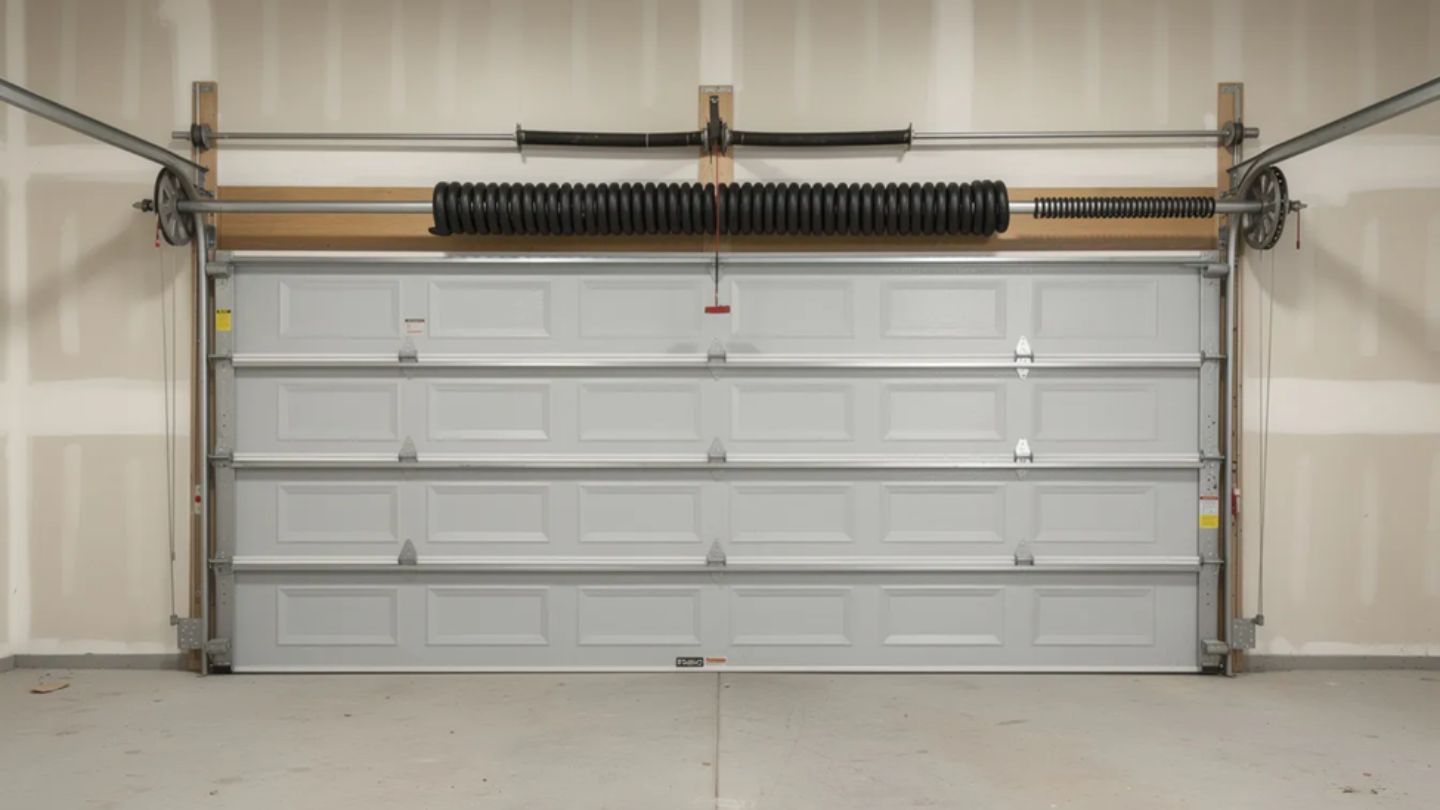
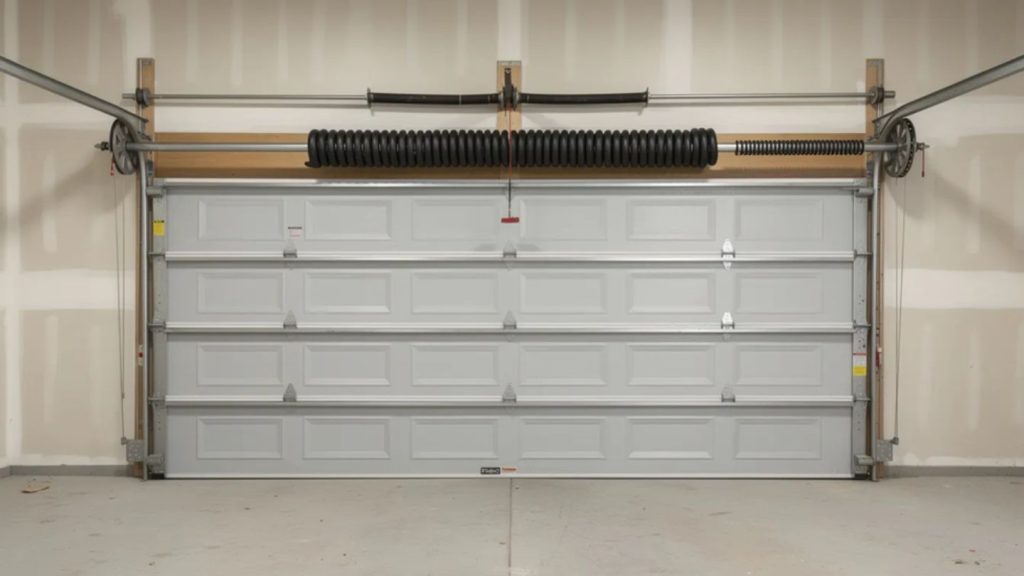
Springs counterbalance the weight of the garage door, making it easy for the opener to lift. If a spring breaks or loses tension, the door becomes too heavy to lift completely.
Signs of spring failure:
- Loud “bang” noise when the door was last used
- Door feels unusually heavy when lifted manually
- Visible gap or separation in the spring coil
⚠️ Warning: Garage door springs are under extreme tension. Do not attempt to repair or replace them yourself. This task should only be performed by licensed professionals due to the high risk of serious injury.
For more information on garage door safety standards, visit Wikipedia’s page on garage doors.
Examine the Garage Door Opener
Is the Opener Motor or Settings the Problem?
Sometimes the issue isn’t mechanical—it’s electronic. The garage door opener itself may have incorrect limit settings, a failing motor, or a damaged circuit board.
Troubleshooting steps:
- Check the travel limits: Most openers have “up” and “down” limit screws. If the “up” limit is set too low, the door will stop prematurely. Consult your opener’s manual to adjust these settings.
- Listen for unusual noises: Grinding, humming, or clicking sounds may indicate motor wear.
- Test the wall switch: If the wall switch works but the remote doesn’t, the issue may be with the remote’s battery or programming.
- Reset the opener: Unplug the unit for 30 seconds, then plug it back in. This can resolve minor electronic glitches.
If the opener is more than 10–15 years old, consider replacing it. Newer models offer improved safety features, quieter operation, and smart home integration.
Evaluate the Cables and Pulleys
Are the Lift Cables Frayed or Detached?
Lift cables work alongside the springs to raise and lower the door. If a cable frays, snaps, or slips off its pulley, the door will become unbalanced and may stop midway.
Inspection checklist:
- Look for visible fraying or rust on the cables
- Ensure cables are securely attached to the bottom brackets
- Check that pulleys spin freely without resistance
Like springs, cable replacement is dangerous and should be handled by a trained technician.
Quick Comparison: DIY Fixes vs. Professional Help
| Issue | Can You Fix It Yourself? | When to Call a Pro |
|---|---|---|
| Misaligned sensors | ✅ Yes | If sensors are damaged |
| Dirty or obstructed tracks | ✅ Yes | If tracks are severely bent |
| Limit setting adjustment | ✅ Yes | If adjustments don’t help |
| Broken springs | ❌ No | Always |
| Frayed or detached cables | ❌ No | Always |
| Motor failure | ❌ No | For diagnosis and replacement |
FAQ Section
Q1: Why does my garage door go up halfway and then reverse?
This is typically caused by misaligned or dirty safety sensors. The opener thinks there’s an obstacle and reverses direction as a safety precaution. Clean and realign the sensors first.
Q2: Can I manually lift my garage door if it won’t go up?
Yes, but only if the springs are intact. Pull the emergency release cord (usually a red rope hanging from the opener carriage) to disconnect the door from the opener. Then lift it manually. If it’s extremely heavy, do not force it—call a professional.
Q3: How often should I maintain my garage door?
Experts recommend bi-annual maintenance: once in spring and once in fall. This includes lubricating moving parts, inspecting springs and cables, and testing safety features.
Q4: What if my garage door opens fully with the wall switch but not the remote?
The issue is likely with the remote. Replace the battery, reprogram it, or check for interference from other electronic devices. If the problem persists, the remote may need replacement.
Q5: Is it safe to use my garage door if it won’t close all the way?
No. An incompletely closed garage door compromises home security and can allow pests, weather, or intruders inside. Avoid using the door until the issue is resolved.
Q6: How much does it cost to repair a garage door that won’t go up?
Costs vary widely depending on the issue. Sensor realignment may cost $50–$100, while spring replacement ranges from $150–$350. Full opener replacement can run $300–$600 installed.
Conclusion
Dealing with a garage door that will not go up all the way can be stressful, but most causes are identifiable and fixable. Start with simple checks like sensor alignment and track cleanliness before moving to more complex components like springs and openers. Remember, safety should always come first—when in doubt, consult a licensed garage door technician.
If you found this guide helpful, share it with friends or neighbors who might be facing the same issue. A well-maintained garage door not only works better but also keeps your home safer and more secure.
🔧 Stay proactive, stay safe, and keep your garage door running smoothly!
Leave a Reply