Have you ever stood in your driveway, frustrated, watching your garage door bounce back up every time you try to shut it? You are not alone. This is a surprisingly common phenomenon where a garage door will not close when sun is shining, leaving homeowners confused and concerned about security. The good news is that your opener is likely not broken; it is just being overly sensitive to bright light interference.
In this guide, we will break down exactly why sunlight disrupts your garage door sensors, provide step-by-step fixes, and help you prevent this issue from happening again. Let’s get your garage working smoothly, regardless of the weather.
Why Does Sunlight Stop My Garage Door From Closing?
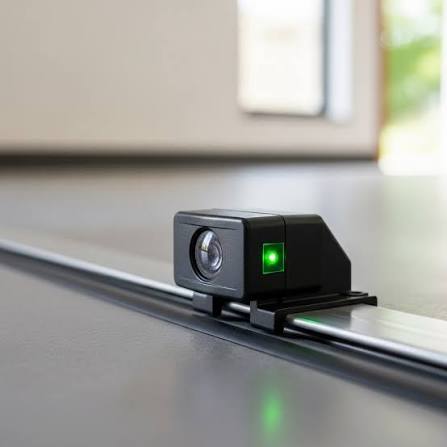
To understand the fix, we first need to understand the technology. Most modern garage doors use safety devices called photo-eye sensors. These are small units installed near the bottom of the door tracks, usually about 6 inches off the ground. One sensor emits an invisible infrared beam, and the other receives it. If the beam is interrupted—by a person, pet, or object—the door stops and reverses to prevent injury.
However, these sensors can be “blinded” by intense sunlight. When the sun shines directly into the receiving sensor’s lens, it floods the detector with more infrared light than it can handle. This overwhelms the sensor, making it think the beam is constantly broken or creating static interference. As a safety precaution, the garage door opener refuses to close.
According to basic principles of optical physics, infrared sensors operate on specific wavelengths. Direct sunlight contains a broad spectrum of infrared radiation that can saturate the receiver’s photodiode. For a deeper technical understanding of how optical sensors interact with ambient light, you can refer to resources on photodetectors.
Key Reasons for Sunlight Interference:
- Direct Beam Saturation: The sun’s rays hit the receiver lens directly, overpowering the emitter’s signal.
- Misalignment: If sensors are slightly off, they become more susceptible to external light noise.
- Dirty Lenses: Dust or spiderwebs on the lens can scatter sunlight, creating false signals.
How to Diagnose Sunlight Sensor Issues
Before you call a technician, you can perform a few simple checks to confirm that sunlight is the culprit.
- Check the Indicator Lights: Look at the LED lights on your sensors. Typically, one has a steady green light (power) and the other has a steady amber or red light (beam received). If the receiving sensor’s light is flickering or off when the sun hits it, you have identified the problem.
- Test at Different Times: Try closing the door early in the morning or late in the evening when the sun is lower. If it closes perfectly then but fails during midday, sunlight is definitely the issue.
- The Cardboard Test: Hold a piece of cardboard or your hand over the receiving sensor to block the sunlight. If the door closes immediately while the sensor is shaded, you have confirmed the diagnosis.
Step-by-Step Fixes for Sun-Blocked Garage Doors
Here are proven methods to resolve this issue, ranging from quick adjustments to permanent solutions.
1. Adjust the Sensor Angle
Sometimes, a slight adjustment is all it takes. Loosen the wing nut or screw holding the sensor bracket. Tilt the receiving sensor slightly downward or away from the direct path of the sun. Even a few degrees can make a huge difference. Tighten the bracket and test the door.
2. Clean the Sensor Lenses
Dirt acts as a diffuser, scattering sunlight into the sensor. Use a soft, dry cloth to gently wipe both the emitting and receiving lenses. Avoid using harsh chemicals that might leave a residue.
3. Install a Sunshade or Hood
This is the most effective long-term solution. You can create a DIY sunshade using a small piece of black plastic or even a section of a PVC pipe cut in half. Attach it above the receiving sensor to block direct overhead sunlight while still allowing the infrared beam to pass through horizontally.
| Solution | Cost | Difficulty | Effectiveness |
|---|---|---|---|
| Cleaning Lenses | $0 | Easy | Low-Medium |
| Realigning Sensors | $0 | Easy | Medium |
| DIY Sunshade | <$5 | Medium | High |
| Professional Shield | $20-$40 | Easy | Very High |
4. Check for Reflective Surfaces
Sometimes, the sun isn’t hitting the sensor directly but is reflecting off a white wall, a car, or a puddle of water into the lens. Identify any reflective surfaces in the path of the sensor and adjust them if possible.
Preventive Measures for Long-Term Reliability
Once you have fixed the immediate issue, take steps to ensure it doesn’t return next summer.
- Upgrade to Shielded Sensors: Some newer garage door openers come with sensors that have built-in hoods or are less susceptible to ambient light. If your system is old, consider upgrading.
- Regular Maintenance Schedule: Make it a habit to clean your sensor lenses once a month. This prevents dust buildup that exacerbates sunlight issues.
- Landscaping Adjustments: If a tree or bush reflects light onto your sensors, consider trimming it. Natural shades can also help block direct afternoon sun.
Common Mistakes to Avoid
When trying to fix this issue, homeowners often make these errors:
- Ignoring the Safety Feature: Never bypass the sensors by holding the wall button down to force the door closed. This disables a critical safety mechanism designed to protect children and pets.
- Over-Tightening Brackets: When adjusting the angle, be gentle. Over-tightening can crack the plastic housing or misalign the internal components.
- Using Opaque Covers: Do not cover the sensor completely. The infrared beam must still pass through. Use a shield that blocks vertical sunlight but allows horizontal transmission.
FAQ Section
Q1: Can I disable the sensors to make the door close?
A: No, you should never permanently disable your garage door sensors. They are a required safety feature. If you bypass them, the door will not reverse if it hits an object, posing a serious risk of injury or damage. Instead, fix the sunlight interference issue.
Q2: Why does my garage door only fail to close in the afternoon?
A: This is due to the angle of the sun. In the afternoon, the sun may be positioned directly in line with your garage opening, shooting straight into the receiver sensor. Morning or evening sun usually hits at an angle that doesn’t interfere with the beam.
Q3: Will replacing the bulbs in my garage help?
A: No, standard garage lighting does not affect the infrared sensors. However, if you have installed high-intensity LED floodlights pointing directly at the sensors, they could potentially cause interference. Ensure any added lighting is not aimed at the sensor eyes.
Q4: How do I know if my sensors are misaligned or just blinded by sun?
A: If the sensors are misaligned, the indicator light on the receiving unit will usually be off or blinking even when it is dark. If the light is steady in the shade but flickers or goes out only in direct sunlight, the issue is solar interference, not alignment.
Q5: Can extreme heat damage the sensors?
A: While extreme heat can affect electronic components over time, the immediate issue of the door not closing is almost always due to light interference, not heat damage. However, prolonged exposure to high temperatures can degrade the plastic housing, so using a sunshade helps protect the hardware as well.
Q6: Is there a specific brand of sensor that is better for sunny climates?
A: Many modern brands like LiftMaster, Chamberlain, and Genie have updated their sensor designs to include better shielding. If you live in a particularly sunny region like Arizona or Florida, look for models advertised with “sunlight resistance” or install aftermarket universal sunshields.
Conclusion
Dealing with a garage door will not close when sun is shining is a frustrating but solvable problem. By understanding how photo-eye sensors work and taking simple steps like cleaning lenses, adjusting angles, or installing a DIY sunshade, you can restore full functionality to your garage door. Remember, these safety features are there to protect your family, so always opt for fixing the interference rather than bypassing the system.
If you found this guide helpful, please share it with your neighbors or on social media. Someone else on your street might be struggling with the same sunny-day garage dilemma! Stay safe and keep your garage secure.
Leave a Reply