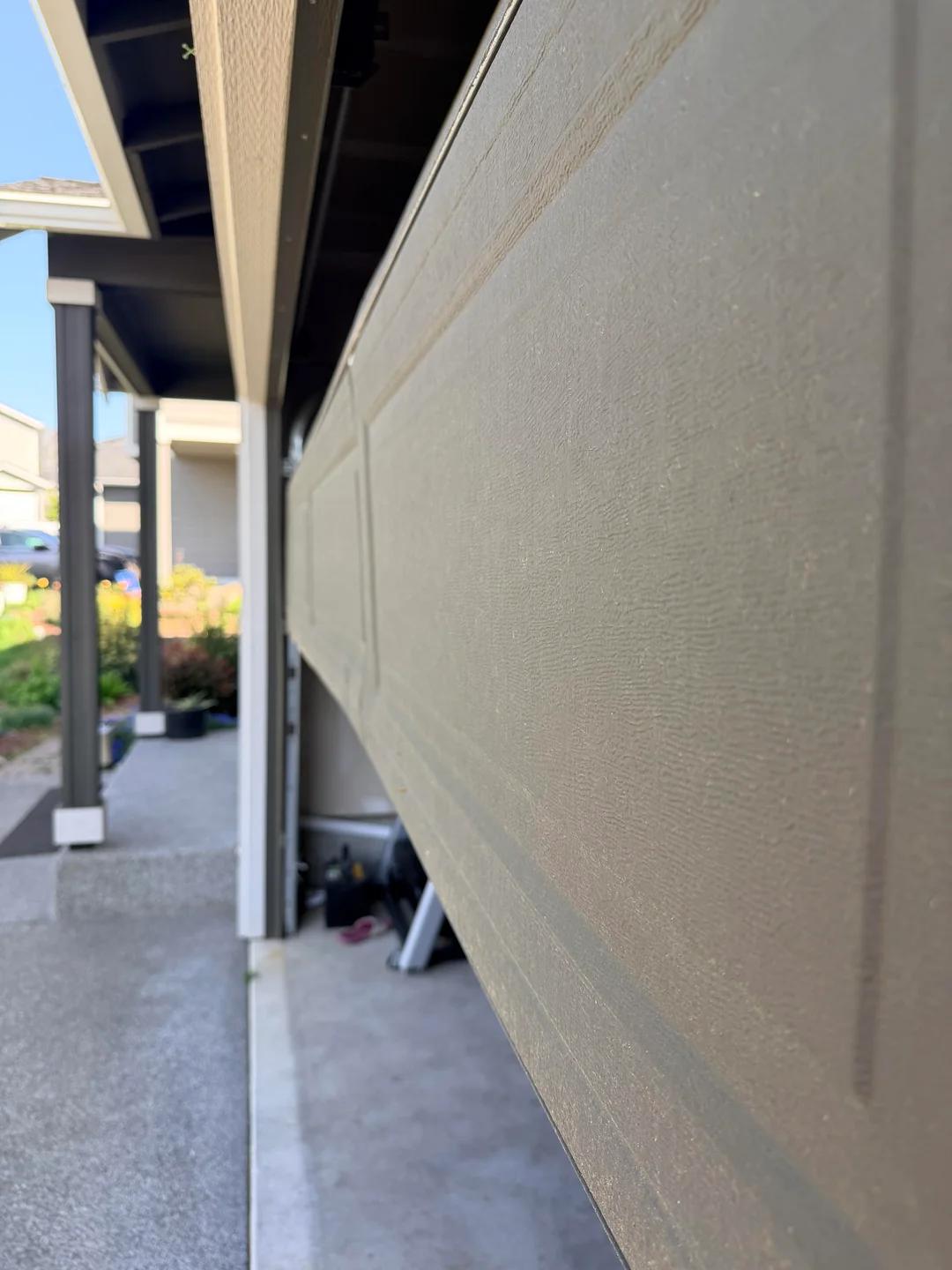
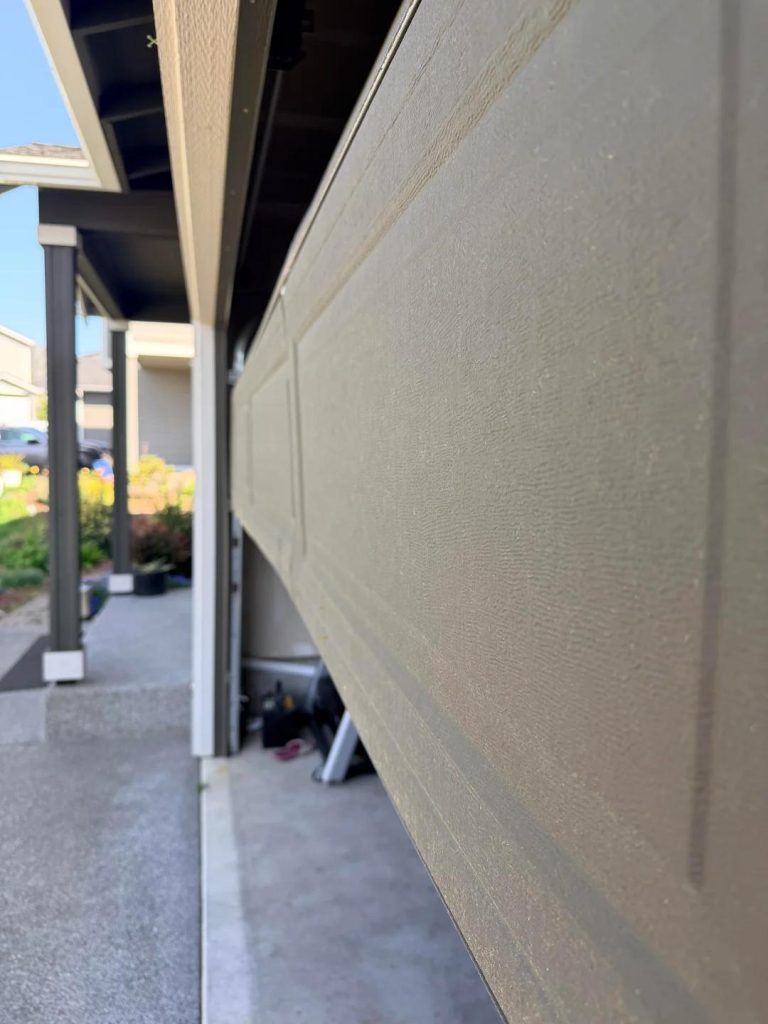
Is your garage door will not close all the way down, leaving you frustrated and concerned about security? You’re not alone—this is one of the most common garage door issues homeowners face. Whether it’s stopping halfway, reversing unexpectedly, or refusing to budge, understanding the root cause can save you time, money, and stress.
In this comprehensive guide, we’ll walk you through everything you need to know about why your garage door won’t close properly and how to fix it step-by-step. From simple DIY solutions to knowing when to call a professional, we’ve got you covered.
Why Won’t My Garage Door Close All the Way?
Before jumping into fixes, it’s essential to understand why your garage door stops before reaching the ground. Several factors could be at play, ranging from minor adjustments to serious mechanical failures.
Common Causes Include:
- Misaligned safety sensors
- Obstructed tracks or rollers
- Incorrect limit settings
- Broken springs or cables
- Remote control or opener malfunctions
According to the International Door Association, nearly 30% of garage door service calls are related to closing issues. Understanding these causes helps you diagnose the problem faster and avoid unnecessary repairs.
How Do I Know If It’s a Sensor Issue?
One of the most frequent reasons a garage door will not close all the way down is due to misaligned or dirty safety sensors. These small devices, located near the bottom of the door tracks, prevent the door from closing if they detect an obstruction.
Signs of Sensor Problems:
- The door starts to close but immediately reverses
- One or both sensor lights are blinking or off
- The door only closes when holding the wall button
Quick Fix: Clean and Align Sensors
- Turn off the power to your garage door opener for safety.
- Wipe the sensor lenses with a soft cloth to remove dust or debris.
- Check alignment: Both sensors should face each other directly. A green light on both indicates proper alignment.
- Test the door after cleaning and realigning.
If the issue persists, consider replacing the sensors or consulting a technician.
Are the Limit Settings Correct?
Garage door openers use “limit settings” to determine how far the door should travel up and down. If these settings are incorrect, your garage door will not close all the way down.
How to Adjust Limit Settings:
- Locate the limit adjustment screws on your opener unit (usually labeled “Up” and “Down”).
- Use a screwdriver to turn the “Down” limit screw slightly clockwise to increase downward travel.
- Test the door after each small adjustment.
- Stop adjusting once the door closes fully without forcing itself into the ground.
⚠️ Warning: Over-adjusting can damage the door or opener. Make small changes and test frequently.
Could Something Be Blocking the Tracks?
Even a small object in the track can prevent your garage door from closing completely. Debris like leaves, rocks, or even ice buildup during winter can obstruct movement.
Steps to Clear Track Obstructions:
- Visually inspect both vertical and horizontal tracks.
- Remove any visible debris using gloves and a brush.
- Check rollers for wear or damage.
- Lubricate moving parts with silicone-based lubricant (avoid WD-40).
Regular maintenance every 6 months can prevent future blockages and extend the life of your garage door system.
When Should I Call a Professional?
While many issues can be resolved with basic troubleshooting, some problems require expert attention. Here’s when to call a licensed technician:
| Situation | Action |
|---|---|
| Broken spring or cable | ❗ Do NOT attempt DIY repair – high risk of injury |
| Motor makes unusual noises | ✅ Schedule inspection |
| Door still won’t close after adjustments | ✅ Contact professional |
| Frequent reversal without obvious cause | ✅ Diagnose electrical or mechanical fault |
Springs, in particular, are under extreme tension and can cause severe injury if handled incorrectly. Always prioritize safety over cost-saving attempts.
Can Weather Affect Garage Door Closure?
Yes! Extreme temperatures, humidity, and weather conditions can impact your garage door’s performance. For example:
- Cold weather can cause metal components to contract, affecting alignment.
- Humidity may lead to swelling wooden doors, making them stick.
- Ice buildup on tracks can physically block movement.
To mitigate weather-related issues:
- Insulate your garage if possible
- Apply weatherstripping around the door frame
- Regularly clean and lubricate moving parts
FAQ Section
Q: Why does my garage door reverse before hitting the ground?
A: This is often caused by misaligned safety sensors or excessive force settings. Check sensor alignment first, then adjust the force settings on your opener if needed.
Q: How do I reset my garage door opener?
A: Most openers have a reset button or procedure outlined in the manual. Typically, you’ll press and hold the learn button until the indicator light blinks, then reprogram remotes.
Q: Can a weak remote battery cause closure issues?
A: Yes. Weak batteries can send inconsistent signals, causing erratic behavior. Replace batteries annually or when response becomes sluggish.
Q: Is it safe to manually close a malfunctioning garage door?
A: Only if the door moves smoothly and there’s no sign of broken springs or cables. Never force a door that feels heavy or stuck.
Q: How often should I maintain my garage door?
A: Experts recommend biannual inspections and lubrication. Annual professional servicing ensures optimal performance and longevity.
Q: What type of lubricant is best for garage doors?
A: Silicone-based or lithium grease sprays work best. Avoid oil-based products as they attract dirt and gum up over time.
Final Thoughts
Dealing with a garage door will not close all the way down doesn’t have to be stressful. By understanding common causes and applying simple fixes, you can restore functionality quickly and safely. Remember to prioritize regular maintenance and know when to seek professional help.
If this guide helped you solve your garage door issue, share it with friends or neighbors who might benefit. And don’t forget to subscribe for more home maintenance tips delivered straight to your inbox!
Stay safe, stay informed, and keep your garage door running smoothly year-round.
Leave a Reply