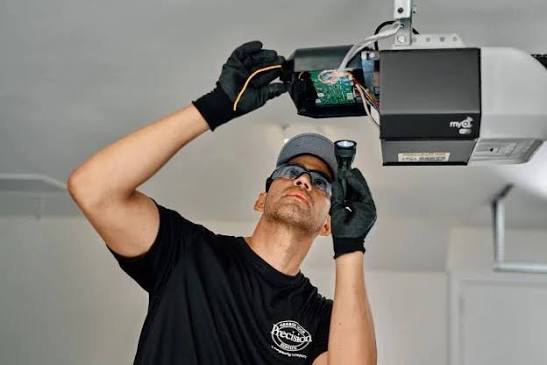
Is your garage refusing to shut properly, forcing you to stand there awkwardly holding the wall button until it finally closes? You are not alone. This is one of the most common yet frustrating issues homeowners face, often signaling that your garage door opener will not close unless hold button down due to a triggered safety mechanism or a minor mechanical fault.
Understanding why this happens is the first step toward a quick fix. In most cases, your garage door opener is actually doing its job correctly by preventing the door from closing when it detects a potential hazard. However, when sensors are misaligned, dirty, or obstructed, they can send false signals that halt the door’s movement. This guide will walk you through the exact steps to diagnose and resolve this issue safely and effectively, saving you time and money on unnecessary service calls.
Why Does My Garage Door Only Close When I Hold the Button?
Before diving into repairs, it is crucial to understand the “why.” Modern garage door openers are equipped with mandatory safety features designed to prevent injury and property damage. The most prominent of these is the photo-eye sensor system, introduced in the United States in 1993 following federal safety regulations.
When you press the close button, the opener sends a signal to lower the door. Simultaneously, it checks the status of the safety sensors located near the floor on both sides of the door track. If the beam between these sensors is interrupted—or if the opener thinks it is interrupted—it will immediately stop and reverse the door. Holding the button down overrides this safety feature temporarily, allowing the door to close despite the error signal.
According to the Consumer Product Safety Commission, automatic reverse mechanisms are critical for preventing entrapment accidents, particularly involving children and pets. Therefore, bypassing this feature should only be done for diagnostic purposes, not as a permanent solution.
Check and Clean the Safety Sensors
The number one culprit behind a garage door that won’t close is misaligned or dirty safety sensors. These small devices, usually mounted 6 inches above the ground on either side of the door, emit an invisible infrared beam. If anything blocks this beam, the door will not close.
Step-by-Step Sensor Inspection:
- Visual Inspection: Look at the sensors. Most have LED lights. Typically, one sensor has a green light (power) and the other has an amber or red light (beam alignment). If the receiving sensor’s light is blinking or off, the beam is broken.
- Clean the Lenses: Use a soft, dry cloth to wipe the lens of both sensors. Dust, spider webs, or mud can easily obstruct the infrared signal. Avoid using harsh chemicals that might leave a residue.
- Check for Obstructions: Ensure no boxes, bikes, or trash cans are blocking the path between the two sensors. Even a thin layer of snow or ice in winter can break the beam.
- Verify Alignment: The sensors must face each other directly. If they have been bumped by a car or kicked by a pet, they may be pointing slightly away from each other. Loosen the wing nut, adjust the bracket until the lights stabilize, and tighten it back.
| Sensor Status | Likely Issue | Quick Fix |
|---|---|---|
| Green Light On (Sending) | Power is good | Check receiving sensor |
| Red/Amber Light Blinking | Beam misaligned | Realign brackets |
| No Lights On Either Side | Power failure | Check wiring/outlet |
| Solid Lights on Both | Beam aligned | Check for dirt/obstruction |
Inspect the Track and Rollers for Obstructions
If your sensors are clean and aligned, the next place to look is the physical path of the door. Garage doors are heavy, and even a minor obstruction in the track can trigger the opener’s force sensitivity settings, causing it to reverse.
Walk along the inside of the garage and inspect the metal tracks on both sides. Look for dents, bends, or debris such as leaves, nails, or hardened grease. Use a flashlight to get a better view of the upper sections of the track.
Next, check the rollers. Are they cracked, chipped, or stuck? If a roller is damaged, it can catch on the track, creating resistance that the opener interprets as an obstacle. Lubricating the rollers and hinges with a silicone-based lubricant (not WD-40, which attracts dust) can often resolve minor sticking issues.
Adjust the Force and Travel Limits
Garage door openers have two key adjustment screws: one for force (how much power is used to move the door) and one for travel limits (how far the door opens and closes). Over time, these settings can drift, or seasonal changes in temperature can affect the door’s weight and balance.
If the force setting is too low, the opener may not have enough power to push the door all the way down, especially if there is slight friction in the tracks. Conversely, if the travel limit is set incorrectly, the door may think it has hit the floor before it actually has, causing it to reverse.
How to Adjust:
- Locate the adjustment screws on the motor unit (refer to your manual for specific locations).
- Turn the force adjustment screw in small increments (usually clockwise to increase force).
- Test the door after each adjustment. Caution: Do not set the force too high, as this can defeat the safety reverse feature. The door should still reverse if it hits a solid object like a 2×4 piece of wood placed on the floor.
Examine the Wall Control and Remote Batteries
Sometimes, the issue is not with the door itself but with the signal being sent. Weak batteries in your remote control can cause intermittent signals, leading to erratic behavior. Replace the batteries in all remotes and keypad entries.
Additionally, check the wall control button. If the button is sticky or worn out, it may not be making proper contact. Try pressing it firmly and consistently. If the problem persists only with the remote but not the wall button, the issue is likely with the remote’s battery or programming.
When to Call a Professional Garage Door Technician
While many issues can be resolved with DIY troubleshooting, some situations require professional expertise. Garage doors are under high tension, and the springs, in particular, can be dangerous if handled incorrectly.
Call a professional if:
- The door makes loud grinding or scraping noises.
- The cables appear frayed, loose, or detached.
- The springs are broken or visibly damaged.
- You have adjusted the force and sensors, but the door still reverses randomly.
- The opener motor hums but the door does not move.
A certified technician can perform a comprehensive safety inspection, balance the door properly, and ensure all components are functioning within manufacturer specifications. According to industry standards, a garage door should be serviced annually to maintain optimal performance and safety.
FAQ Section
Q1: Is it safe to keep holding the button to close the door?
A: No, it is not safe for long-term use. Holding the button bypasses the safety sensors, meaning the door will not reverse if it encounters an obstacle, such as a child, pet, or vehicle. This poses a significant risk of injury or damage. You should identify and fix the underlying cause immediately.
Q2: Why did my garage door start doing this suddenly?
A: Sudden issues are often caused by environmental factors. A spider web across the sensor, a shift in the sensor bracket due to wind or vibration, or a temporary power surge can disrupt the system. Start by cleaning the sensors and checking for visible obstructions.
Q3: Can weather affect my garage door’s ability to close?
A: Yes. Extreme temperatures can cause metal tracks to expand or contract, affecting alignment. Humidity can cause wooden doors to swell, increasing friction. In winter, ice buildup on the sensors or tracks can also block the beam or hinder movement.
Q4: How do I know if my sensors are misaligned?
A: Most sensors have indicator lights. If the receiving sensor’s light is blinking or off while the sending sensor’s light is on, they are misaligned. You can also test this by placing an object in the beam’s path while trying to close the door; if the door does not reverse, the sensors are not working correctly.
Q5: What should I do if the door reverses before hitting the floor?
A: This is likely a travel limit issue. Adjust the “down” travel limit screw on the motor unit in small increments. Test the door after each adjustment until it closes fully without reversing. If it still reverses, check for friction in the tracks or worn rollers.
Q6: How often should I maintain my garage door opener?
A: It is recommended to perform a basic visual inspection and lubrication every six months. A professional tune-up should be conducted annually to check spring tension, cable integrity, and safety sensor functionality.
Conclusion
Dealing with a garage door opener will not close unless hold button down is a common hassle, but it is rarely a catastrophic failure. By systematically checking your safety sensors, clearing track obstructions, and adjusting force settings, you can often resolve the issue yourself in under an hour. Remember, these safety features are there to protect your family, so never ignore them or bypass them permanently.
If you found this guide helpful, please share it with your neighbors or on social media to help others troubleshoot their garage door woes. A well-maintained garage door is a safe garage door
Leave a Reply