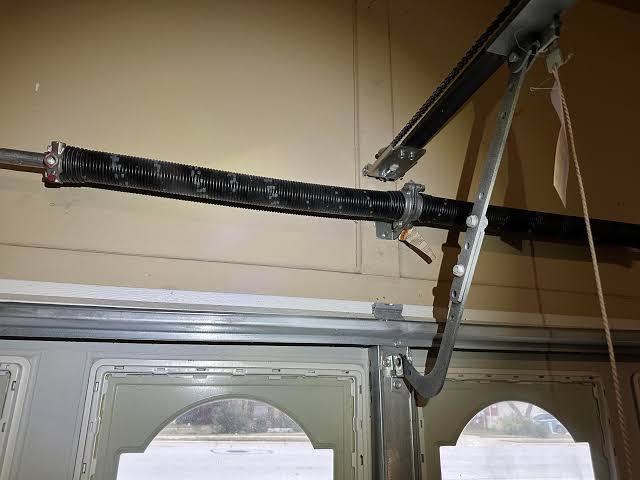
Is your garage door only opens a few inches then stops, leaving you stranded and frustrated? You’re not alone—this is one of the most common garage door issues homeowners face. The good news? Most causes are simple to diagnose and fix, even if you’re not particularly handy. Let’s get your garage door back to smooth operation.
Why Does My Garage Door Only Open Slightly Before Stopping?
When your garage door only opens a few inches and then halts, it’s typically responding to a safety mechanism or encountering an obstruction. Modern garage doors are equipped with multiple safety features designed to prevent injury and damage. Understanding these mechanisms is the first step toward solving the problem.
According to the International Door Association, over 30,000 garage door-related injuries occur annually in the United States, which is why manufacturers have implemented strict safety standards. Your door stopping after opening just a few inches is often its way of protecting you.
The most common culprits include:
- Misaligned or dirty safety sensors
- Obstructed tracks or rollers
- Incorrect travel limit settings
- Broken springs or cables
- Motor or opener malfunctions
Check Your Safety Sensors First
Safety sensors are the #1 cause of garage doors that stop after opening slightly. These infrared beams, located near the floor on both sides of your garage door, must align perfectly for the door to operate normally.
How to Inspect and Clean Your Sensors:
- Locate the sensors – They’re small boxes mounted 4-6 inches above the ground on each side of the door
- Check the indicator lights – Most sensors have LED lights; a steady green light means proper alignment, while a blinking or amber light indicates a problem
- Clean the lens – Use a soft, dry cloth to wipe away dust, spider webs, or debris
- Verify alignment – Both sensors should point directly at each other; adjust if necessary
- Remove obstructions – Ensure nothing blocks the beam path between sensors
Pro Tip: If cleaning doesn’t work, try disconnecting the sensors temporarily (consult your manual) to see if the door operates normally. If it does, you’ve confirmed a sensor issue.
Inspect the Tracks and Rollers
Dirty, bent, or obstructed tracks can cause your garage door to stop prematurely. The rollers need a clear, smooth path to travel along.
Track Inspection Checklist:
| Issue | Solution | Difficulty Level |
|---|---|---|
| Dirt/debris buildup | Clean with damp cloth and mild detergent | Easy |
| Minor bends | Gently tap back into place with rubber mallet | Moderate |
| Severe damage | Replace track section or call professional | Hard |
| Loose brackets | Tighten with appropriate wrench | Easy |
| Worn rollers | Replace with nylon or steel rollers | Moderate |
Warning: Never attempt to straighten severely bent tracks yourself. This requires professional tools and expertise to avoid further damage or safety hazards.
Adjust the Travel Limit Settings
Your garage door opener has “travel limits” that tell it how far to open and close. If these settings are incorrect, your door may stop after opening only a few inches.
Step-by-Step Adjustment Guide:
- Locate the adjustment screws – Usually found on the motor unit, labeled “Up” and “Down” or “Open” and “Close”
- Identify the correct screw – Look for the one controlling upward travel
- Make small adjustments – Turn the screw ¼ turn clockwise to increase opening distance
- Test the door – Operate the door after each adjustment
- Repeat as needed – Continue until the door opens fully
Important: Refer to your specific opener’s manual, as adjustment methods vary by brand and model. Over-adjusting can cause the door to hit the ceiling or strain the motor.
Examine Springs and Cables for Damage
Broken or worn springs are dangerous and require immediate attention. Never attempt to repair garage door springs yourself—they store enormous tension and can cause serious injury if handled improperly.
Signs of Spring Problems:
- Visible gaps in extension springs
- Sagging or uneven door movement
- Loud snapping noises during operation
- Door feels unusually heavy when lifting manually
- Cables appear frayed or loose
If you suspect spring or cable issues, contact a licensed garage door technician immediately. The average cost for spring replacement ranges from $150-$350, depending on your door type and location.
Test the Manual Release and Door Balance
A properly balanced garage door should stay in place when lifted halfway. If it falls or rises on its own, the balance is off, which can cause erratic behavior.
Balance Test Procedure:
- Disconnect the opener using the emergency release cord
- Lift the door manually to approximately halfway
- Release it carefully
- Observe the result:
- Stays in place = Good balance
- Falls down = Springs need adjustment/replacement
- Rises up = Springs are too tight
An unbalanced door puts excessive strain on the opener and can trigger safety mechanisms that cause premature stopping.
When Should You Call a Professional?
While many garage door issues are DIY-friendly, some situations demand expert assistance:
Call a professional if:
- Springs are broken or damaged
- Cables are frayed or snapped
- The door makes grinding or screeching noises
- Multiple troubleshooting steps haven’t resolved the issue
- You’re uncomfortable working with mechanical components
- The opener motor smells burnt or shows signs of electrical damage
According to HomeAdvisor, the average cost for professional garage door repair ranges from $150-$400, while complete opener replacement costs $300-$800 installed.
Frequently Asked Questions
Q: Can weather affect my garage door’s operation?
A: Yes, extreme temperatures can impact garage door performance. Cold weather can cause metal components to contract, affecting sensor alignment and track clearance. Hot weather may cause expansion issues. Additionally, humidity can lead to rust and corrosion on moving parts. Regular lubrication and seasonal maintenance help mitigate weather-related problems.
Q: How often should I maintain my garage door?
A: Perform basic maintenance every 3-6 months, including:
- Cleaning and inspecting sensors
- Lubricating rollers, hinges, and springs with silicone-based lubricant
- Checking track alignment
- Testing safety reversal features
- Inspecting cables and springs for wear
Annual professional inspections are recommended to catch potential issues early.
Q: Will resetting my garage door opener fix the problem?
A: Resetting the opener can resolve certain electronic glitches, but it won’t fix mechanical issues like misaligned sensors or broken springs. To reset your opener, locate the “Learn” or “Program” button on the motor unit, press and hold it for 10 seconds until the indicator light blinks, then reprogram your remote controls. Consult your manual for model-specific instructions.
Q: Is it safe to use my garage door if it keeps stopping?
A: No, continued use of a malfunctioning garage door is unsafe. The door may fall unexpectedly, trap vehicles or people, or cause further damage to the opener system. Disable the automatic opener and use the manual release until repairs are completed. If the door is severely unbalanced or springs are damaged, avoid using it entirely until a professional assesses it.
Q: How long do garage door openers typically last?
A: Most garage door openers last 10-15 years with proper maintenance. Chain-drive models tend to last longer but are noisier, while belt-drive models are quieter but may have slightly shorter lifespans. Signs your opener needs replacement include frequent malfunctions, excessive noise, slow operation, and inability to find replacement parts.
Q: Can smart garage door openers help prevent this issue?
A: Smart openers offer diagnostic features that can alert you to potential problems before they become serious. Many models provide real-time status updates, usage history, and maintenance reminders through smartphone apps. While they don’t prevent mechanical failures, they enable proactive maintenance and faster troubleshooting. Popular brands include Chamberlain myQ, LiftMaster, and Genie Aladdin Connect.
Conclusion
Dealing with a garage door only opens a few inches then stops is frustrating, but now you have the knowledge to tackle most common causes. Start with the simplest solutions—cleaning sensors and checking for obstructions—before moving to more complex adjustments. Remember, safety always comes first; when in doubt, call a professional.
Did this guide help you fix your garage door? Share it with friends and family who might be experiencing similar issues! Follow us on social media for more home maintenance tips and troubleshooting guides.
Stay safe, stay informed, and keep that garage door running smoothly!
Leave a Reply