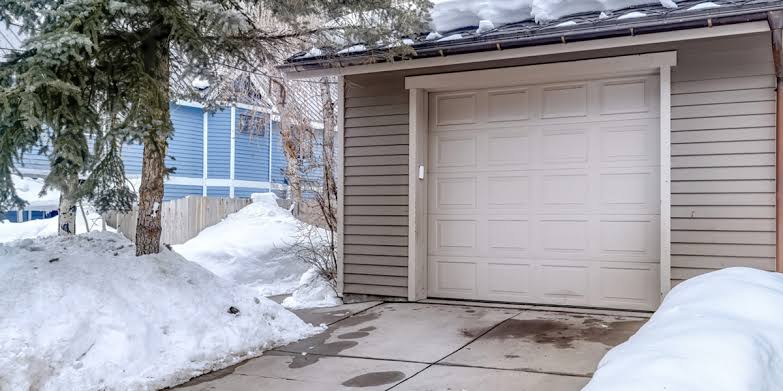
Have you ever pressed your garage door opener on a freezing morning, only to watch it struggle, stutter, or stop halfway up? It is a frustrating and potentially dangerous situation that many homeowners face when temperatures drop. If you are dealing with a garage door not opening all the way in cold weather, you are not alone, and there are specific, proven reasons why this happens.
In this guide, we will break down exactly why the cold affects your garage door mechanics and provide step-by-step solutions to get it working again. We will also share professional maintenance tips to prevent this issue from recurring, ensuring your home remains secure and accessible throughout the winter season.
Why Does Cold Weather Affect Garage Door Operation?
Before we dive into fixes, it is essential to understand the physics behind the problem. Garage doors are large, heavy mechanical systems made of metal, rubber, and plastic. When the temperature drops, these materials react differently, leading to operational failures.
Metal Contraction and Friction
Metal contracts in cold weather. This slight shrinkage can cause tight fits between rollers and tracks, increasing friction. According to basic thermodynamics, materials lose kinetic energy as they cool, making them less flexible and more prone to binding. If your tracks are already slightly misaligned, the contraction can make the difference between smooth operation and a complete jam.
Lubricant Thickening
Most standard garage door lubricants are petroleum-based. In freezing temperatures, these lubricants can thicken into a gel-like substance. Instead of reducing friction, this thickened grease acts as glue, resisting the movement of springs, hinges, and rollers. This forces the opener motor to work harder, often triggering its safety sensors to stop the door before it reaches the fully open position.
Sensor Misalignment
Cold weather can also affect the electronic eyes (safety sensors) at the bottom of your door tracks. If ice or frost builds up on the lenses, or if the cold causes the brackets holding them to shift slightly, the beam may be interrupted. The door interprets this as an obstruction and refuses to close or open fully for safety reasons.
Immediate Fixes: How to Get Your Door Moving Again
If your garage door not opening all the way in cold weather is an immediate problem, follow these steps carefully. Always prioritize safety; if the door feels excessively heavy or makes loud banging noises, stop and call a professional.
Step 1: Clear Ice and Snow
Inspect the bottom seal of the door and the tracks. Ice buildup here can physically block the door’s path.
- Use a plastic shovel or brush to gently remove snow from the threshold.
- Check for ice on the safety sensor lenses. Wipe them clean with a soft, dry cloth.
Step 2: Check the Manual Release
Locate the red emergency release cord hanging from the opener rail. Pulling this disengages the motor, allowing you to operate the door manually.
- Try lifting the door by hand. If it lifts smoothly, the issue is likely with the opener’s motor or settings.
- If it is extremely heavy or stuck, the problem is mechanical (springs or tracks). Do not force it.
Step 3: Adjust the Limit Settings
If the door moves but stops short of the top, the “up limit” setting on your opener may need adjustment.
- Locate the limit screws on your garage door opener unit (usually labeled “Up” and “Down”).
- Turn the “Up” limit screw slightly (usually clockwise) to increase the travel distance.
- Test the door. Make small adjustments—turning it too much can cause the door to strain against the header.
Step 4: Apply Cold-Weather Lubricant
If the door is stiff, you need to replace the thickened lubricant.
- Use a silicone-based or lithium-based spray lubricant designed for extreme temperatures.
- Apply it to the rollers, hinges, and spring coils. Avoid using WD-40 as a long-term lubricant, as it attracts dust and dries out quickly.
Preventive Maintenance for Winter Success
Prevention is always cheaper than repair. By taking proactive steps before the first freeze, you can avoid the hassle of a garage door not opening all the way in cold weather.
| Maintenance Task | Frequency | Benefit |
|---|---|---|
| Lubricate Moving Parts | Every 6 months (Oct & Apr) | Prevents friction and motor strain |
| Inspect Weather Stripping | Annually | Keeps cold air out and prevents ice buildup |
| Check Track Alignment | Annually | Ensures smooth roller movement |
| Test Safety Sensors | Monthly | Prevents false obstructions |
Upgrade Your Lubricant
Switch to a synthetic lubricant rated for temperatures below -20°F (-29°C). These formulas remain fluid in extreme cold, ensuring your springs and rollers move freely. Look for products labeled “white lithium grease” or “silicone spray” with a low viscosity rating.
Insulate Your Garage
Keeping the garage warmer helps maintain the flexibility of your door components. Adding insulation to your garage door and sealing gaps around windows and walls can raise the internal temperature by several degrees. This simple step reduces the thermal shock to your door system.
For more detailed information on how thermal expansion and contraction affect building materials, you can refer to Wikipedia’s article on Thermal Expansion. Understanding this scientific principle helps explain why even high-quality doors require seasonal adjustments.
When to Call a Professional
While many issues can be resolved with DIY methods, some problems require expert attention. Attempting to fix these yourself can be dangerous due to the high tension involved in garage door springs.
- Broken Springs: If you hear a loud bang and the door becomes impossible to lift, a spring has likely broken. Torsion springs store immense energy and can cause severe injury if handled incorrectly.
- Bent Tracks: If the metal tracks are visibly dented or bent, they need professional realignment or replacement.
- Motor Failure: If the motor hums but does not move, or if it smells like burning, the internal gears may be stripped.
FAQ: Common Questions About Cold Weather Garage Door Issues
1. Why does my garage door reverse before hitting the floor in winter?
This is usually due to the force setting being too low. As lubricants thicken, the door encounters more resistance. The opener senses this resistance as an obstruction and reverses for safety. You can adjust the “force” or “down force” settings on your opener unit to compensate for the increased friction.
2. Can I use regular WD-40 on my garage door in winter?
No. While WD-40 is great for cleaning and displacing moisture, it is not a long-term lubricant. In cold weather, it can evaporate quickly or attract dirt, leading to more friction. Use a dedicated silicone or lithium-based garage door lubricant instead.
3. How do I know if my garage door sensors are affected by cold?
Look for blinking lights on the sensor units. If the LED light is off or flickering, check for ice, snow, or condensation on the lenses. Also, ensure the brackets haven’t shifted due to wind or ice weight. Aligning them so they face each other directly usually resolves the issue.
4. Is it normal for my garage door to make more noise in the cold?
Yes, some increase in noise is normal due to metal contraction and thicker lubrication. However, loud grinding, screeching, or popping sounds indicate a problem. If the noise is excessive, inspect the rollers and tracks for damage or lack of lubrication.
5. Will installing a new garage door solve cold weather issues?
Newer doors often come with better insulation and higher-quality hardware that resists temperature changes. However, even new doors require regular maintenance. Upgrading to a door with polyurethane foam insulation can significantly reduce the impact of cold weather on operation.
6. How often should I service my garage door?
It is recommended to have a professional tune-up once a year, ideally in the fall before winter sets in. This ensures all parts are lubricated, aligned, and functioning correctly before the stress of cold weather arrives.
Conclusion
Dealing with a garage door not opening all the way in cold weather is a common but solvable problem. By understanding how cold affects metal and lubricants, you can take proactive steps to keep your door running smoothly. Regular maintenance, such as switching to cold-weather lubricants and clearing ice from sensors, can prevent most winter-related issues.
Remember, safety comes first. If you are unsure about adjusting springs or tracks, always consult a certified technician. A well-maintained garage door not only provides convenience but also enhances the security and energy efficiency of your home.
Did you find these tips helpful? Share this article with friends and neighbors who might be struggling with their garage doors this winter. Stay warm and keep your home accessible!
Leave a Reply