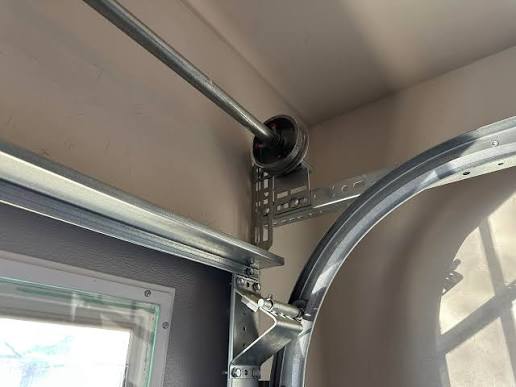
Is there anything more frustrating than watching your garage door start to close, only to reverse direction after moving just a few inches? You press the button, hope for the best, and watch it garage door goes down a foot then back up repeatedly. This annoying cycle not only wastes your time but can also leave your vehicle exposed to the elements or compromise your home’s security.
You are not alone in this struggle. Thousands of homeowners face this issue every day, often mistaking it for a major mechanical failure when it is usually a simple safety feature doing its job—perhaps too well. In this comprehensive guide, we will walk you through exactly why this happens and how to fix it quickly, safely, and without breaking the bank.
Why Does My Garage Door Reverse After Closing Partially?
Before you call an expensive technician, it is crucial to understand the “why.” Modern garage doors are equipped with mandatory safety mechanisms designed to prevent injury or damage. When your garage door goes down a foot then back up, it is almost always triggering one of these two systems:
- The Photo-Eye Sensors: These are the small eyes near the floor on either side of the door track. If they detect an obstruction—or if they simply think they see one—they signal the opener to reverse immediately.
- The Force Limit Settings: If the door encounters resistance (like sticky tracks or tight rollers) that exceeds the programmed force limit, the motor assumes it has hit an object and reverses to prevent crushing it.
According to the U.S. Consumer Product Safety Commission, garage door openers manufactured after 1993 must include these external entrapment protection devices. Understanding this regulatory background helps you realize that your door isn’t broken; it’s being overly cautious. For more details on safety standards, you can refer to Wikipedia’s overview of garage door openers.
Check and Clean the Safety Sensors First
The most common culprit behind the garage door goes down a foot then back up scenario is misaligned or dirty photo-eye sensors. These small devices sit about six inches off the ground on both sides of the door opening.
Step-by-Step Sensor Troubleshooting
- Inspect the LED Lights: Look at the sensors. One should have a steady green light (power), and the other should have a steady amber or red light (alignment). If the light is blinking or off, they are misaligned.
- Clean the Lenses: Use a soft, dry microfiber cloth to wipe away dust, spiderwebs, or mud. Even a thin layer of grime can block the infrared beam.
- Check Alignment: Stand behind the sensors and look down the track. They must be pointing directly at each other. If one is tilted even slightly, the beam breaks, causing the door to reverse.
- Tighten the Brackets: Sometimes, vibrations from the door’s movement loosen the wing nuts holding the sensors. Gently tighten them by hand until the lights stay steady.
Pro Tip: If the sun is shining directly into the sensor lens during the day, it can blind the receiver. Try closing the door at different times of the day to see if the problem persists only in bright sunlight.
Adjust the Travel Limits and Force Settings
If your sensors are clean and aligned but the garage door goes down a foot then back up, the issue likely lies in the opener’s internal settings. Over time, changes in temperature and humidity can affect the tension of the springs and the smoothness of the rollers, requiring an adjustment in force.
How to Adjust Force Settings
Most modern openers have two dials or digital settings labeled “Open Force” and “Close Force,” or sometimes just “Up” and “Down.”
- Locate the Adjustment Screels: On older models, these are small plastic screws on the back or side of the motor unit. On newer smart openers, you may need to use a mobile app or a control panel on the wall.
- Increase Close Force Slightly: Turn the “Close” or “Down” adjustment screw clockwise in small increments (about 1/8th of a turn). Do not over-tighten, as this can be dangerous.
- Test the Door: Press the close button. If it still reverses, increase the force slightly again. If it closes but struggles, you may have gone too far.
Warning: Never adjust the force so high that the door does not reverse when it hits a solid object like a 2×4 piece of wood placed on the floor. Safety must always come first.
Inspect the Tracks and Rollers for Obstructions
Sometimes, the door isn’t reversing because of a sensor error, but because it physically cannot move smoothly. If the garage door goes down a foot then back up, check for physical resistance.
| Component | What to Look For | Quick Fix |
|---|---|---|
| Tracks | Dents, bends, or debris inside the channel. | Remove debris with a brush; hammer out minor dents carefully. |
| Rollers | Cracks, chips, or excessive wear. | Replace nylon rollers with steel ones for durability. |
| Hinges | Loose screws or rusted joints. | Tighten all hinge bolts; apply lubricant to moving parts. |
A single bent track section can create enough friction to trigger the force limit sensor. Run your hand along the track (with the door disconnected from power) to feel for any irregularities.
Lubricate Moving Parts to Reduce Friction
Friction is the silent killer of garage door efficiency. When parts are dry, the motor has to work harder, which can cause it to overheat or trigger the safety reversal mechanism. If your garage door goes down a foot then back up, a simple lubrication session might solve it.
What to Lubricate:
- Roller stems
- Hinge points
- Spring coils (do not stretch them)
- Lock assembly
What NOT to Use: Avoid using WD-40 as a long-term lubricant. While it cleans well, it attracts dust and dries out quickly. Instead, use a silicone-based spray or lithium grease specifically designed for garage doors. Apply a small amount to each point and operate the door up and down twice to distribute it evenly.
When to Call a Professional Technician
While many issues causing the garage door goes down a foot then back up problem are DIY-friendly, some situations require expert attention. You should call a professional if:
- The springs are broken or appear stretched out. Never attempt to repair torsion springs yourself; they are under extreme tension and can cause serious injury.
- The cables are frayed or loose.
- The motor makes grinding noises but the door doesn’t move.
- You have adjusted the force limits multiple times with no improvement.
A certified technician can diagnose deeper electrical issues within the logic board of the opener that are not visible to the naked eye.
FAQ Section
Q1: Why does my garage door close fine at night but reverses during the day?
This is a classic sign of solar interference. Direct sunlight can overwhelm the infrared receiver on the photo-eye sensor. Try shading the sensors with a small piece of cardboard or adjusting their angle slightly to block direct sun.
Q2: Can weather affect my garage door’s ability to close?
Yes. Extreme cold can make metal tracks contract and lubricants thicken, increasing friction. Humidity can cause wooden doors to swell. If your garage door goes down a foot then back up only in winter, consider switching to a cold-weather lubricant.
Q3: How do I know if my sensors are bad or just misaligned?
If cleaning and realigning them doesn’t stop the blinking light, they may be faulty. You can test this by swapping the wires at the motor head (if accessible) or using a multimeter to check for continuity. If one sensor has no power, it may need replacement.
Q4: Is it safe to bypass the sensors to close the door?
Most openers have a “hold-to-close” feature that allows you to bypass sensors by holding the wall button. However, this should only be used temporarily in emergencies. Never disable the sensors permanently, as it violates safety codes and puts your family at risk.
Q5: Why does the door reverse immediately after touching the floor?
This indicates your “down limit” setting is incorrect. The door thinks it hasn’t reached the floor yet, so it keeps pushing, encounters resistance, and reverses. Adjust the down limit screw so the door stops gently on the floor without pressing hard against it.
Conclusion
Dealing with a garage door goes down a foot then back up issue is stressful, but it is rarely a catastrophe. In most cases, a quick clean of the sensors, a slight adjustment of the force settings, or some basic lubrication will restore your door to normal operation. By understanding how these safety features work, you can save money on unnecessary service calls and keep your home secure.
Remember, regular maintenance is key. Spend 15 minutes every six months checking your tracks, sensors, and lubrication levels. If you found this guide helpful, please share it with your neighbors or on social media to help others troubleshoot their garage door woes. Stay safe, and keep those doors moving smoothly!
Leave a Reply