Is your garage door leaving an unsightly—and potentially dangerous—gap on just one side? You’re not alone. Thousands of homeowners face this frustrating issue every year, wondering how to fix gap on one side of garage door without calling an expensive technician. The good news? Most single-sided gaps can be resolved with simple adjustments you can do yourself in under an hour.
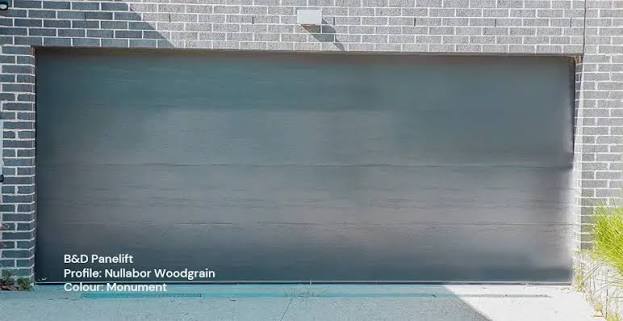
A uneven gap doesn’t just look bad—it compromises your home’s security, allows pests and drafts inside, and can even damage your garage door opener over time. In this comprehensive guide, we’ll walk you through exactly why this happens and provide clear, actionable steps to restore your garage door’s perfect alignment.
Why Does My Garage Door Have a Gap on Only One Side?
Before jumping into fixes, it’s crucial to understand the root cause. Garage doors are precision-engineered systems, and even minor misalignments can create visible gaps. Here are the most common reasons for one-sided gaps:
1. Loose or Worn Hardware
Over time, the bolts, brackets, and hinges that hold your garage door tracks in place can loosen due to vibration from daily use. When hardware on one side becomes loose, that side of the door may shift inward or outward, creating an uneven gap.
2. Bent or Misaligned Tracks
The vertical and horizontal tracks guide your garage door’s movement. If one track is bent, dented, or improperly aligned, the door won’t sit flush against the frame on that side. This is especially common after accidental impacts from vehicles or stored items.
3. Broken or Stretched Cables
Garage doors use tension cables to balance the weight of the door. If one cable stretches, frays, or breaks, it creates uneven tension, causing one side of the door to hang lower or sit further from the frame than the other.
4. Weather Stripping Deterioration
Sometimes the gap isn’t actually in the door itself but in the weather stripping along the frame. Old, cracked, or compressed weather seals can create the appearance of a gap even when the door is properly aligned.
According to the International Door Association, proper installation and regular maintenance are critical for garage door longevity and performance. Neglecting minor alignment issues can lead to costly repairs down the road.
Tools You’ll Need for the Repair
Gathering the right tools before you start will make the process smoother and safer. Here’s what you’ll need:
- Adjustable wrench or socket set (for tightening bolts)
- Level (a 4-foot level works best)
- Rubber mallet (for gently tapping tracks back into place)
- Screwdriver set (both flathead and Phillips)
- Ladder (stable and tall enough to reach upper tracks)
- Safety glasses and work gloves
- Measuring tape
- Replacement weather stripping (if needed)
- Lubricant (silicone-based garage door lubricant)
Safety First: Always disconnect your garage door opener before performing any manual adjustments. Garage doors are heavy and under significant tension—never attempt to repair springs or cables unless you’re trained to do so.
Step-by-Step Guide: How To Fix Gap On One Side Of Garage Door
Follow these detailed steps to diagnose and fix your uneven garage door gap. Take your time and work methodically for the best results.
Step 1: Inspect and Identify the Problem Area
Start by closing your garage door completely. Stand inside the garage and examine both sides of the door where it meets the frame. Use your measuring tape to measure the gap on each side from top to bottom.
- Normal gap: ¼ inch or less is acceptable
- Problematic gap: Anything wider than ½ inch needs attention
Note which side has the larger gap and whether it’s consistent from top to bottom or varies at different heights. This information will guide your repairs.
Step 2: Tighten All Track Bolts and Brackets
Loose hardware is the easiest fix and the most common cause of one-sided gaps.
- Using your adjustable wrench or socket set, check every bolt securing the vertical tracks to the wall and the horizontal tracks to the ceiling.
- Tighten any loose bolts, but don’t overtighten—you should feel resistance, not strain.
- Pay special attention to the brackets holding the tracks near the problem area.
- Check the hinge bolts connecting the door panels as well.
After tightening, open and close the door manually to see if the gap has improved. Often, this simple step resolves the issue entirely.
Step 3: Check Track Alignment
If tightening hardware didn’t solve the problem, your tracks may be misaligned.
- Place your level against the vertical track on the side with the gap.
- The track should be perfectly plumb (vertical). If it’s leaning inward or outward, it needs adjustment.
- Loosen the bolts holding the track brackets slightly—just enough to allow movement.
- Gently tap the track with your rubber mallet until it’s perfectly vertical.
- Retighten the bolts while holding the track in position.
- Repeat for the horizontal track, ensuring it’s level and properly angled toward the back of the garage.
Pro Tip: Work in small increments. Adjusting too much at once can create new problems. Test the door after each minor adjustment.
Step 4: Examine the Cables and Springs
Warning: Do not attempt to adjust or replace torsion springs yourself. This is dangerous work that requires professional training.
- Visually inspect both lifting cables for fraying, rust, or uneven tension.
- Look for signs that one cable is looser than the other.
- Check if the drums (where cables wrap) are evenly wound.
If you notice damaged cables or suspect spring issues, stop immediately and call a licensed garage door technician. Cable and spring repairs involve high tension and can cause serious injury if handled incorrectly.
Step 5: Replace Weather Stripping if Necessary
Sometimes the door itself is fine, but the seal is compromised.
- Remove old weather stripping by pulling it out of the channel along the door frame.
- Clean the channel thoroughly to remove dirt and debris.
- Cut new weather stripping to size, leaving a slight overlap at corners.
- Press the new stripping firmly into the channel, ensuring it’s seated evenly.
- Close the door and check if the gap appearance has improved.
Quality weather stripping costs $10–$20 and can dramatically improve both appearance and energy efficiency.
Step 6: Lubricate Moving Parts
Prevent future alignment issues by keeping your garage door system well-maintained.
- Apply silicone-based lubricant to all rollers, hinges, and track contact points.
- Avoid petroleum-based products, which attract dirt and gum up over time.
- Wipe away excess lubricant to prevent dripping.
- Operate the door several times to distribute the lubricant evenly.
Regular lubrication every 6 months extends the life of your garage door components and ensures smooth operation.
Quick Reference: Common Causes vs. Solutions
| Problem | Symptoms | Solution | Difficulty Level |
|---|---|---|---|
| Loose hardware | Gap appears suddenly; rattling sounds | Tighten all bolts and brackets | Easy |
| Misaligned tracks | Door binds or sticks; uneven gap | Realign tracks with level | Moderate |
| Damaged cables | Visible fraying; door hangs unevenly | Call professional technician | Professional only |
| Worn weather stripping | Drafts; gap looks irregular | Replace weather stripping | Easy |
| Bent track section | Dent or bend visible in track | Straighten or replace track section | Moderate to Hard |
Frequently Asked Questions
Q: How much does it cost to fix a garage door gap professionally?
A: Professional garage door alignment services typically cost between $100 and $200, depending on your location and the complexity of the issue. If parts need replacement (such as cables or tracks), expect to pay $200–$400 total. DIY fixes cost only $20–$50 for basic supplies.
Q: Can a gap on one side cause my garage door opener to fail?
A: Yes, absolutely. When a garage door isn’t properly aligned, it puts extra strain on the opener motor and gears. Over time, this can lead to premature wear, unusual noises, and eventual opener failure. Fixing alignment issues promptly protects your investment in the opener system.
Q: How often should I check my garage door alignment?
A: Perform a visual inspection monthly and a thorough check every 6 months during routine maintenance. Look for changes in gap size, unusual noises, or difficulty operating the door. Early detection prevents minor issues from becoming major repairs.
Q: Is it safe to adjust garage door tracks myself?
A: Adjusting tracks is generally safe if you follow proper precautions: disconnect the opener, use appropriate tools, and work gradually. However, never attempt to adjust torsion springs or heavily tensioned cables yourself. If you’re uncomfortable with any step, consult a professional.
Q: Will fixing the gap improve my home’s energy efficiency?
A: Definitely. A properly sealed garage door prevents cold air, hot air, and moisture from entering your garage. If your garage is attached to your home, this directly impacts your heating and cooling costs. Proper weather stripping alone can reduce energy loss by up to 15%.
Q: What if the gap returns after I fix it?
A: Recurring gaps usually indicate an underlying issue such as foundation settling, persistent track damage, or worn components. If the problem returns within a few weeks despite proper repairs, it’s time to call a professional for a comprehensive inspection. They can identify structural issues that DIY fixes can’t address.
Conclusion
Learning how to fix gap on one side of garage door empowers you to maintain your home’s security, appearance, and energy efficiency without breaking the bank. Most single-sided gaps result from simple issues like loose hardware or minor track misalignment—problems you can resolve in under an hour with basic tools.
Remember these key takeaways:
- Start with the simplest solutions first (tightening bolts)
- Always prioritize safety, especially around springs and cables
- Regular maintenance prevents most alignment issues
- Know when to call a professional
Don’t let that annoying gap compromise your home. Take action today using the steps outlined above, and enjoy a perfectly sealed, smoothly operating garage door.
Found this guide helpful? Share it with friends and neighbors who might be struggling with similar garage door issues. Your quick tip could save them hundreds in unnecessary service calls!
Leave a Reply