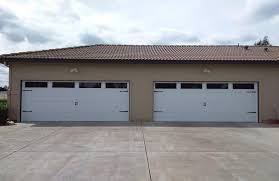
Have you ever backed out of your garage too quickly, only to hear that sickening crunch as your bumper meets the garage door? It is a moment of pure panic followed by an immediate financial worry. You are likely asking yourself: does homeowners insurance cover garage door damage by your car? The short answer is yes, but with important caveats regarding your deductible and policy specifics.
In this guide, we will break down exactly how insurance companies view this common household accident, what costs you might face, and the steps you need to take to get your garage back in working order without breaking the bank.
Understanding Coverage: Is It Home or Auto Insurance?
When your vehicle damages your own property, it creates a confusing overlap between two different types of insurance policies. Most homeowners assume their auto policy should handle anything involving a car, but that is not always the case when the “victim” is your own house.
The Role of Homeowners Insurance
Generally, homeowners insurance is designed to cover sudden and accidental damage to your dwelling and other structures on your property, such as a detached garage. If you accidentally drive into your garage door, it is typically classified as an “accidental discharge” or general property damage under your HO-3 (the most common policy type) or similar forms.
However, there is a critical distinction:
- Attached Garage: Usually covered under the “Dwelling Coverage” part of your homeowners policy.
- Detached Garage: Often covered under “Other Structures Coverage,” which is typically 10% of your dwelling limit.
Why Auto Insurance Usually Doesn’t Apply
Your auto insurance liability coverage pays for damage you cause to other people’s property. Since you cannot be liable to yourself, your auto liability will not pay for your own garage door. Furthermore, collision coverage on your auto policy pays for repairs to your car, not the structure you hit. Therefore, the burden of repairing the door falls squarely on your homeowners policy.
Expert Insight: According to general insurance principles outlined by industry standards, property damage caused by the insured to their own property is handled through property insurance, not liability insurance. You can read more about standard property insurance definitions on Wikipedia.
The Deductible Dilemma: When Filing Isn’t Worth It
Before you pick up the phone to call your insurer, you must do some quick math. This is where many homeowners make a costly mistake.
How Deductibles Work
Your homeowners insurance policy has a deductible—the amount you must pay out-of-pocket before the insurance company contributes. Common deductibles range from $500 to $2,500 or more.
Consider this scenario:
- Cost to replace garage door panels and tracks: $800
- Your homeowners deductible: $1,000
In this case, filing a claim would result in the insurance company paying $0. You would still pay the full $800, but now you have a “claim” on your record.
The Risk of Premium Increases
Even if the damage exceeds your deductible, filing a claim can lead to higher premiums. Insurance companies view frequent claimants as higher risks. A single claim for garage door damage might increase your annual premium by 10–20%, costing you more in the long run than simply paying for the repair yourself.
| Scenario | Repair Cost | Deductible | Insurance Payout | Recommended Action |
|---|---|---|---|---|
| Minor Dent | $400 | $1,000 | $0 | Pay out-of-pocket |
| Panel Replacement | $900 | $1,000 | $0 | Pay out-of-pocket |
| Full Door Collapse | $2,500 | $1,000 | $1,500 | File Claim |
| Structural Damage | $5,000 | $1,000 | $4,000 | File Claim |
Step-by-Step: How to Handle the Accident
If you determine that the damage is significant enough to warrant a claim, follow these steps to ensure the process goes smoothly.
1. Document the Damage Immediately
Take clear, well-lit photos of the garage door from multiple angles. Capture the damage to the door itself, any damage to your vehicle (for your records), and the surrounding area. If there are witnesses, such as family members, note their accounts of how the accident happened.
2. Secure the Area
If the door is hanging precariously or the springs are broken, do not attempt to operate it. Garage door springs are under extreme tension and can cause serious injury. Use a lock or a block of wood to keep the door in place until a professional arrives.
3. Get Professional Repair Estimates
Contact at least two licensed garage door repair companies for written estimates. Ensure these estimates detail whether the issue is cosmetic (panels) or structural (tracks, springs, opener). Insurance adjusters will want to see professional assessments, not just guesswork.
4. Contact Your Insurance Provider
Call your agent or the claims department. Be honest and straightforward:
- State clearly that the damage was accidental.
- Provide the date and time of the incident.
- Submit your photos and repair estimates.
5. Wait for the Adjuster
An insurance adjuster may visit your home to assess the damage personally. They will compare their findings with your estimates. Once approved, they will issue payment minus your deductible.
Common Exclusions and Limitations
While homeowners insurance is generally helpful, it is not a blank check. Be aware of these common exclusions that could deny your claim.
- Wear and Tear: If your garage door was already rusted, broken, or malfunctioning before you hit it, the insurer may argue that the damage was pre-existing. Insurance covers sudden accidents, not maintenance issues.
- Intentional Damage: If investigators find evidence that you deliberately drove into the door (e.g., during a dispute or fraud attempt), the claim will be denied, and you could face legal consequences.
- Business Use: If you use your garage for a commercial business and the damage occurred during business operations, your standard homeowners policy might exclude it, requiring a separate business policy.
FAQ: Frequently Asked Questions
1. Will my insurance rates go up if I file a claim for hitting my garage door?
It is possible. While a single small claim might not trigger a massive hike, any claim puts you in a higher risk category. If you have had other recent claims, your premiums could increase significantly. Always weigh the repair cost against potential premium increases over the next 3–5 years.
2. Does renters insurance cover garage door damage?
No. Renters insurance covers your personal belongings and liability, but it does not cover the structure of the building. If you rent a home with a garage, you must notify your landlord immediately. Their landlord insurance policy should cover the structural damage, though they may seek reimbursement from you if negligence is proven.
3. What if the garage door falls on my car?
This is a different scenario. If the garage door collapses due to mechanical failure or weather and damages your car, your auto comprehensive coverage would typically pay for the repairs to your vehicle. Your homeowners insurance might cover the repair of the door itself, depending on the cause of the collapse.
4. Can I choose my own repair contractor?
Yes. You are not required to use a contractor recommended by your insurance company. However, using their preferred vendors might speed up the approval process. If you choose your own, ensure they are licensed and insured to avoid liability issues.
5. Is there a waiting period before I can file a claim?
No, there is no waiting period for accidental damage. You should file the claim as soon as possible after the incident occurs. Delaying the report can sometimes raise suspicions or complicate the assessment of the damage.
Conclusion
So, does homeowners insurance cover garage door damage by your car? Yes, it typically does, provided the damage is accidental and sudden. However, the decision to file a claim should not be automatic.
Always calculate the repair cost against your deductible and consider the long-term impact on your insurance premiums. For minor dents or panel replacements, paying out-of-pocket is often the smarter financial move. For major structural damage, your homeowners policy is there to protect you from catastrophic costs.
Stay safe, drive carefully in tight spaces, and remember that a little caution can save you a lot of paperwork! If you found this guide helpful, please share it with your friends and family on social media—they might thank you the next time they hear a crunch in their driveway.
Leave a Reply