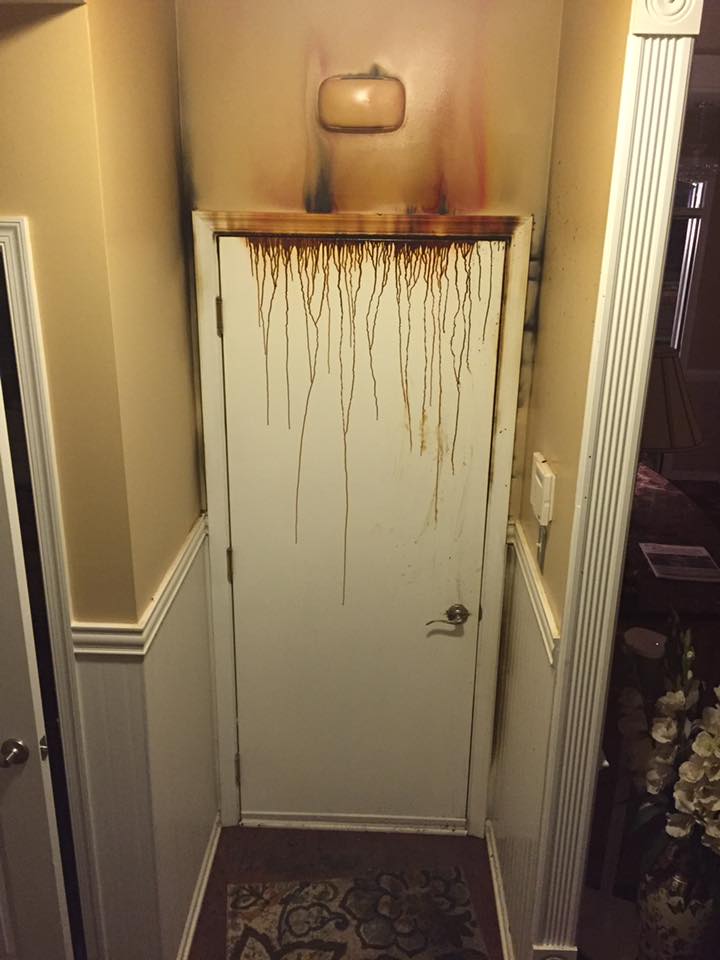
Have you ever stood in your garage, looking at the door that leads into your house, and wondered if it’s actually keeping you safe? It is a common concern for homeowners, especially when renovating or building from scratch. You might be asking yourself, does a garage entry door need to be fire rated to meet safety standards and insurance requirements? The short answer is often yes, but the details matter significantly for your home’s compliance and your family’s safety.
In this guide, we will break down the complex world of building codes, explain why fire ratings matter, and help you choose the right door without getting lost in technical jargon. Let’s ensure your home is not just beautiful, but truly safe.
Why Fire Ratings Matter for Garage Entry Doors
The garage is often considered the most dangerous room in the house regarding fire risk. It houses vehicles with flammable fuels, lawn equipment with gasoline, paint thinners, and various chemicals. If a fire starts in the garage, it can spread rapidly. The door connecting your garage to your living space is your primary defense line.
A fire-rated door is designed to resist the spread of fire and smoke for a specific period, typically 20 minutes to 90 minutes. This resistance gives you and your family crucial time to escape and allows firefighters to arrive before the fire engulfs the main living areas. Without this barrier, toxic smoke and flames can enter your home within seconds, turning a manageable incident into a tragedy.
According to the National Fire Protection Association (NFPA), residential fires cause thousands of injuries and deaths annually, with many originating in attached garages. Ensuring your entry door is up to code is not just about avoiding fines; it is about preserving life.
What Do Building Codes Say About Garage Doors?
When addressing the question, does a garage entry door need to be fire rated, we must look at the International Residential Code (IRC). The IRC is the model code adopted by most states and local jurisdictions in the United States.
The 20-Minute Rule
Under the IRC, specifically section R302.5.1, any door opening between a garage and a residence must be equipped with a solid wood door not less than 1-3/8 inches thick, or a solid or honeycomb core steel door not less than 1-3/8 inches thick, or a 20-minute fire-rated door.
This means that while you do not always need a heavy-duty commercial-grade 90-minute door, you cannot use a hollow-core interior door. Hollow-core doors offer almost no resistance to heat and fire. They can burn through in less than five minutes, providing negligible protection.
Local Variations Are Key
While the IRC provides a baseline, local building codes can be stricter. Some municipalities in high-risk wildfire zones or dense urban areas may require a 45-minute or even 60-minute rating. Always check with your local building department before purchasing or installing a door. Ignoring local amendments can lead to failed inspections and costly replacements.
Fire-Rated vs. Non-Fire-Rated: A Clear Comparison
To help you make an informed decision, let’s look at the differences between compliant and non-compliant doors. Understanding these distinctions is vital when shopping for materials.
| Feature | Fire-Rated Door (20-Min+) | Standard Hollow-Core Door |
|---|---|---|
| Core Material | Solid wood, mineral core, or honeycomb steel | Hollow cardboard or light wood lattice |
| Heat Resistance | Resists fire for 20–90 minutes | Burns through in <5 minutes |
| Smoke Sealing | Requires intumescent seals | No specialized sealing |
| Weight | Heavy and sturdy | Light and easy to lift |
| Code Compliance | Meets IRC and most local codes | Fails garage entry requirements |
| Cost | Higher initial investment | Low cost |
As shown above, the structural integrity of a fire-rated door is superior. The intumescent seals are particularly important. These seals expand when exposed to heat, filling the gaps around the door frame to prevent smoke and toxic gases from leaking into your home. Smoke inhalation is the leading cause of death in house fires, making these seals a critical component.
How to Identify a Fire-Rated Door
Not all solid doors are fire-rated. You cannot simply buy a thick wooden door and assume it meets the code. Here is how you can verify if a door is genuinely fire-rated:
- Check the Label: Look for a metal or paper label on the top edge or hinge side of the door. This label is issued by an independent testing laboratory like Underwriters Laboratories (UL) or Warnock Hersey (WH). It will state the fire rating duration (e.g., “20 Minute”).
- Inspect the Core: If there is no label, the door is likely not fire-rated. Fire-rated doors have specific internal structures that are not visible from the outside but are verified during manufacturing.
- Look for Self-Closing Mechanisms: Many codes require that the door be self-closing. This ensures that if you forget to close the door, it will shut automatically, maintaining the fire barrier. A simple spring hinge or a closer arm can achieve this.
If you are replacing an existing door, remove the old one carefully and check for these labels. If you are building new, ensure your contractor provides documentation proving the door’s rating.
Installation Tips for Maximum Safety
Buying the right door is only half the battle. Proper installation is equally critical. A fire-rated door installed incorrectly will not perform as intended during a fire.
- Gap Tolerance: The gap between the door and the frame should not exceed 1/8 inch on the sides and top. Larger gaps allow smoke and heat to bypass the door.
- Use Fire-Rated Hardware: Hinges, locks, and closers must also be rated for fire use. Standard hardware can melt or fail under high heat, causing the door to fall open.
- Seal the Frame: Ensure the door frame is properly sealed to the wall studs. Any gaps in the framing should be filled with fire-resistant caulk or foam.
- No Pet Doors: Avoid installing pet doors in a fire-rated garage entry door. Cutting into the door compromises its structural integrity and voids the fire rating. If you need a pet door, consider installing it in an exterior wall instead.
Frequently Asked Questions
1. Can I use a standard interior door if I paint it with fire-retardant paint?
No. Fire-retardant paint can slow the spread of flames on the surface, but it does not change the core structure of a hollow-core door. The inside will still burn quickly, and the door will fail to meet the 20-minute minimum requirement set by the IRC. You must use a door that is structurally rated.
2. Does the door need to be self-closing?
In most jurisdictions, yes. The IRC requires that doors between the garage and the house be self-closing or automatic-closing. This ensures the fire barrier is intact even if the homeowner forgets to close the door manually. Check your local code for specific hardware requirements.
3. What happens if I don’t have a fire-rated door?
If you are selling your home, a home inspector will likely flag this as a safety defect. It can delay the sale or require you to replace the door before closing. More importantly, in the event of a fire, your insurance company may deny your claim if they determine that code violations contributed to the damage.
4. Is a steel door better than a wood door for fire rating?
Both can be effective if they meet the 20-minute rating. Steel doors are often more durable and resistant to warping, but solid wood doors provide excellent insulation and aesthetic appeal. The key is the certification label, not just the material. Ensure whichever you choose has the proper UL or WH label.
5. Do I need a fire-rated door if my garage is detached?
No. If your garage is completely detached from your house and there is no direct doorway connecting the two, fire-rated door requirements do not apply to the garage itself. However, if you have a shared wall or a connecting breezeway, different rules may apply. Always consult local codes for detached structures.
Conclusion
So, does a garage entry door need to be fire rated? For the vast majority of homes with attached garages, the answer is a definitive yes. It is a small investment that provides immense peace of mind and legal compliance. By choosing a 20-minute fire-rated door with proper seals and self-closing hardware, you are actively protecting your family and your property.
Don’t wait for an inspection or, worse, an emergency to address this. Check your current door today. If it lacks a label or feels lightweight and hollow, plan to replace it soon. Your safety is worth far more than the cost of a door.
If you found this guide helpful, please share it with your friends and neighbors on social media. Spreading awareness about home safety can help protect more families in our community. Stay safe, and build smart!
Leave a Reply