Introduction
Imagine pressing the button on your remote, expecting your garage door to glide up smoothly, only to hear a loud strain from the motor or see it jerk halfway before stopping. It is a frustrating scenario that many homeowners face, often leading them to wonder: do you need torsion springs with a garage door opener? The short answer is an emphatic yes. Without properly functioning springs, your garage door opener is forced to lift hundreds of pounds of dead weight, which can lead to premature motor failure, safety hazards, and costly repairs. In this guide, we will break down exactly why these two components are inseparable partners in your home’s functionality.
The Critical Relationship Between Springs and Openers
To understand why springs are non-negotiable, we must first look at the physics of a garage door. A standard single-car garage door weighs between 130 and 150 pounds, while double-car doors can weigh upwards of 400 pounds.
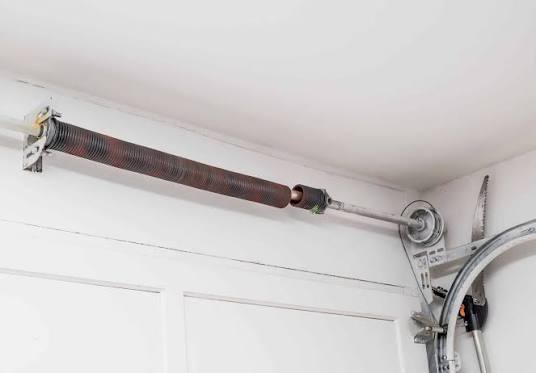
Your garage door opener is designed to move the door, not lift it. This is a crucial distinction. The springs are responsible for counterbalancing the weight of the door, making it feel nearly weightless when you operate it manually. The opener simply provides the final push to get it moving and holds it in place.
If you install an opener without functional torsion springs (or if the springs are broken), the motor must bear the entire load. Most residential openers are rated for lifting capacity based on a balanced door. Exceeding this by trying to lift unassisted weight violates the engineering specifications of the device.
Why Torsion Springs Are Preferred Over Extension Springs
While both types serve the same purpose, torsion springs are generally recommended for modern installations paired with openers. Here is a quick comparison:
| Feature | Torsion Springs | Extension Springs |
|---|---|---|
| Location | Mounted above the door on a metal shaft | Mounted along the horizontal tracks |
| Safety | Safer; contained within a steel tube | Higher risk; can snap and fly across the room |
| Balance | Provides smoother, more consistent balance | Can cause uneven lifting if one breaks |
| Lifespan | Typically 15,000–20,000 cycles | Typically 10,000 cycles |
| Opener Strain | Minimal strain due to superior balance | Higher potential for vibration and strain |
For more detailed mechanical definitions and historical context on spring mechanisms, you can refer to the general engineering principles outlined on Wikipedia.
People Also Ask: Common Questions Answered
What Happens If I Run My Opener With Broken Springs?
Running your garage door opener with broken or missing torsion springs is one of the fastest ways to destroy the unit. When the springs fail, the opener’s motor must work exponentially harder. This leads to:
- Motor Burnout: The electric motor overheats as it struggles against gravity, potentially burning out the windings.
- Gear Failure: The plastic or nylon gears inside the opener head are not designed for high-torque continuous loading. They may strip or crack.
- Cable Derailment: Without the tension from the springs, the lifting cables can slip off the drums, causing the door to jam or fall unevenly.
According to industry experts from the International Door Association (IDA), over 60% of premature garage door opener failures are attributed to lack of proper door balance and maintenance.
Can I Install Just an Opener and No Springs?
Technically, you can physically bolt an opener to the ceiling without springs, but it will not function correctly or safely.
If you attempt this, the door will likely not open fully. Modern openers have force-limit settings for safety. If the motor detects too much resistance (because it is lifting the full weight of the door), it will reverse direction automatically to prevent injury or damage. This means your door will open a few inches and then immediately close again.
Furthermore, voiding the warranty is a near-certainty. Most manufacturer warranties explicitly state that the opener must be installed on a properly balanced door.
How Do I Know If My Torsion Springs Are Balanced Correctly?
You don’t need to be a mechanic to check this. Perform this simple “Manual Balance Test”:
- Disconnect the Opener: Pull the red emergency release cord to disengage the door from the opener carriage.
- Lift Manually: Lift the door about halfway up (waist height).
- Let Go: Remove your hands carefully.
The Results:
- Balanced: The door stays in place. It does not rise or fall. This is the ideal state for your opener.
- Unbalanced (Falls): The springs are too loose or worn out. The opener will struggle to hold the door up.
- Unbalanced (Rises): The springs are too tight. The opener may struggle to pull the door down, or the door may slam shut dangerously.
What Is the Lifespan of Torsion Springs?
Torsion springs are rated by “cycles.” One cycle equals one opening and one closing.
- Standard Springs: Rated for 10,000 cycles. If you use your garage 4 times a day, these will last roughly 7 years.
- High-Cycle Springs: Rated for 25,000+ cycles. These can last 15–20 years under normal use.
If your springs are older than 7–10 years, even if they haven’t broken yet, they are likely losing their tensile strength. This subtle loss of balance puts extra strain on your opener, even if the door still opens.
Step-by-Step: Ensuring Your System Works Together
If you are installing a new opener or replacing springs, follow these steps to ensure optimal performance and longevity.
Note: Replacing torsion springs is dangerous due to high tension. It is strongly recommended to hire a professional for spring replacement. However, understanding the process helps you maintain the system.
- Inspect the Cables and Drums: Before connecting the opener, ensure the steel cables are tightly wound around the drums and show no signs of fraying. Loose cables indicate poor spring tension.
- Check the Spring Gap: When the door is closed, there should be a small gap between the coils of the torsion spring. If the coils are touching tightly, the spring may be over-wound or incorrectly sized.
- Balance the Door First: Always balance the door manually before attaching the opener arm. Adjust the spring tension until the door passes the “Manual Balance Test” mentioned above.
- Attach the Opener Arm: Connect the J-arm or straight arm to the bracket on the top section of the door. Ensure the bracket is secure.
- Set the Force Limits: Once connected, plug in the opener. Use the adjustment screws on the motor unit to set the “Up Force” and “Down Force.” Start low and increase gradually until the door moves smoothly without reversing unnecessarily.
- Test the Safety Sensors: Place an object (like a roll of paper towels) in the door’s path. Close the door. It should reverse immediately upon touching the object. This ensures the opener isn’t relying solely on force limits, which protects the motor from strain.
The Cost of Ignoring Spring Maintenance
Many homeowners view spring replacement as an optional expense until something breaks. However, consider the cost comparison:
- Torsion Spring Replacement: $200–$350 (Professional service).
- New Garage Door Opener: $300–$600+ (Unit plus installation).
- Repairing Opener Gears/Motor due to Strain: $150–$300.
By spending a fraction of the cost on timely spring maintenance, you extend the life of your much more expensive electronic opener. It is a classic case of “pay a little now, or pay a lot later.”
FAQ Section
Q1: Can I use my garage door manually if the opener breaks?
A: Yes, provided the torsion springs are intact and balanced. Pull the emergency release cord, and you should be able to lift the door with one hand. If the door feels extremely heavy, your springs are also failing, and you should not attempt to lift it manually as it could fall dangerously.
Q2: Do smart garage door openers require different springs?
A: No. Smart openers (like those compatible with Alexa or Google Home) still rely on the same mechanical principles. They still require a balanced door to function correctly. In fact, because smart openers often monitor usage data, they may alert you sooner if the motor is working too hard due to poor spring balance.
Q3: How often should I lubricate my torsion springs?
A: You should lubricate your torsion springs, hinges, and rollers every 6 months. Use a silicone-based lubricant or a specialized garage door spray. Avoid WD-40, as it attracts dust and can gum up the mechanism over time. Proper lubrication reduces friction, helping the opener work less.
Q4: Is it safe to replace torsion springs myself?
A: Generally, no. Torsion springs are under extreme tension (often 200+ pounds of torque). A slipping winding bar can cause severe injury or death. While extension springs are slightly safer for DIY, torsion springs should always be handled by certified technicians who have the proper tools and training.
Q5: Will a heavier insulated door need stronger springs?
A: Absolutely. Insulated steel doors are significantly heavier than non-insulated single-layer doors. If you upgrade your door, you must recalculate the spring weight and size. Using old springs with a new, heavier door will burn out your new opener quickly.
Q6: Can weather affect torsion spring performance?
A: Yes. Metal contracts in cold weather and expands in heat. In extreme winter temperatures, springs may become slightly stiffer, requiring a tiny bit more force from the opener. This is normal, but if your door struggles significantly only in winter, your springs may be near the end of their life.
Conclusion
So, do you need torsion springs with a garage door opener? The answer is unequivocally yes. They are not just an accessory; they are the foundational component that makes the opener possible. Without them, your opener is fighting a losing battle against gravity, leading to breakdowns, safety risks, and unnecessary expenses.
By ensuring your torsion springs are properly balanced, maintained, and replaced when necessary, you protect your investment and ensure your garage door operates smoothly for years to come. Think of the springs as the muscle and the opener as the brain—they need each other to function.
Did you find this guide helpful? Share it with your neighbors or on social media to help others avoid costly garage door mistakes. Stay safe, and keep your garage running smoothly!
Leave a Reply