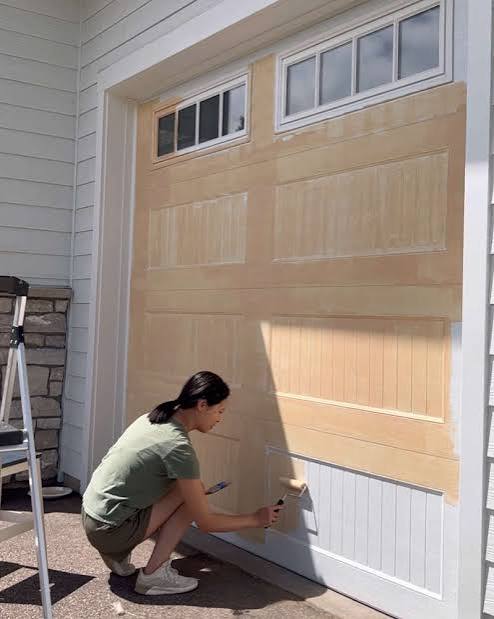
Have you ever stared at your faded, chipped garage door and wondered if a fresh coat of paint is enough to bring it back to life? Many homeowners skip the prep work, only to find their new paint peeling within months. If you are asking yourself, “Do I need to prime a garage door before painting?” the short answer is almost always yes, and here is exactly why it matters for your home’s curb appeal and longevity.
Why Priming Is Non-Negotiable for Garage Doors
Your garage door is one of the largest moving parts of your home’s exterior. It faces relentless exposure to UV rays, rain, snow, and temperature fluctuations. Without a proper primer, paint struggles to adhere to the surface, leading to premature failure.
Priming creates a stable, uniform surface that allows the topcoat to bond effectively. Think of primer as the foundation of a house; without it, even the most expensive paint will crack, blister, or peel. According to industry standards, skipping this step can reduce the lifespan of your paint job by up to 50%.
The Science Behind Adhesion
Paint needs a “tooth” or a slightly porous surface to grip onto Bare metal, wood, or previously painted surfaces often become too smooth or contaminated with oxidation over time. Primer penetrates these micro-pores and seals them, creating a mechanical bond that topcoats alone cannot achieve.
People Also Ask: Critical Questions Answered
To help you make the best decision for your project, let’s dive into the specific questions most homeowners have when tackling this DIY task.
What Happens If You Don’t Prime a Garage Door?
If you skip priming, you risk several common issues:
- Poor Adhesion: The paint may not stick, leading to flaking within weeks.
- Uneven Finish: Absorbent surfaces like wood will soak up paint unevenly, resulting in blotchy colors.
- Rust Bleed-Through: On steel doors, moisture can seep under the paint, causing rust to bubble up through the new coat.
- Increased Cost: You will likely need to repaint sooner, costing more in materials and labor in the long run.
Does the Material of the Garage Door Matter?
Yes, the material dictates the type of primer you need. Here is a quick breakdown:
| Material | Primer Requirement | Recommended Primer Type |
|---|---|---|
| Steel | Essential | Rust-inhibitive oil-based or acrylic latex |
| Aluminum | Recommended | Bonding primer for non-porous surfaces |
| Wood | Essential | Oil-based or high-build acrylic primer |
| Fiberglass | Optional* | Light sanding + bonding primer if glossy |
*Note: Even if optional, priming fiberglass ensures better durability.
Can I Use Paint-With-Primer-In-One?
Many manufacturers offer “paint and primer in one” products. While convenient, they are generally not recommended for garage doors. These products are designed for minor touch-ups on already primed surfaces, not for bare metal or weathered wood. For a surface as exposed as a garage door, a dedicated primer provides superior protection and adhesion.
Step-by-Step Guide: How to Prime Your Garage Door Correctly
Follow these steps to ensure a professional-quality finish that lasts for years.
Step 1: Clean the Surface Thoroughly
Dirt, grease, and grime are the enemies of adhesion. Use a mixture of 2 liters of water with 50ml of mild dish soap. Scrub the door with a soft-bristle brush or sponge. For stubborn grease spots, use a degreaser. Rinse thoroughly and let it dry completely.
Step 2: Sand and Scrape
Remove any loose paint, rust, or rough spots. Use 120-grit sandpaper for wood and 220-grit for metal. This creates a smooth surface and helps the primer grip. Wipe away all dust with a tack cloth.
Step 3: Choose the Right Primer
- For Steel Doors: Use a rust-inhibitive primer. Look for labels mentioning “direct-to-metal” (DTM).
- For Wood Doors: Use an oil-based primer to seal the grain and prevent tannin bleed.
- For Aluminum: Use a bonding primer designed for non-porous surfaces.
Step 4: Apply the Primer
Use a high-quality synthetic bristle brush for edges and a roller for flat panels. Apply a thin, even coat. Avoid dripping or pooling, especially on vertical surfaces. Let it dry according to the manufacturer’s instructions—usually 2–4 hours for latex and 24 hours for oil-based.
Step 5: Inspect and Topcoat
Once the primer is dry, inspect for any missed spots. Lightly sand with 220-grit paper if needed, then apply your chosen exterior-grade paint. Two thin coats are better than one thick coat.
Expert Insight: The Role of Weather Conditions
Timing is everything. Avoid painting in direct sunlight or high humidity, as this can cause the primer to dry too quickly or trap moisture. The ideal temperature range is 10–27°C (50–80°F). Check the weather forecast to ensure no rain is expected for at least 24 hours after application.
For more detailed information on surface preparation standards, you can refer to general guidelines on paint adhesion and surface preparation from Wikipedia.
Common Mistakes to Avoid
- Skipping the Clean-Up: Even invisible oils from hands can prevent adhesion. Always wear gloves and clean thoroughly.
- Using Interior Primer: Exterior primers are formulated to withstand UV rays and moisture. Interior primers will fail quickly outdoors.
- Ignoring Rust: If you see rust, treat it with a rust converter before priming. Primer alone won’t stop active corrosion.
FAQ Section
Q1: How long should I wait between priming and painting?
A: Wait at least 2–4 hours for latex primers and 24 hours for oil-based primers. Always check the specific product label for recoat times.
Q2: Can I prime over old paint?
A: Yes, but only if the old paint is in good condition. If it is peeling or chalky, you must scrape and sand it first. A bonding primer is recommended for glossy surfaces.
Q3: Do I need to prime both sides of the garage door?
A: Yes. The interior side is also subject to temperature changes and humidity. Priming both sides ensures balanced protection and prevents warping in wood doors.
Q4: What is the best type of paint for a primed garage door?
A: Use 100% acrylic latex exterior paint. It is flexible, durable, and resistant to fading and cracking.
Q5: How often should I repaint my garage door?
A: With proper priming and quality paint, you can expect 5–10 years of durability. Regular cleaning can extend this lifespan.
Q6: Is it safe to paint a garage door in winter?
A: It is not recommended. Most primers and paints require temperatures above 10°C (50°F) to cure properly. Cold weather can lead to poor adhesion and cracking.
Conclusion
So, do I need to prime a garage door before painting? Absolutely. Priming is the single most important step in ensuring your paint job looks great and lasts long. It protects your investment, prevents rust and decay, and provides a smooth, professional finish.
By taking the time to clean, sand, and prime correctly, you save money and effort in the long run. Don’t let shortcuts ruin your curb appeal. Grab your supplies, follow the steps above, and transform your garage door into a standout feature of your home.
Did you find this guide helpful? Share it with your friends on social media who might be planning their next DIY project!
Leave a Reply