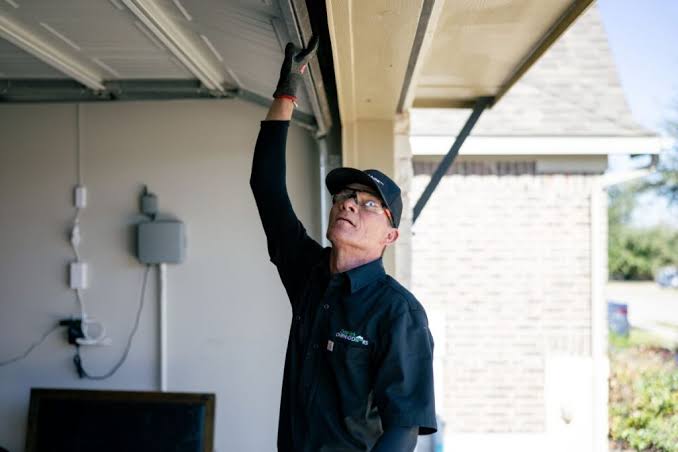
Replacing a broken or outdated garage door is one of the most impactful home improvements you can make. It boosts curb appeal, improves security, and enhances energy efficiency. However, before you grab your tools or hire a contractor, you might be asking yourself: “Do I need a permit to replace my garage door?” The answer isn’t always straightforward, as it depends heavily on your local building codes and the scope of your project.
Navigating municipal regulations can feel overwhelming, but getting it right saves you from costly fines and issues when selling your home. In this guide, we will break down exactly when a permit is necessary, what the process looks like, and how to ensure your installation is safe and compliant.
Understanding Local Building Codes
The short answer to whether you need a permit is: it depends on where you live. Building codes are not federal; they are established at the city, county, or municipal level. This means that while your neighbor in the next town over might not need a permit, you might.
Generally, most jurisdictions distinguish between a simple “repair” and a “structural alteration.” If you are merely swapping out an old door for a new one of the same size and type, many areas consider this a minor repair that does not require a permit. However, if your project involves changing the size of the opening, altering the framing, or modifying the electrical wiring for the opener, a permit is almost certainly required.
To be absolutely sure, you must check with your local building department. Ignoring these rules can lead to stop-work orders, fines, or difficulties during future home inspections. For a broader understanding of how building standards vary across regions, you can refer to general construction guidelines on Wikipedia.
When Is a Permit Required?
While every municipality has its own specific rules, there are common scenarios where a permit is typically mandated. Understanding these triggers can help you determine if your project falls into the “permit-required” category.
1. Structural Changes to the Opening
If you are installing a larger or smaller garage door than the existing one, you are altering the structural integrity of your home’s facade. This requires cutting into load-bearing walls or adjusting the header beam. Because this affects the safety of the structure, a building permit is essential to ensure the work meets engineering standards.
2. Electrical Work Involved
Modern garage doors often come with smart openers, Wi-Fi connectivity, and new lighting fixtures. If your installation requires running new electrical lines, adding new outlets, or significantly modifying the existing circuit for the garage door opener, an electrical permit is usually necessary. This ensures that all wiring is up to code and reduces the risk of fire hazards.
3. Changing the Material or Weight
Switching from a lightweight aluminum door to a heavy wooden or insulated steel door may require reinforcing the tracks and springs. If the weight difference is significant, the existing support structures might not be adequate. Some jurisdictions require a permit to verify that the garage framework can handle the new load.
4. New Construction or Major Renovations
If you are building a new garage or undergoing a major renovation that includes the garage door, the door installation will be part of the overall building permit. In these cases, you cannot separate the door installation from the larger project permits.
When Is a Permit Usually Not Required?
In many cases, homeowners can proceed without a permit. This is often referred to as “like-for-like” replacement. Here are the typical conditions for permit-free installation:
- Same Size and Type: You are replacing the existing door with a new one of the exact same dimensions and material type.
- No Structural Changes: You are not altering the frame, header, or surrounding walls.
- No Electrical Modifications: You are reusing the existing electrical outlet and wiring for the opener.
- Minor Repairs: You are fixing broken panels, replacing springs, or adjusting tracks without replacing the entire unit.
Note: Even if a permit is not required, you must still adhere to safety standards, particularly regarding spring tension and auto-reverse mechanisms.
Risks of Skipping the Permit Process
Some homeowners choose to skip the permit process to save time or money. However, this decision carries significant risks that can outweigh the initial convenience.
| Risk Factor | Consequence |
|---|---|
| Fines and Penalties | Municipalities can issue hefty fines for unpermitted work, sometimes costing more than the permit itself. |
| Insurance Issues | If an unpermitted garage door fails and causes damage or injury, your home insurance provider may deny the claim. |
| Resale Complications | During a home sale, inspectors may flag unpermitted work. This can delay closing, lower the appraised value, or force you to pay for retroactive permits. |
| Safety Hazards | Without inspection, faulty installations (especially regarding high-tension springs) may go unnoticed, posing a serious safety risk to your family. |
How to Apply for a Garage Door Permit
If you determine that a permit is required, the process is generally straightforward. Here is a step-by-step guide to help you navigate it efficiently.
- Contact Your Local Building Department: Visit your city or county’s official website. Look for the “Building Permits” or “Planning Department” section. Many jurisdictions now offer online applications.
- Prepare Necessary Documents: You will typically need:
- A completed permit application form.
- Product specifications of the new garage door (manufacturer’s cut sheet).
- A site plan or diagram showing the location of the door.
- Proof of homeowner’s insurance.
- Pay the Fee: Permit fees vary widely, ranging from $50 to $200 depending on your location and the project’s complexity.
- Schedule Inspections: Once the work is complete, you must schedule an inspection. An inspector will verify that the installation meets local codes, focusing on structural integrity and safety features like the auto-reverse mechanism.
DIY vs. Hiring a Professional
Deciding whether to install the door yourself or hire a pro impacts the permitting process.
DIY Installation: If you choose to do it yourself, you are responsible for pulling the permit. This means you must understand the local codes and ensure the installation passes inspection. While this saves on labor costs, it requires significant technical skill, especially when handling high-tension springs.
Hiring a Licensed Contractor: Most professional garage door companies are familiar with local regulations. In many cases, they will handle the permitting process for you. When hiring a contractor, always ask if the permit fee is included in their quote. Ensure they are licensed and insured, as this protects you from liability if something goes wrong during installation.
FAQ Section
1. How much does a garage door permit cost?
Permit costs vary by location but typically range between $50 and $150. Some cities charge a flat fee, while others base it on the value of the project. Check with your local building department for exact pricing.
2. Can I get a permit after the work is done?
Yes, this is called a “retroactive permit.” However, it is often more expensive and complicated. You may need to expose parts of the installation for inspection, which can mean undoing some work. It is always better to get the permit before starting.
3. Does replacing the garage door opener require a permit?
In most jurisdictions, replacing a garage door opener does not require a permit if you are using the existing electrical outlet and not modifying the wiring. However, if you are adding new circuits or hardwiring a new system, an electrical permit may be needed.
4. What happens if I sell my house with an unpermitted garage door?
Unpermitted work can raise red flags during the buyer’s inspection. You may be required to obtain a retroactive permit, fix any code violations, or offer a credit to the buyer. In worst-case scenarios, it can kill the deal entirely.
5. Are there exceptions for historic homes?
Yes, if you live in a historic district or have a designated landmark home, you may need additional approvals from a historic preservation committee. These rules often focus on maintaining the aesthetic integrity of the door, such as requiring specific materials or colors.
Conclusion
So, do you need a permit to replace your garage door? In many cases of simple, like-for-like replacements, the answer is no. However, if you are changing the size, altering the structure, or modifying electrical components, a permit is likely required.
Taking the time to check with your local building department is a small step that offers significant peace of mind. It ensures your home remains safe, your insurance stays valid, and your property value is protected. Don’t let bureaucracy scare you away from improving your home—just approach it with the right information.
If you found this guide helpful, please share it with friends or neighbors who might be planning their own home improvements. Staying informed is the best way to ensure a smooth and successful renovation project!
Leave a Reply