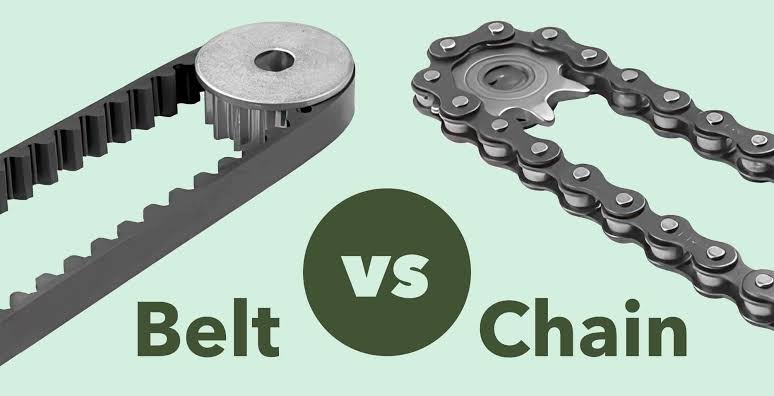
Introduction
Choosing a new garage door opener can feel overwhelming — especially when you’re stuck deciding between two of the most popular options on the market. If you’ve been searching for the difference between belt drive and chain drive garage door opener, you’re not alone; thousands of homeowners face this exact dilemma every year. The right choice depends on your budget, how close your garage is to living spaces, and how much maintenance you’re willing to handle — so let’s break it all down in plain English.
What Is a Chain Drive Garage Door Opener?
A chain drive garage door opener uses a metal chain — similar in concept to a bicycle chain — to pull or push a trolley that moves your garage door up and down along its track. This design has been around for decades and remains one of the most widely installed types in American homes.
How It Works (Step by Step)
- The motor activates when you press your remote or wall button.
- A sprocket turns, engaging the metal chain loop.
- The chain pulls a trolley connected to the door’s J-arm.
- The door travels along its overhead track until fully open or closed.
Chain drive openers are known for their raw power and reliability. They can lift even the heaviest wooden or insulated steel doors without breaking a sweat. According to industry data from the International Door Association (IDA), chain drive models account for roughly 60% of all residential garage door opener installations in the United States due to their affordability and proven track record.
Pros of Chain Drive Openers
- Lower upfront cost — typically $150–$300 for the unit alone
- High lifting power — ideal for heavy, double-car garage doors
- Widely available parts and easy DIY repairs
- Long lifespan with proper maintenance (15–20+ years)
Cons of Chain Drive Openers
- Significantly noisier — the metal-on-metal contact creates a rattling sound
- Requires regular lubrication of the chain (every 6–12 months)
- Vibration can transfer through the ceiling structure
- Not ideal if bedrooms sit directly above the garage
What Is a Belt Drive Garage Door Opener?
A belt drive garage door opener operates on the same basic mechanical principle but replaces the metal chain with a reinforced rubber or polyurethane belt. Think of it as the quieter, smoother cousin of the chain drive system.
How It Works (Step by Step)
- The motor engages upon receiving a signal from your remote or smart device.
- A pulley system rotates, moving the reinforced belt in a continuous loop.
- The belt drives a trolley attached to the garage door arm.
- The door glides smoothly along its track with minimal vibration.
Belt drive technology gained mainstream popularity in the early 2000s and has since become the go-to choice for homeowners who prioritize peace and quiet. For a deeper understanding of how belt-driven mechanical systems work in general engineering contexts, you can explore the fundamentals on Wikipedia’s page on belt drives.
Pros of Belt Drive Openers
- Whisper-quiet operation — up to 80% less noise than chain drives
- Minimal vibration transferred to the home’s structure
- Low maintenance — no chain lubrication needed
- Smooth, consistent motion reduces wear on door components
Cons of Belt Drive Openers
- Higher initial cost — typically $250–$500 for the unit
- Belts may need replacement after 10–15 years depending on usage
- Slightly less torque than heavy-duty chain models (though modern versions have largely closed this gap)
- Fewer ultra-budget options available
Head-to-Head Comparison Table
To make the difference between belt drive and chain drive garage door opener crystal clear, here’s a side-by-side breakdown:
| Feature | Chain Drive | Belt Drive |
|---|---|---|
| Noise Level | Loud (70–80 dB) | Quiet (45–55 dB) |
| Average Cost | $150 – $300 | $250 – $500 |
| Maintenance | Lubricate chain every 6–12 months | Inspect belt tension annually |
| Lifting Power | Excellent for heavy doors | Very good (modern models match chain) |
| Lifespan | 15 – 20+ years | 15 – 20 years |
| Best For | Detached garages, budget buyers | Attached garages, bedrooms above |
| Vibration | High | Minimal |
| DIY Friendly | Yes | Yes |
Which One Should You Choose? Key Decision Factors
The answer isn’t one-size-fits-all. Here are the real-world scenarios where each type shines:
Choose a Chain Drive If:
- Your garage is detached from the main house
- You’re working with a tight budget
- You have an exceptionally heavy or oversized door
- Noise simply isn’t a concern for your household
Choose a Belt Drive If:
- Your garage is attached to living spaces
- There are bedrooms or offices above the garage
- You value a peaceful home environment
- You want lower long-term maintenance
“In my 18 years of installing garage door systems, I always ask homeowners one question first: ‘Can you hear the opener from inside your bedroom?’ If the answer matters to them, belt drive is almost always the right call.” — Mike Torres, Certified Garage Door Technician, Clopay Authorized Dealer
Does Horsepower Matter More Than Drive Type?
This is a common misconception. While drive type affects noise and smoothness, horsepower (HP) determines raw lifting capability. Most residential openers come in three tiers:
- ½ HP — Suitable for standard single-car aluminum or lightweight steel doors
- ¾ HP — The sweet spot for most double-car sectional doors
- 1¼ HP+ — Reserved for custom wood doors or commercial-grade applications
A belt drive with ¾ HP will outperform a chain drive with ½ HP on a heavy door. Always match horsepower to your door’s weight first, then choose the drive type based on noise preference.
Installation Considerations for Both Types
Whether you choose belt or chain, proper installation is critical for safety and longevity. Here’s what to keep in mind:
- Measure your door weight before purchasing any opener.
- Check ceiling clearance — you need at least 2 inches above the highest point of door travel.
- Ensure electrical access — a dedicated 120V outlet within 3 feet of the motor unit.
- Install safety sensors at 6 inches above the floor on both sides of the door opening (required by U.S. federal law since 1993).
- Test the auto-reverse feature monthly by placing a 2×4 board on the ground under the door.
If you’re not comfortable working with electrical wiring and structural mounting, hiring a licensed professional typically costs $200–$500 for labor and ensures compliance with local building codes.
FAQ Section
Q1: Is a belt drive garage door opener really that much quieter than a chain drive?
Yes. Independent tests consistently show belt drive openers operate at approximately 45–55 decibels, comparable to a normal conversation. Chain drives typically register at 70–80 decibels, similar to a vacuum cleaner. If your garage shares a wall with a bedroom, the difference is immediately noticeable.
Q2: Can I replace a chain drive opener with a belt drive model myself?
Absolutely. Most modern belt drive openers use the same standard rail and mounting hardware dimensions as chain drive units. The swap usually takes 2–4 hours for a competent DIYer. Just make sure to disconnect power at the breaker before starting and follow the manufacturer’s instructions precisely.
Q3: How often does a belt drive belt need to be replaced?
Under normal residential use (opening and closing 3–5 times per day), a reinforced rubber belt lasts 10–15 years. Signs it’s time for replacement include visible cracking, fraying edges, or the door struggling to complete its full travel cycle. Replacement belts typically cost $30–$80.
Q4: Are belt drive openers strong enough for heavy wooden garage doors?
Modern belt drive openers with ¾ HP or higher can handle most residential wooden doors weighing up to 350–400 pounds. However, for exceptionally heavy custom doors exceeding 500 pounds, a heavy-duty chain drive or screw drive system may still be the safer recommendation.
Q5: Do belt drive openers work in extreme cold or heat?
Yes. Quality belt drive openers are rated to operate in temperatures ranging from -20°F to 120°F. The reinforced polyurethane belts resist stretching in heat and remain flexible in cold. That said, extremely cold climates may slightly slow the motor — a consideration that applies equally to chain drive models.
Q6: Which type adds more resale value to a home?
Neither type dramatically impacts appraised home value on its own. However, a quiet, well-maintained belt drive opener is often viewed as a premium feature by prospective buyers during home tours, especially in markets where attached garages are standard. It signals that the homeowner invested in quality and comfort.
Conclusion
Understanding the difference between belt drive and chain drive garage door opener ultimately comes down to three things: noise tolerance, budget, and garage location. If you crave a whisper-quiet experience and don’t mind spending a bit more upfront, a belt drive is a fantastic investment in daily comfort. If you need maximum power on a budget and noise isn’t an issue, a chain drive remains a rock-solid, time-tested choice.
No matter which path you take, prioritize proper installation, routine maintenance, and safety sensor testing to get the longest life out of your opener.
Found this guide helpful? Share it with friends, family, or neighbors who might be shopping for a new garage door opener! Post it on Facebook, pin it on Pinterest, or share it on X (Twitter) — someone you know is probably trying to make this exact decision right now. 🏠🔧
Leave a Reply