Choosing the right garage door opener can feel overwhelming, especially when you are torn between two of the most popular options on the market. You want a system that is reliable, fits your budget, and doesn’t wake up the entire household every time you leave for work. Understanding the difference between belt and chain drive garage door openers is the first step toward making an informed decision that balances performance with peace of mind.
Both systems have served homeowners well for decades, but they operate using fundamentally different mechanisms. While one prioritizes raw durability and lower upfront costs, the other focuses on whisper-quiet operation and smooth movement. In this guide, we will break down exactly how they differ, helping you decide which technology aligns best with your lifestyle and home structure.
How Do Belt and Chain Drive Mechanisms Work?
To understand which opener is right for you, it helps to know what is happening inside the motor unit. The core function of both systems is identical: they lift and lower your garage door. However, the method of transferring power from the motor to the door trolley varies significantly.
The Chain Drive System
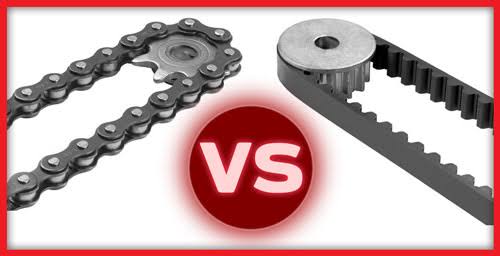
Chain drive openers are the traditional choice for many American homes. They use a metal chain, similar to a bicycle chain, to pull the trolley along a rail. When the motor engages, it turns a sprocket that moves the chain, thereby lifting the door.
This mechanism is robust and straightforward. Because it relies on metal-on-metal contact, it is incredibly strong and capable of handling heavy doors without much strain. However, this same metal interaction is responsible for the characteristic noise associated with these units.
The Belt Drive System
Belt drive openers replace the metal chain with a reinforced steel-reinforced rubber or polyurethane belt. This belt runs along a track to move the trolley. The material is designed to be flexible yet durable, offering a smoother transfer of energy.
The primary advantage here is the reduction of friction and vibration. Since rubber does not clang against metal gears in the same way a chain does, the operation is significantly quieter. This makes belt drives a favorite for homes where the garage is attached directly to living spaces or bedrooms.
Noise Levels: Which One Is Quieter?
If you have ever stood in a garage while a chain drive opener was running, you know the distinct “clatter” it produces. This is often the deciding factor for many homeowners.
- Chain Drive: These are the loudest option available. The metal chain creates vibration and noise as it moves over the sprocket. If your garage is detached from your house, this may not be an issue. However, if your garage shares a wall with your kitchen, bedroom, or home office, the noise can be disruptive, especially during early mornings or late nights.
- Belt Drive: These are widely regarded as the quietest type of garage door opener. The rubber belt absorbs vibration, resulting in a near-silent operation. Many users describe the sound as a low hum rather than a mechanical grind. For families with light sleepers or those who work from home, the difference between belt and chain drive garage door openers in terms of noise is substantial.
Expert Insight: According to industry standards, belt drive openers can operate at noise levels as low as 40-50 decibels, comparable to a quiet conversation. Chain drives often exceed 60-70 decibels, similar to normal speech or background music.
Durability and Lifespan Comparison
When investing in a garage door opener, you want it to last. Both systems are durable, but they face different wear-and-tear challenges.
| Feature | Chain Drive | Belt Drive |
|---|---|---|
| Material | Metal Chain | Steel-Reinforced Rubber/Polyurethane |
| Strength | Extremely High | High |
| Weather Resistance | Good (but can rust if untreated) | Excellent (resistant to rust/corrosion) |
| Maintenance Needs | Regular lubrication required | Minimal maintenance |
| Typical Lifespan | 10–15 years | 10–15 years |
Chain Drive Durability
Metal chains are incredibly tough. They are less likely to snap under extreme weight or tension. However, they are susceptible to rust and corrosion if not properly maintained, especially in humid climates. Regular lubrication is essential to keep the chain moving smoothly and to prevent premature wear on the sprockets.
Belt Drive Durability
Modern belts are engineered to withstand significant tension and temperature fluctuations. They do not rust, which is a major advantage in coastal areas or regions with high humidity. While early generations of belt drives had concerns about stretching or cracking, modern materials have largely resolved these issues. They require little to no lubrication, reducing the hassle of upkeep.
For more detailed technical specifications on garage door mechanisms, you can refer to general engineering principles outlined on Wikipedia.
Cost Analysis: Upfront Price vs. Long-Term Value
Budget is always a critical consideration. Let’s look at the financial implications of each choice.
Upfront Costs
- Chain Drive: These are generally the most affordable option. You can often find basic chain drive units for $150–$250. This makes them an attractive choice for landlords, rental properties, or homeowners on a tight budget.
- Belt Drive: Expect to pay a premium for silence. Belt drive openers typically range from $250–$400 or more for high-end models. The higher cost reflects the advanced materials and engineering required to produce a quiet, smooth-operating system.
Long-Term Value
While chain drives are cheaper initially, they may incur higher maintenance costs over time due to the need for regular lubrication and potential part replacements caused by vibration. Belt drives, though more expensive upfront, often offer better long-term value for homeowners who prioritize convenience and low maintenance. Additionally, a quiet belt drive can add perceived value to your home if potential buyers view the garage as a livable or usable space.
Maintenance Requirements: What You Need to Know
Ease of maintenance is another key aspect of the difference between belt and chain drive garage door openers.
Chain Drive Maintenance
- Lubrication: You must lubricate the chain every 6–12 months using a specific garage door lubricant. Avoid WD-40, as it can attract dust and grime.
- Tension Checks: Over time, chains can stretch. You may need to adjust the tension to ensure smooth operation.
- Noise Monitoring: Listen for grinding sounds, which may indicate worn sprockets or lack of lubrication.
Belt Drive Maintenance
- Inspection: Visually inspect the belt for cracks or fraying once a year.
- Cleaning: Keep the rail clean to prevent debris from interfering with the trolley.
- No Lubrication: Unlike chains, belts do not require lubrication. In fact, adding oil or grease can damage the rubber material.
Which One Should You Choose?
The decision ultimately depends on your specific situation. Here is a quick guide to help you decide:
Choose a Chain Drive If:
- Your garage is detached from your main living quarters.
- You are on a strict budget.
- You have a very heavy wooden or custom door that requires maximum pulling power.
- You don’t mind performing occasional maintenance.
Choose a Belt Drive If:
- Your garage is attached to your home, especially near bedrooms or living areas.
- You value peace and quiet.
- You prefer a low-maintenance appliance.
- You live in a humid or coastal area where rust is a concern.
- You are willing to invest more upfront for long-term comfort.
FAQ Section
1. Can I convert my chain drive opener to a belt drive?
In most cases, no. The internal mechanics, sprockets, and motor housing are designed specifically for either a chain or a belt. Converting would essentially require replacing the entire motor unit. It is usually more cost-effective to buy a new belt drive opener than to attempt a conversion.
2. Are belt drives strong enough for heavy garage doors?
Yes. Modern belt drive openers are built with high-torque motors and reinforced steel belts that can handle standard residential garage doors, including double-car doors and heavier wooden doors. Always check the manufacturer’s weight rating to ensure compatibility with your specific door.
3. Do belt drives break more easily than chains?
Not necessarily. While metal chains are virtually unbreakable under normal use, modern polyurethane belts are extremely durable and resistant to snapping. They are designed to withstand thousands of cycles. The main risk to belts is extreme cold, which can make rubber brittle, but high-quality belts are rated for a wide range of temperatures.
4. How often should I replace my garage door opener?
Most garage door openers, whether belt or chain, last between 10 to 15 years. If your opener is older than 10 years, starts making unusual noises, or struggles to lift the door, it may be time to consider a replacement. Upgrading to a newer model can also provide access to smart home features and improved safety sensors.
5. Is a belt drive worth the extra money?
For most homeowners with attached garages, yes. The reduction in noise pollution significantly improves quality of life. If you rarely use your garage or it is far from your living space, the extra cost may not be justified. However, for daily users, the comfort and low maintenance of a belt drive often justify the initial investment.
Conclusion
Understanding the difference between belt and chain drive garage door openers comes down to balancing noise, cost, and maintenance. Chain drives offer a budget-friendly, robust solution ideal for detached garages, while belt drives provide a premium, whisper-quiet experience perfect for attached homes.
By considering your home’s layout, your budget, and your tolerance for noise, you can select the opener that best serves your needs. Remember, a garage door opener is a long-term investment in your home’s convenience and security.
Did you find this guide helpful? Share it with your friends on social media who might be struggling to choose their next garage door opener!
Leave a Reply