Introduction
Your garage door is likely the largest moving object in your home, yet many homeowners overlook its potential dangers until it’s too late. If you are living in an older home or have inherited a vintage automation system, you might be unaware that CPSC non-reversing automatic garage door openers are a hazard to children, pets, and even adults. Understanding this risk is the first step toward creating a safer living environment for everyone in your household.
In this guide, we will break down exactly why these older models are dangerous, what the current safety standards require, and how you can easily upgrade your system to meet modern safety codes. We’ll move beyond technical jargon to provide clear, actionable advice that prioritizes your family’s well-being.
Why Did the CPSC Ban Non-Reversing Openers?
To understand the severity of the issue, we must look at the history of garage door safety. Before 1993, garage door openers were not required to have automatic reversal mechanisms. This meant that if the door encountered an obstacle—such as a child, a pet, or a bicycle—it would continue to close with full force, potentially causing crushing injuries or death.
The U.S. Consumer Product Safety Commission (CPSC) intervened after receiving numerous reports of entrapment incidents. In response, they established federal safety standards that mandated all residential garage door openers manufactured after January 1, 1993, to include two critical safety features:
- Auto-Reverse Mechanism: The door must reverse direction if it encounters an obstruction while closing.
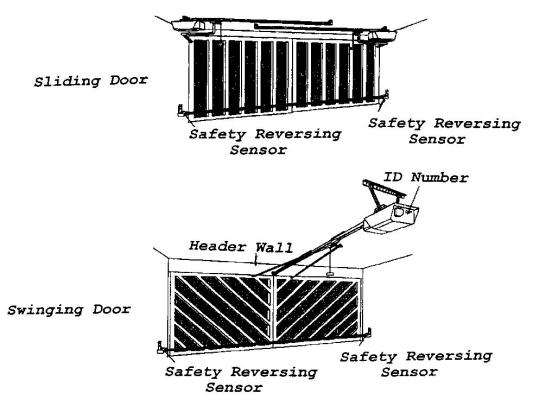
- Photo-Eye Sensors: A beam of light near the floor that detects objects in the door’s path. If the beam is broken, the door stops and reverses.
According to historical data analyzed by safety experts, the implementation of these standards reduced garage door-related injuries significantly. However, millions of pre-1993 units remain in operation across the United States, posing a silent threat.
Key Statistic: Since the mandatory installation of auto-reverse mechanisms, fatal entrapment incidents involving garage doors have dropped by over 80%.
For more detailed historical context on consumer product safety regulations, you can refer to the U.S. Consumer Product Safety Commission’s official archives.
How to Identify if Your Garage Door Opener Is Unsafe
Many homeowners assume their garage door is safe because it “seems” to work fine. However, visual inspection and simple tests can reveal whether your opener complies with current safety standards. Here is a checklist to help you identify hazardous non-reversing openers.
1. Check the Manufacturing Date
Look for a label or sticker on the motor unit (usually hanging from the ceiling). If the date is before 1993, the unit is legally considered non-compliant with current safety standards. Even if it was manufactured in the early 90s, verify if it has the necessary sensors.
2. Look for Photo-Eye Sensors
Stand inside your garage and look at the tracks near the floor. Do you see small plastic devices with LED lights on both sides? These are the photo-eye sensors.
- If yes: Your system likely has basic safety features.
- If no: Your opener is missing a critical safety component and is a hazard.
3. Perform the “Roll-Up Test”
Place a solid object, such as a 2×4 piece of wood or a roll of paper towels, on the floor under the center of the door. Close the door using the wall button or remote.
- Safe Response: The door touches the object and immediately reverses upward.
- Hazardous Response: The door pushes against the object, continues closing, or strains without reversing.
| Feature | Pre-1993 (Hazardous) | Post-1993 (Compliant) |
|---|---|---|
| Auto-Reverse | Optional or nonexistent | Mandatory |
| Photo-Eyes | Not required | Mandatory |
| Force Setting | Often too high | Regulated limits |
| Safety Risk | High (Crushing hazard) | Low (With proper maintenance) |
The Dangers of Ignoring CPSC Guidelines
Ignoring the warning that CPSC non-reversing automatic garage door openers are a hazard can lead to severe consequences. The primary risk is entrapment. Children are particularly vulnerable because they may not realize the danger of playing under a moving door. Pets, too, can be caught off guard by the speed and silence of modern motors.
Beyond physical injury, there are legal and financial implications. If someone is injured on your property due to a known safety defect that you failed to address, you could be held liable for negligence. Furthermore, many home insurance policies may deny claims related to accidents caused by non-compliant equipment.
Real-World Case Study
In a documented incident from the early 2000s, a toddler wandered into the garage while the door was closing. Because the opener lacked photo-eye sensors and had a disabled auto-reverse feature, the door closed on the child. Fortunately, the child survived but suffered serious injuries. This tragic event highlights why relying on “it hasn’t happened yet” is not a valid safety strategy.
How to Upgrade Your Garage Door System Safely
If you discover that your garage door opener is non-reversing or lacks sensors, do not panic. You have several options to mitigate the risk, ranging from DIY retrofits to professional replacements.
Option 1: Install Retrofit Safety Sensors
For some older openers, you can purchase universal photo-eye sensor kits. These kits include the sensors, wiring, and instructions for connecting them to your existing motor unit.
- Cost: $50–$100
- Difficulty: Moderate (Requires basic electrical knowledge)
- Note: Ensure the kit is compatible with your specific brand and model.
Option 2: Replace the Motor Unit
If your opener is very old (pre-1993), it is often more cost-effective and safer to replace the entire motor unit. Modern openers come with advanced safety features, including battery backups and smartphone connectivity.
- Cost: $200–$500+
- Difficulty: Easy to Moderate (Many homeowners can do this with a helper)
- Benefit: You get a warranty and the latest safety technology.
Option 3: Hire a Professional Technician
If you are uncomfortable working with electrical components or heavy springs, hire a certified garage door technician. They can assess your entire system, including the springs and cables, which are also under high tension and can be dangerous.
Step-by-Step Guide to Testing Your Auto-Reverse Feature
If you have a newer opener, perform this test monthly to ensure it remains functional:
- Clear the Area: Ensure no people or pets are near the door.
- Place the Object: Put a 1.5-inch thick block of wood on the floor under the center of the door.
- Close the Door: Use the remote or wall button to close the door.
- Observe: The door should stop and reverse immediately upon touching the wood.
- Adjust if Necessary: If it does not reverse, consult your manual to adjust the “force” setting. If it still fails, call a professional.
Frequently Asked Questions (FAQ)
Q1: Is it illegal to own a non-reversing garage door opener?
A: It is not illegal to own a pre-1993 opener, but it is illegal to manufacture or sell new units that do not meet the safety standards. However, using a non-compliant opener may violate local housing codes and could affect your home insurance coverage.
Q2: Can I just disable the auto-reverse feature if it’s sensitive?
A: No. Disabling the auto-reverse feature is extremely dangerous and violates federal safety guidelines. If your door is reversing unnecessarily, it indicates a problem with the alignment or force settings that needs to be fixed, not ignored.
Q3: How often should I test my garage door safety features?
A: The CPSC and major manufacturers recommend testing the auto-reverse mechanism and photo-eye sensors at least once a month. Regular maintenance ensures that dust, misalignment, or wear and tear do not compromise safety.
Q4: Are smart garage door openers safer than traditional ones?
A: Smart openers are generally safer because they adhere to current safety standards and often include additional features like real-time alerts if the door is left open. However, the core safety mechanism (auto-reverse and sensors) remains the same as standard compliant models.
Q5: What should I do if my garage door doesn’t have photo-eyes?
A: If your door lacks photo-eyes, it is likely a pre-1993 model or an improperly installed newer model. You should immediately stop using the automatic closure feature and contact a professional to install sensors or replace the unit. Until then, operate the door manually with extreme caution.
Conclusion
Recognizing that CPSC non-reversing automatic garage door openers are a hazard is crucial for maintaining a safe home. While older systems may seem convenient, they lack the critical safety nets that protect our loved ones from crushing injuries. By identifying your opener’s age, testing its reversal capabilities, and upgrading to a compliant system, you take a proactive step toward peace of mind.
Don’t wait for an accident to happen. Take ten minutes today to check your garage door sensors and schedule any necessary repairs. Your family’s safety is worth the investment.
Found this guide helpful? Share it with your neighbors and friends on social media to help spread awareness about garage door safety!
Leave a Reply