Introduction
Is your garage door stuck halfway or making loud banging noises? You are likely dealing with a broken spring, which is one of the most common yet stressful home maintenance issues. Understanding the cost to replace a spring on a garage door can help you budget effectively and decide whether to call a professional or attempt a repair yourself. In this guide, we break down everything you need to know about pricing, safety, and what to expect in 2026.
How Much Does It Cost to Replace a Garage Door Spring?
The average cost to replace a spring on a garage door typically ranges between $150 and $350 for a single spring replacement, including labor. However, this price can fluctuate based on several factors, including your location, the type of spring, and the weight of your door.
For a full pair replacement (which is often recommended), homeowners usually pay between $250 and $450. High-end heavy-duty doors or those requiring specialized torsion springs can push costs closer to $500–$600.
Breakdown by Spring Type
Not all garage door springs are created equal. The two main types are torsion springs and extension springs, and their costs differ significantly due to complexity and material requirements.
| Spring Type | Average Part Cost | Average Labor Cost | Total Estimated Cost |
|---|---|---|---|
| Torsion Spring | $50 – $100 | $100 – $200 | $150 – $300 |
| Extension Spring | $30 – $60 | $80 – $150 | $110 – $210 |
| Dual Spring System | $100 – $200 | $150 – $250 | $250 – $450 |
Note: Prices are estimates for 2026 and may vary by region.
Torsion Springs vs. Extension Springs: What’s the Difference?
Before you get a quote, it helps to know which type of spring your door uses. This knowledge empowers you to communicate better with service providers and understand why prices vary.
Torsion Springs
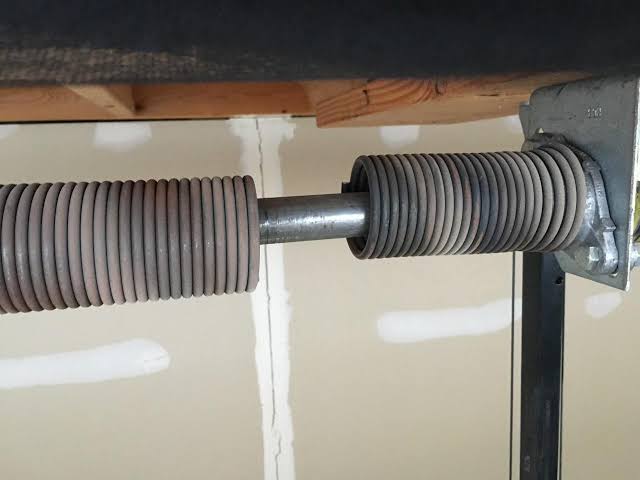
These are mounted horizontally above the closed garage door. They work by twisting (torque) to lift the door.
- Pros: Longer lifespan (15,000–20,000 cycles), smoother operation, and safer if they break (they stay contained).
- Cons: More expensive to replace and requires specialized tools for installation.
Extension Springs
These run parallel to the horizontal tracks on both sides of the door. They stretch to provide lifting force.
- Pros: Cheaper parts and easier to identify.
- Cons: Shorter lifespan (10,000 cycles), noisier, and potentially dangerous if they snap without a safety cable.
According to industry standards, torsion springs are generally preferred for modern homes due to their durability and balance. If you have an older home with extension springs, consider upgrading to torsion systems for long-term savings.
Factors That Influence Garage Door Spring Replacement Costs
Why did your neighbor pay $200 while you were quoted $350? Several variables impact the final bill.
1. Number of Springs
Most single-car garage doors use one spring, while double-car doors often use two. Replacing both simultaneously is highly recommended because if one breaks, the other is likely near the end of its life. Replacing only one can lead to uneven lifting and premature failure of the new spring.
2. Spring Cycle Life
Springs are rated by “cycles” (one open and close equals one cycle).
- Standard Duty: 10,000 cycles (~7–9 years).
- High Cycle: 25,000+ cycles (~15+ years). Opting for high-cycle springs costs more upfront but reduces long-term maintenance frequency.
3. Geographic Location
Labor rates in major metropolitan areas like New York or San Francisco are significantly higher than in rural areas. Expect to pay a premium for emergency or after-hours services.
4. Additional Repairs
Often, a broken spring causes collateral damage. Technicians may need to replace worn-out cables, rollers, or hinges. Always ask for a detailed inspection to avoid surprise fees.
Is It Safe to Replace Garage Door Springs Yourself?
This is the most critical question homeowners ask. The short answer: It is risky.
Garage door springs are under extreme tension. A slipping tool or incorrect measurement can cause the spring to release energy violently, potentially causing severe injury or property damage. The Consumer Product Safety Commission highlights garage doors as one of the largest moving objects in a home, emphasizing the need for caution.
When to DIY
- You have experience with mechanical repairs.
- You have the proper tools (winding bars, vice grips, ladder).
- You are replacing extension springs (less tension risk than torsion).
When to Hire a Pro
- You have a torsion spring system.
- You are unsure about the spring’s weight rating.
- You lack the specific winding tools.
Professional technicians carry insurance and have the expertise to handle high-tension components safely. For most homeowners, the peace of mind is worth the labor cost.
Step-by-Step: How Professionals Replace Garage Door Springs
Understanding the process helps you verify that the job is done correctly. Here is how a certified technician typically handles a torsion spring replacement:
- Disconnect the Opener: The garage door opener is disengaged to prevent accidental activation.
- Secure the Door: The door is clamped in the open position to relieve tension from the springs.
- Release Tension: Using winding bars, the technician carefully unwinds the old spring to release stored energy.
- Remove Old Spring: The broken spring is unhooked and removed from the torsion tube.
- Install New Spring: The new spring is slid onto the tube and secured with set screws.
- Wind the Spring: The technician winds the spring to the correct number of turns based on the door’s height and weight.
- Test Balance: The door is manually lifted to ensure it stays in place at mid-height, indicating proper balance.
This process usually takes 1–2 hours for a skilled professional.
How to Extend the Life of Your Garage Door Springs
While springs eventually wear out, proper maintenance can maximize their lifespan.
- Lubricate Regularly: Use a silicone-based lubricant or lithium grease on the springs every six months. Avoid WD-40 as it attracts dust.
- Visual Inspections: Look for gaps in torsion springs or stretching in extension springs. A visible gap in a torsion spring is a clear sign of imminent failure.
- Balance Check: Disconnect the opener and lift the door manually. It should lift smoothly and stay open. If it slams shut or is hard to lift, the springs are unbalanced.
- Keep Tracks Clean: Debris in the tracks adds strain to the lifting mechanism.
FAQ: Common Questions About Garage Door Spring Costs
1. How long do garage door springs last?
On average, torsion springs last between 7 to 9 years with regular use (approx. 10,000 cycles). High-cycle springs can last up to 15 years. Extension springs typically have a shorter lifespan of 5–7 years.
2. Can I replace just one spring?
Technically, yes, but it is not recommended. Since both springs undergo the same wear and tear, replacing only one puts excessive strain on the new spring and leaves the old one prone to breaking soon. Replacing both ensures balanced operation and longevity.
3. Why is my garage door spring making noise?
Squeaking or grinding noises usually indicate a lack of lubrication. However, loud banging sounds suggest a broken spring or loose hardware. If you hear a loud “bang,” stop using the door immediately and inspect for breakage.
4. Does homeowners insurance cover broken garage door springs?
Generally, no. Broken springs are considered wear and tear or maintenance issues, which are excluded from most standard homeowners insurance policies. Insurance typically covers sudden, accidental damage from events like storms or vehicle impacts.
5. How do I know if my spring is broken?
Look for a visible gap in the torsion spring coil. For extension springs, check if the safety cable is slack or if the spring appears stretched out. Other signs include the door not opening fully, the opener struggling, or the door slamming shut quickly.
6. What is the warranty on new garage door springs?
Most professional installations come with a 1–3 year warranty on parts and labor. High-cycle springs may have longer warranties. Always ask for written warranty details before hiring a technician.
Conclusion
Replacing a garage door spring is an inevitable part of home ownership, but it doesn’t have to be a financial shock. The cost to replace a spring on a garage door averages between $150 and $350, depending on the type of spring and labor rates in your area. While DIY is possible for the handy homeowner, the safety risks associated with high-tension torsion springs make professional installation the smarter choice for most people.
By understanding the differences between torsion and extension springs, maintaining your system with regular lubrication, and addressing issues early, you can ensure your garage door operates smoothly for years to come.
Found this guide helpful? Share it with your neighbors on Facebook or Twitter to help them save time and money on their next garage door repair!
Leave a Reply