Introduction
Winters in the US can be brutal, and your garage often becomes a chilly workspace or storage area that feels unusable. Many homeowners look for quick fixes, leading them to ask: can you use patio heater in garage with door open? While it might seem like a simple solution to take the chill off, the answer involves serious safety considerations regarding ventilation and fire hazards.
In this guide, we will break down the risks, explain why “door open” isn’t always enough, and provide safer alternatives to keep your garage warm without compromising your health or home safety. Let’s dive into the facts so you can make an informed decision.
The Short Answer: Is It Safe?
The short answer is: It depends heavily on the type of heater and the size of your garage.
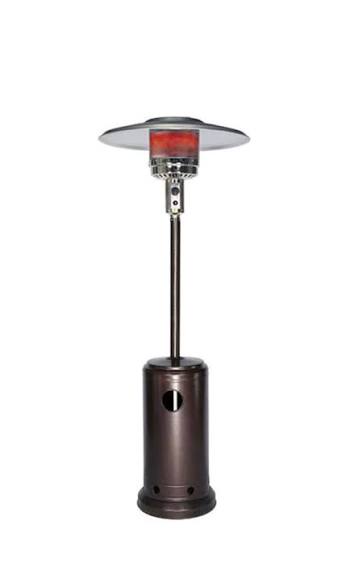
Generally, using a propane or natural gas patio heater in an enclosed or semi-enclosed space like a garage is not recommended by most manufacturers and safety experts. Even with the door open, dangerous gases can accumulate faster than they dissipate, especially if there is no cross-ventilation.
Electric patio heaters are the only truly safe option for garage use, regardless of whether the door is open or closed, as they do not produce combustion byproducts.
Understanding the Risks: Why Ventilation Matters
To understand why this question is so critical, we need to look at how different heaters work. Most patio heaters are designed for outdoor use, where wind and open space naturally disperse exhaust fumes. A garage, even with an open door, acts differently.
The Carbon Monoxide Danger
The biggest risk associated with fuel-burning heaters (propane, natural gas, kerosene) is Carbon Monoxide (CO). CO is a colorless, odorless gas that can be lethal in high concentrations.
- Incomplete Combustion: If the oxygen level in your garage drops because the heater is consuming it, incomplete combustion occurs, releasing higher levels of CO.
- Poor Airflow: An open garage door does not guarantee adequate airflow. If the wind is blowing into the garage, it might push fresh air in. But if the air is still, or if the wind blows out, exhaust fumes can linger near the ceiling or around the heater.
According to the Centers for Disease Control and Prevention (CDC), hundreds of people die annually from unintentional carbon monoxide poisoning in the US, often from improper use of generators or heating devices in semi-enclosed spaces.
Fire Hazards Beyond Gas
Aside from air quality, there is a physical fire risk. Garages are often cluttered with:
- Flammable liquids (gasoline, paint thinners)
- Paper boxes and storage items
- Dry wood or insulation materials
Patio heaters emit intense radiant heat. If placed too close to these items, even with the door open, you risk igniting a fire. The radiant heat can reflect off walls and ceilings, increasing the temperature of nearby combustibles unexpectedly.
People Also Ask: Specific Scenarios Explained
Let’s address the specific questions users often search for regarding this topic.
1. Does keeping the garage door fully open make it safe?
Not necessarily. While a fully open door improves ventilation significantly compared to a closed door, it does not make a fuel-burning heater “safe” for prolonged use.
- Wind Dependency: You are relying on weather conditions to clear the air.
- Heat Loss: The primary purpose of a heater is to warm a space. With the door wide open, you are heating the neighborhood, not your garage. The heater will run continuously, increasing fuel consumption and CO production without effectively warming your workspace.
2. What about electric patio heaters?
Electric patio heaters are safe for garage use. Since they do not burn fuel, they produce zero emissions, no carbon monoxide, and no oxygen depletion. They are ideal for garages because:
- They can be used with the door closed or open.
- They provide instant heat.
- Many models are wall-mounted or ceiling-mounted, saving floor space and reducing tip-over risks.
3. Can I use a propane heater if I only use it for 10 minutes?
Short-duration use reduces risk but does not eliminate it. If you must use a propane patio heater for a quick task:
- Ensure the garage door is fully open.
- Open any side windows to create a cross-breeze.
- Never leave the heater unattended.
- Have a working CO detector in the garage.
However, for regular use, this is not a sustainable or safe strategy.
Comparison: Propane vs. Electric Heaters for Garages
To help you decide, here is a quick comparison of the two main types of patio heaters when used in a garage setting.
| Feature | Propane/Natural Gas Patio Heater | Electric Patio Heater |
|---|---|---|
| Safety in Garage | Low Risk (Requires extreme caution) | High Safety (No emissions) |
| Ventilation Needed | Critical (Cross-ventilation required) | None |
| Heat Output | High (Great for large open spaces) | Moderate (Best for spot heating) |
| Operating Cost | Higher (Fuel costs vary) | Lower (Efficient electricity use) |
| Installation | Portable (Easy to move) | Fixed or Portable (Needs outlet) |
| CO Risk | Yes | No |
Step-by-Step: How to Safely Heat Your Garage
If you are determined to use a heating source in your garage, follow these steps to prioritize safety and efficiency. We recommend switching to an electric solution for long-term safety.
Step 1: Assess Your Garage Setup
Check for flammable materials. Clear a radius of at least 3 feet (1 meter) around where the heater will sit. Remove gasoline cans, rags, and paper stacks.
Step 2: Choose the Right Heater
- Best Option: Install an electric infrared heater. These mimic the sun’s warmth and heat objects directly, not just the air. They are efficient and safe for enclosed spaces.
- Alternative: If you must use propane, choose a model with an ODS (Oxygen Depletion Sensor) and a tip-over switch. Never use a heater without these safety features.
Step 3: Ensure Proper Ventilation (For Fuel Heaters Only)
If using a fuel-burning heater:
- Open the main garage door completely.
- Open a window on the opposite side of the garage to create airflow.
- Install a battery-operated Carbon Monoxide Detector at head height. Test it weekly.
Step 4: Monitor Usage Time
Do not leave fuel-burning heaters on overnight or while you are sleeping. Limit use to short periods when you are actively present and awake in the garage.
Step 5: Regular Maintenance
Check hoses for leaks (for propane) and ensure electrical cords are not frayed (for electric). A damaged heater is a significant hazard.
Expert Tips for Better Garage Heating
Instead of relying on a patio heater with the door open, consider these professional tips to make your garage warmer and safer:
- Insulate First: Heat escapes quickly through uninsulated garage doors. Adding insulation panels can retain heat better, allowing you to use smaller, safer electric heaters.
- Use a Ceiling Fan: In winter, run your ceiling fan clockwise at a low speed. This pushes warm air down from the ceiling, making the space feel warmer without increasing the thermostat.
- Seal Gaps: Check for drafts around windows and the garage door seal. Weatherstripping is cheap and effective.
FAQ Section
Q1: Can I use a kerosene patio heater in my garage?
A: No. Kerosene heaters produce strong odors and significant amounts of carbon monoxide and nitrogen dioxide. They are strictly for outdoor use and should never be used in a garage, even with the door open.
Q2: How far should a patio heater be from the garage wall?
A: Maintain a minimum clearance of 3 feet (0.9 meters) from any combustible material, including walls, shelves, and stored items. Always check the manufacturer’s manual for specific clearance requirements.
Q3: Do electric patio heaters use a lot of electricity?
A: Electric heaters typically range from 1,000 to 1,500 watts. Running one for 4 hours would consume 4–6 kWh. At an average US electricity rate of $0.15/kWh, this costs roughly $0.60–$0.90 per session. It is cost-effective for spot heating.
Q4: What is the best alternative to a patio heater for a garage?
A: An electric infrared tube heater mounted on the wall or ceiling is the best alternative. It provides direct heat, saves floor space, and poses no fire or gas risk.
Q5: Can I leave the garage door slightly ajar instead of fully open?
A: For fuel-burning heaters, a slight ajar is not sufficient. You need maximum airflow to disperse gases. However, leaving it slightly ajar is fine for electric heaters if you want some fresh air circulation.
Q6: Are there any patio heaters specifically rated for indoor/garage use?
A: Very few. Most “patio” heaters are explicitly labeled “Outdoor Use Only.” Look for heaters labeled as “Indoor/Outdoor” or specifically designed for workshops/garages. These are usually electric or have specialized venting systems.
Conclusion
So, can you use patio heater in garage with door open? Technically, you can, but it comes with significant risks if it’s a fuel-burning model. The potential for carbon monoxide buildup and fire hazards makes it a dangerous choice for regular use.
For your safety and peace of mind, we strongly recommend switching to an electric patio heater or a dedicated garage heating system. These options provide warmth without the deadly byproducts of combustion, allowing you to enjoy your garage space safely all winter long.
Stay warm, stay safe, and don’t forget to share this guide with friends who might be risking their health with improper garage heating!
Leave a Reply