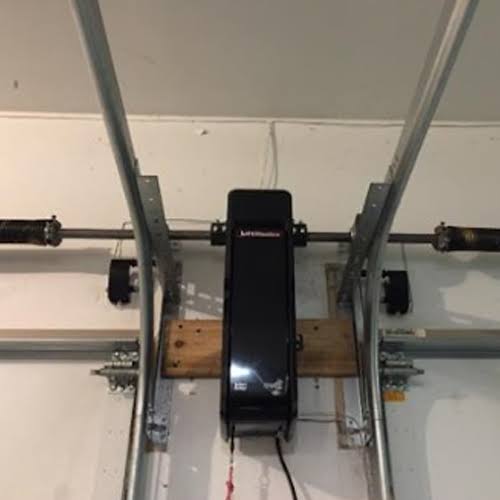
Replacing an old, noisy garage door is a great way to boost your home’s curb appeal and security. However, many homeowners wonder if they can save money by keeping the existing tracks. If you are asking, “Can you replace a garage door without changing the rails?” the short answer is usually no, and attempting it can be dangerous.
While it might seem like a logical cost-saving measure, mixing new doors with old rails often leads to misalignment, premature wear, and serious safety hazards. In this guide, we will explore why experts recommend replacing both, the rare exceptions where it might work, and how to ensure your garage operates smoothly for years to come.
Why Matching Doors and Rails Is Crucial
To understand why you generally cannot swap just the door panel, you need to understand how a garage door system works. It is not just a heavy slab of wood or metal; it is a finely tuned mechanical system.
The Engineering Behind the System
Garage doors rely on a precise balance between the weight of the door and the tension of the springs. The rails (or tracks) guide the rollers, which are attached to specific points on the door sections.
- Roller Compatibility: New doors often come with different roller sizes or stem types that may not fit old tracks.
- Track Curvature: The radius of the curve in the horizontal track must match the door’s movement exactly. Even a millimeter of difference can cause the door to jerk or bind.
- Weight Distribution: Modern doors may use lighter materials like aluminum or composite, while older doors were often heavy steel or wood. Old tracks and springs are calibrated for the original weight.
According to basic mechanical principles detailed on Wikipedia, the counterbalance system is critical for safe operation. Disrupting this balance by mixing components can lead to catastrophic failure.
Risks of Keeping Old Rails with a New Door
If you decide to ignore professional advice and keep your old rails, you expose yourself to several significant risks. Here is a breakdown of what could go wrong.
| Risk Factor | Description | Potential Consequence |
|---|---|---|
| Misalignment | New door sections may not align perfectly with old track brackets. | Door binds, jams, or falls off the track. |
| Spring Failure | Old springs are tired and calibrated for the old door’s weight. | Springs snap unexpectedly, causing injury or damage. |
| Voided Warranty | Most manufacturers require full system installation for warranty validity. | You pay out-of-pocket for any future repairs. |
| Noise & Wear | Incompatible rollers and tracks create friction. | Excessive noise and rapid deterioration of parts. |
The Safety Hazard
The most concerning issue is safety. Garage doors are the largest moving object in most homes. If the rails are worn or incompatible, the door can derail. A derailed door can crash down, potentially damaging vehicles, injuring pets, or harming family members.
Expert Insight: Professional installers often refuse to install a new door on old tracks because their liability insurance does not cover mixed-system failures. It is not just about convenience; it is about responsibility.
When Might You Keep Existing Rails?
While the general rule is to replace everything, there are very specific scenarios where keeping the rails might be feasible. However, these are exceptions, not the norm.
1. Same Manufacturer and Model Line
If you are replacing a damaged section of a door with an identical model from the same manufacturer, the rails may remain compatible. For example, if a storm damages one panel of a Clopay door, and you buy the exact same replacement panel, the existing hardware might still work.
2. Recent Installation with High-Quality Tracks
If your current tracks were installed less than five years ago and are made of heavy-gauge steel, they might be reusable. However, you must still verify:
- The roller stems match.
- The track radius is identical.
- The springs are re-calibrated for the new door’s weight.
3. Professional Assessment Only
Never make this decision alone. A certified technician can measure the track gauge, check for wear, and determine if reuse is safe. If they say no, trust their judgment.
Step-by-Step: How to Properly Replace Your Garage Door
If you decide to proceed with a full replacement (which is recommended), here is a simplified overview of the process. Note that this is a dangerous job best left to professionals due to high-tension springs.
- Disconnect the Opener: Unplug the garage door opener and disconnect the emergency release cord.
- Release Spring Tension: This is the most dangerous step. Professionals use winding bars to safely unwind the torsion springs. Do not attempt this without proper tools and training.
- Remove the Old Door: Unscrew the hinges and remove the bottom panel first, working your way up. Remove the old tracks and brackets.
- Install New Tracks: Mount the new vertical tracks, ensuring they are perfectly plumb (vertical). Attach the horizontal tracks with the correct slope (usually 1/4 inch per foot).
- Hang the New Door: Install the bottom panel, add hinges, and stack subsequent panels. Ensure rollers slide smoothly into the new tracks.
- Install New Springs: Wind the new torsion springs to the correct number of turns based on the door’s weight and height.
- Test and Balance: Manually lift the door halfway. It should stay in place. If it falls or rises, the spring tension is incorrect.
- Reconnect Opener: Plug in the opener and adjust the travel limits and force settings.
FAQ: Common Questions About Garage Door Replacement
1. Can I reuse my old garage door springs with a new door?
No. Springs have a lifecycle measured in cycles (one open/close = one cycle). Old springs are already fatigued. Installing them on a new door, which may have a different weight, will likely cause them to break within weeks or even days. Always replace springs when replacing the door.
2. How much does it cost to replace garage door rails separately?
Replacing just the rails is rarely offered as a standalone service because it is labor-intensive and usually unnecessary if the door is being replaced. If you need new tracks for an existing door, expect to pay between $150 and $300 for parts and labor, depending on your location and track type.
3. What is the lifespan of garage door tracks?
High-quality steel tracks can last 15–20 years if maintained. However, they are subject to wear from rollers, environmental corrosion, and accidental impacts. If you see dents, rust, or bending, they need immediate replacement regardless of age.
4. Will keeping old rails void my new door’s warranty?
In most cases, yes. Major manufacturers like LiftMaster, Chamberlain, and Overhead Door require that their products be installed according to specific guidelines. Using incompatible or worn-out existing hardware is considered improper installation, which nullifies the warranty.
5. Can I upgrade to a heavier door without changing rails?
Absolutely not. Heavier doors require stronger springs and more robust tracks to handle the increased load. Using old rails for a heavier door will cause rapid wear, bending, and potential collapse. Always upgrade the entire system when changing door weight significantly.
6. How do I know if my rails are bent?
Inspect the tracks visually. Look for gaps between the roller and the track, dents, or twists. You can also run a straight edge along the track to check for deviations. If the door makes grinding noises or jumps during operation, the tracks are likely misaligned or damaged.
Conclusion
So, can you replace a garage door without changing the rails? Technically, in very rare cases, you might get away with it. But practically and safely, the answer is a firm no.
Investing in a complete system replacement ensures:
- Safety: No risk of derailment or spring failure.
- Longevity: All parts wear at the same rate, extending the system’s life.
- Warranty Protection: Full coverage from the manufacturer.
- Performance: Quiet, smooth, and reliable operation.
Don’t gamble with your family’s safety to save a few hundred dollars. Treat your garage door as a complete system, not a collection of spare parts.
Found this guide helpful? Share it with your neighbors on Facebook or Pinterest who might be considering a garage upgrade. Let’s help everyone keep their homes safe and stylish!
Leave a Reply