Introduction
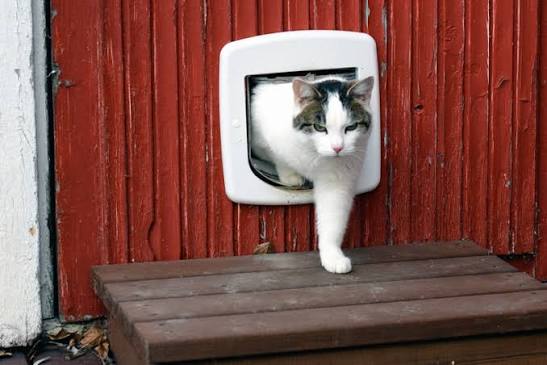
Are you tired of constantly getting up to let your feline friend in and out of the house? You might be wondering, can you put a cat door in a garage door to give them independent, stress-free access? While the short answer is yes, doing it safely and effectively requires careful planning to avoid damaging your door or compromising your home’s security. This guide will walk you through everything you need to know, from choosing the right flap to executing a flawless, professional-grade installation.
Can You Put a Cat Door in a Garage Door? (The Short Answer)
Yes, you can install a cat flap in wooden, metal, or even insulated garage doors
www.garagedoortrack.com. However, the feasibility largely depends on the type of garage door you own. Solid, single-panel doors or wooden pedestrian doors attached to the garage are the most straightforward candidates.
Conversely, modern sectional garage doors (the ones that roll up on tracks) require extreme caution. Cutting into these moving panels can disrupt the door’s structural balance, damage internal insulation, and potentially void the manufacturer’s warranty
www.legitlists.com. If you have a sectional door, many experts recommend installing the cat door in a side-hinged pedestrian door or a dedicated wall panel instead.
What Are the Pros and Cons of a Garage Door Cat Flap?
Before you pick up a power tool, it is crucial to weigh the benefits against the potential drawbacks. Here is a quick comparison to help you decide.
| Pros (Advantages) | Cons (Risks & Drawbacks) |
|---|---|
| Feline Independence: Your cat can roam safely without waking you up at dawn. | Warranty Voidance: Modifying the door often voids the manufacturer’s warranty gdmedics.com. |
| Convenience: No more standing in the cold or rain to let your pet inside. | Insulation Loss: Poorly sealed flaps can let cold drafts and moisture into the garage www.hitecpet.com. |
| Cost-Effective: Cheaper than installing a brand-new pet door in your home’s main wall. | Security Risks: Basic flaps can be pushed open by raccoons, stray cats, or intruders. |
| Space-Saving: Utilizes existing door space without altering your home’s interior walls. | Structural Damage: Incorrect cutting can weaken sectional door panels or damage fire ratings forum.nachi.org. |
Which Garage Door Types Are Safe to Modify?
Not all garage doors are created equal. Understanding your door’s material is the first step toward a successful installation.
- Wooden Garage Doors: These are the most forgiving and easiest to cut. They behave similarly to standard interior doors, making them ideal for DIY pet door installation.
- Steel or Aluminum Insulated Doors: These require specialized tools. You must work slowly to prevent the metal from bending or the insulation from separating. Never use a high-speed metal cutting wheel in a grinder, as it can overheat and warp the door www.finehomebuilding.com.
- Sectional Roll-Up Doors: These are the riskiest. Because each panel moves and bends along the track, cutting a rigid pet door frame into a thin, moving panel can cause operational failures. If you must use a sectional door, install the flap in the lowest solid panel to minimize stress.
💡 Expert Insight:
“Modifying a garage door is not like cutting a hole in a wooden fence. Garage doors are under immense tension and are engineered as complete systems. Always consult your door’s manual, and when in doubt, hire a professional to ensure the door’s balance and safety mechanisms remain intact.” — Certified Garage Door Technician.
How to Install a Cat Door in a Garage Door (Step-by-Step)
If you have confirmed your door is safe to modify, follow this precise, beginner-friendly tutorial.
Tools and Materials Needed:
- Measuring tape and pencil
- Power drill with a 1/4-inch drill bit
- Jigsaw with a fine-tooth metal/wood blade
- Screwdriver set
- High-grade silicone sealant (rated for -20°F to 150°F)
- Your chosen cat door kit (with mounting template)
Step 1: Measure and Mark the Location
Place the provided template against the door. Ensure it is perfectly level using a spirit level. Crucial detail: The lowest cutting mark must be at least 3 inches above the bottom edge of the door to maintain structural integrity and prevent water intrusion
www.lowes.com.
Step 2: Drill Pilot Holes
Using your 1/4-inch drill bit, drill pilot holes at the four corners of the marked rectangle. Pro tip: Drill holes no larger than the jigsaw blade to ensure clean, tight corners
www.finehomebuilding.com. If your door is insulated, drill from the outside first, then finish from the inside to prevent the metal skin from peeling.
Step 3: Cut the Opening
Insert the jigsaw blade into one of the pilot holes. Work slowly and steadily, following the template lines. Do not force the saw; let the blade do the work. For insulated doors, cut each side of the metal skin separately to avoid delaminating the foam core
www.finehomebuilding.com. Once cut, use a metal file or sandpaper to smooth any sharp, jagged edges.
Step 4: Install and Seal the Cat Door
Insert the outer frame of the cat door through the hole from the outside. Attach the inner frame from the inside. Secure them together with the provided screws, tightening them evenly in a crisscross pattern (like tightening a car tire) to prevent warping. Finally, apply a continuous bead of silicone sealant around the entire exterior perimeter to weatherproof the installation and block drafts.
What Are the Safety and Security Risks?
Installing a pet door introduces new variables to your home’s security and safety profile.
First, consider the wildlife. A basic, unsecured flap is an open invitation for raccoons, opossums, or stray animals to enter your garage. To mitigate this, invest in a microchip-activated cat door. These advanced models only unlock when they detect your specific cat’s microchip or a special collar tag, keeping unwanted critters out.
Second, be aware of fire safety. If your garage door serves as a fire barrier between the garage and your living space, cutting a hole into it compromises its fire rating, even if you install a fire-rated plate
forum.nachi.org.
Finally, understand the mechanics of your garage door. Garage doors rely on high-tension torsion springs to operate. Tampering with the door’s structure or weight distribution can be dangerous. For a deeper understanding of garage door mechanics and safety standards, you can review the general engineering principles outlined on Wikipedia’s Garage Door page.
Frequently Asked Questions (FAQ)
Q1: Will putting a cat door in my garage door void the warranty?
A: In most cases, yes. Drilling or cutting into a garage door panel is considered an unauthorized modification by most manufacturers. Always check your specific warranty terms before proceeding.
Q2: Can I install a cat door in a sectional garage door panel?
A: It is possible, but highly discouraged. Sectional panels bend and flex as they move along the track. A rigid cat door frame can crack the panel, jam the track, or ruin the door’s balance. A side-hinged pedestrian door is a much safer alternative.
Q3: What is the best type of cat door for an insulated garage door?
A: Look for a dual-flap or magnetic-seal pet door with a high R-value (insulation rating). These models trap a layer of air between two flaps, significantly reducing heat loss and blocking cold drafts during winter.
Q4: How do I keep wild animals or stray cats from using the door?
A: The most effective solution is to purchase an electronic, microchip-sensing cat door. These doors remain locked until your cat’s unique microchip is detected within a few inches of the sensor.
Q5: Is it safe to cut a hole in a metal garage door myself?
A: Yes, if you have basic DIY skills and the right tools (like a fine-tooth jigsaw blade). However, if you are uncomfortable working with metal or power tools, hiring a professional handyman or garage door technician is a wise investment to prevent costly damage.
Q6: How high should the cat door be from the ground?
A: Measure your cat’s height from the floor to the top of their shoulders. The bottom of the cat door opening should be about 1 to 2 inches higher than this measurement to ensure comfortable clearance without being so high that your cat has to jump awkwardly.
Conclusion
So, can you put a cat door in a garage door? Absolutely. When done correctly, it provides your feline companion with wonderful independence and saves you countless trips to the door. However, success hinges on choosing the right door type, using proper tools, and prioritizing safety and insulation.
By following this step-by-step guide, you can ensure a clean, secure, and weatherproof installation that both you and your cat will love.
Found this guide helpful? Share it with your fellow pet parents on Facebook, X (Twitter), or Pinterest to help them create a safer, more convenient space for their furry friends! Don’t forget to bookmark this page for future DIY home improvement reference.
Leave a Reply