Introduction
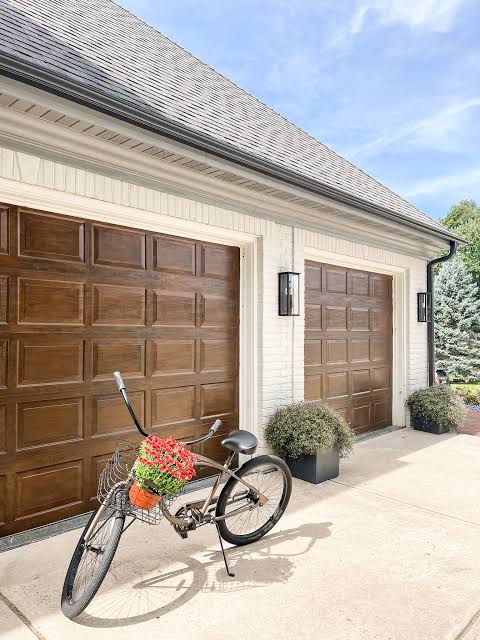
Are you tired of your plain, outdated garage door but not ready to spend thousands on a full replacement? You might be wondering, can you paint a garage door to look like wood without hiring a professional? The good news is yes, and with the right techniques, you can achieve a stunning, realistic faux wood finish that dramatically boosts your home’s curb appeal on a budget.
What Paint Works Best for a Faux Wood Garage Door?
When tackling a DIY wood grain project, material selection is everything. Not all paints are created equal, especially for exterior surfaces exposed to harsh UV rays, rain, and temperature fluctuations.
For the base coat, a high-quality 100% acrylic latex exterior paint is your best friend. It offers excellent flexibility, preventing cracks as the metal or composite door expands and contracts. For the glaze and grain effect, use a translucent exterior-grade glazing liquid mixed with universal tinting colors. This combination allows you to build depth, mimicking the natural variations found in real cedar, oak, or mahogany.
Expert Insight: According to the National Association of Realtors (NAR), upgraded garage doors consistently rank among the top home improvement projects for return on investment (ROI), often recouping over 90% of their cost. A faux wood paint job delivers this visual upgrade for a fraction of the price of real wood doors, which can easily exceed $2,000 to $4,000.
What Tools Do You Need for a Wood Grain Effect?
Before you begin, gather the right tools. Having everything on hand prevents mid-project interruptions and ensures a smooth, professional-looking finish.
- Cleaning supplies: 2 liters of warm water (temperature 22–28°C or 72–82°F for optimal grease breakdown), 50ml of mild dish soap, and a stiff-bristle brush.
- Sandpaper: 220-grit for light scuffing and adhesion.
- Primer: A high-bonding, rust-inhibitive exterior primer (essential for steel doors).
- Paint & Glaze: Acrylic latex base paint and a 4:1 ratio of clear glazing liquid to tinted paint.
- Application tools: High-density foam rollers, angled synthetic brushes, and a wood graining rocker tool (or a rubber graining comb).
- Protection: Painter’s tape, drop cloths, and a clear exterior polyurethane sealer.
Step-by-Step Guide: How to Paint a Garage Door Like Wood
Achieving a believable wood texture requires patience and precision. Follow these concrete steps to transform your door.
Step 1: Clean and Prep the Surface
Wash the entire door using the 2 liters of warm water and mild soap mixture. Scrub away dirt, oxidation, and old flaking paint. Rinse thoroughly and let it dry completely. Lightly sand the surface with 220-grit sandpaper to create a “tooth” for the primer to grip.
Step 2: Apply the Primer
Apply a thin, even coat of high-bonding exterior primer. This is non-negotiable for metal doors, as it prevents rust and ensures the topcoat adheres properly. Allow it to dry for at least 4 hours, or as specified by the manufacturer.
Step 3: Paint the Base Coat
Roll on two coats of your chosen base color (e.g., light tan, beige, or warm gray). This color represents the lightest part of the wood grain. Wait 4–6 hours between coats to ensure proper curing.
Step 4: Mix and Apply the Wood Glaze
Mix your clear glazing liquid with a darker tint (like raw umber or burnt sienna) at a 4:1 ratio. Working in manageable 2×2 foot sections, apply a 2mm thick layer of this glaze over the dried base coat using a foam brush.
Step 5: Create the Wood Grain
While the glaze is still wet, drag your wood graining rocker tool or rubber comb vertically through the glaze. Use a slight, irregular wrist motion to mimic natural wood knots and fibers. Wipe the tool clean after every few strokes to prevent muding. The art of mimicking materials like this is historically known as faux painting, a technique that relies on manipulating wet mediums to replicate natural textures.
Step 6: Seal the Finish
Once the glaze is completely dry (usually 24 hours), apply two thin coats of clear, matte, or satin exterior polyurethane. This protects your hard work from UV fading and moisture damage.
Faux Wood Garage Door: Pros vs. Cons
To help you decide if this project is right for you, here is a quick comparison of the benefits and drawbacks.
| Pros | Cons |
|---|---|
| Cost-Effective: Costs under $150 in materials vs. $2,000+ for real wood. | Time-Consuming: Requires multiple drying stages and careful, slow application. |
| Lightweight: No structural changes needed (real wood doors are very heavy). | Maintenance: May require a touch-up or resealing every 3–5 years. |
| Customizable: You control the exact wood species color and grain pattern. | Texture: It will look like wood, but feel like the underlying material (metal/fiberglass). |
| Durability: Modern acrylics resist rot, warping, and termites better than real wood. | Learning Curve: First-time users may need to practice the graining technique on cardboard. |
How Long Does a Painted Wood-Look Garage Door Last?
With proper preparation and high-quality exterior materials, a faux wood garage door finish can last 5 to 7 years before needing a refresh. The key to longevity is the final clear topcoat. UV-resistant polyurethane shields the delicate glaze work from sun damage, which is the primary cause of fading and chalking in exterior paint jobs. Doors facing direct southern sunlight may require a touch-up a year earlier than shaded doors.
Frequently Asked Questions (FAQ)
Q1: Can you paint a steel garage door to look like wood?
Yes, absolutely. Steel is actually one of the best surfaces for this project because it is smooth and stable. The critical step is using a rust-inhibitive, high-bonding primer before applying your base coat and wood grain glaze.
Q2: What is the best paint for a wood-look garage door?
A 100% acrylic latex exterior paint is best for the base coat due to its flexibility and weather resistance. For the grain effect, use a specialized translucent exterior glazing liquid mixed with universal oil or acrylic tints.
Q3: Do I need to prime my garage door before painting?
Yes. Primer is essential. It seals the surface, prevents rust on metal doors, and provides a uniform surface that ensures your base coat and faux wood glaze adhere properly without peeling.
Q4: Can I use a wood grain tool on a textured garage door?
It is not recommended. Wood graining tools work best on smooth surfaces. If your door has a heavy stippled or orange-peel texture, the graining tool will skip, resulting in an unnatural, broken pattern. Smooth the surface with a skim coat or choose a different finish.
Q5: How do I fix mistakes in the wood grain glaze?
The beauty of working with wet glaze is its forgiveness. If you make a mistake, simply use a clean, damp rag or a wide, soft brush to wipe the glaze away and smooth it back to the base coat. You can then reapply the glaze and try the grain pattern again.
Conclusion
So, can you paint a garage door to look like wood? The answer is a resounding yes. By following this step-by-step guide, you can transform a boring, builder-grade door into a stunning, custom faux-wood masterpiece. You will save thousands of dollars, avoid the maintenance headaches of real wood, and significantly elevate your home’s exterior aesthetic.
Ready to start your transformation? Gather your supplies, take your time with the graining technique, and enjoy the incredible results. If you found this guide helpful, please share it on Facebook, Pinterest, or X to inspire your friends and neighbors to upgrade their curb appeal too!
Leave a Reply