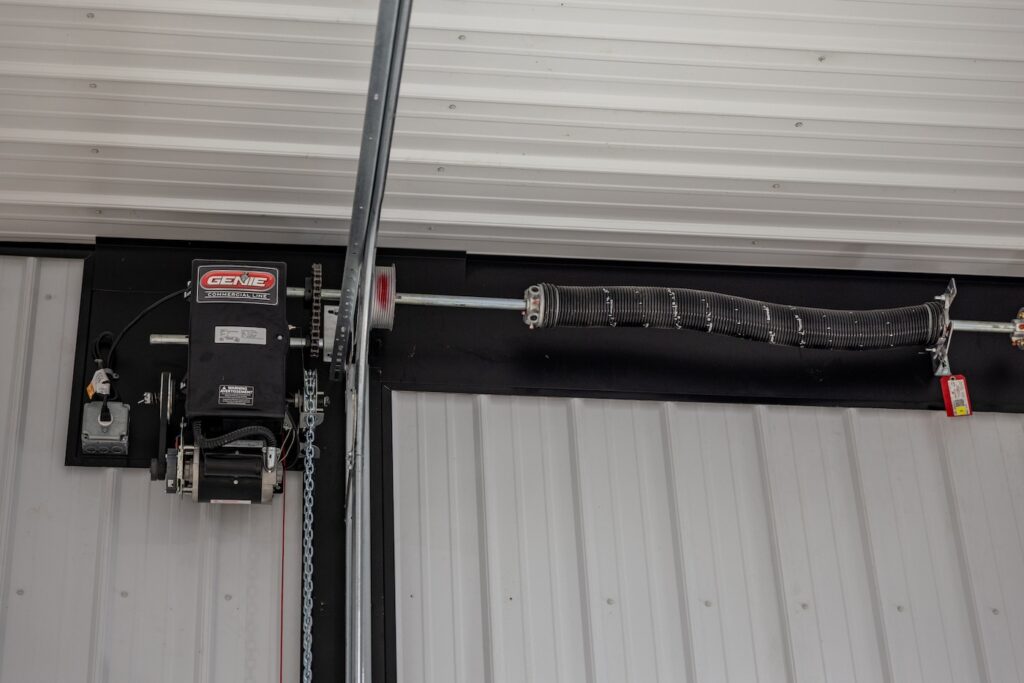
Have you ever stared at your garage door, heard a loud bang, and realized it won’t budge? It’s a frustrating and potentially dangerous situation that many homeowners face unexpectedly. If you are wondering, “Can you open a garage door with broken spring?” the short answer is yes, but it comes with significant risks and requires extreme caution. This guide will walk you through everything you need to know about handling this emergency safely.
Understanding the Role of Garage Door Springs
Before attempting any manual operation, it is crucial to understand what just failed. Garage door springs are not merely accessories; they are high-tension counterbalance systems designed to lift the heavy weight of your door. Without them, your door can weigh between 100 to 400 pounds (45–180 kg), depending on the material and size.
There are two main types of springs:
- Torsion Springs: Mounted horizontally above the door opening. They wind up to store energy.
- Extension Springs: Located on both sides of the door, stretching as the door closes.
When either type breaks, the counterbalance is lost. This means the opener motor cannot lift the door, and manually lifting it becomes a physical challenge fraught with danger. According to industry standards, a properly balanced door should stay in place when lifted halfway. A broken spring disrupts this balance entirely.
Is It Safe to Operate a Garage Door With a Broken Spring?
The most common question users ask is whether it is safe to proceed. The honest answer is: No, it is not safe for regular use.
Operating a garage door with a broken spring puts immense strain on the garage door opener motor. Most residential openers are not designed to lift the full dead weight of the door. Attempting to force the opener can burn out the motor, strip gears, or damage the track system. More importantly, the door becomes unstable. Without the tension from the spring, the door can slam shut unexpectedly, posing a severe crushing hazard to people, pets, or vehicles underneath.
Expert Insight: The International Door Association (IDA) warns that garage door springs are under extreme tension. DIY repairs or forced operations without proper knowledge can lead to serious injury. Always prioritize safety over convenience.
For more detailed technical specifications on door systems, you can refer to general mechanical principles outlined on Wikipedia.
How to Manually Open a Garage Door With a Broken Spring
If you absolutely must access your garage—for example, to retrieve a vehicle needed for an emergency—there is a way to do it manually. However, this should be treated as a last resort. Follow these steps precisely to minimize risk.
Step-by-Step Emergency Manual Release
- Disconnect the Opener: Locate the emergency release cord (usually red) hanging from the opener rail. Pull it down firmly. This disengages the trolley from the door, allowing you to move it freely.
- Clear the Area: Ensure no one, especially children or pets, is near the door path. Remove any obstacles from the driveway.
- Get Assistance: Do not attempt this alone. You need at least one other person to help stabilize the door.
- Lift Slowly and Evenly: Stand on both sides of the door. Grip the bottom handles or the bottom edge firmly. Lift slowly and evenly. Expect the door to feel extremely heavy.
- Secure the Door: Once fully open, the door will not stay up on its own. You must secure it immediately. Use locking pliers (Vise-Grips) on the track just below the bottom roller on each side. Alternatively, place sturdy wooden blocks or C-clamps on the tracks to prevent the door from sliding down.
- Close with Caution: To close, remove the clamps, hold the door firmly, and lower it slowly. Do not let go until it is fully closed and latched.
Warning: Never leave the door partially open. Without spring tension, it can fall unpredictably.
Risks of Driving Your Car Out With a Broken Spring
Many homeowners wonder if they can just “quickly” drive out before closing the door. While possible, this is risky. If the door is not securely clamped, vibration from the car engine or movement could cause it to slip. Additionally, if you plan to return soon, remember that closing the door manually is just as difficult and dangerous as opening it.
Consider these factors:
- Time Sensitivity: If you are in a rush, the manual process may take longer than expected.
- Physical Strain: Lifting a 200+ pound door can cause back injuries.
- Security: An unsecured garage door is an invitation to theft.
When to Call a Professional vs. DIY Repair
While some home repairs are suitable for DIY enthusiasts, garage door spring replacement is not one of them. Here is a comparison to help you decide.
| Feature | DIY Attempt | Professional Service |
|---|---|---|
| Safety Risk | Extremely High | Minimal (Trained Technicians) |
| Tools Required | Specialized winding bars, clamps | Professional-grade tools provided |
| Time Investment | Hours of research and struggle | 1–2 hours typical service time |
| Cost | Low (parts only), but high risk | Moderate ($150–$350 average) |
| Warranty | None | Parts and labor warranty included |
| Correct Balance | Difficult to achieve | Guaranteed proper calibration |
The cost of a professional repair is significantly lower than the potential medical bills or property damage from an accident. Professionals have the correct winding bars and safety cables to handle the high tension safely.
Preventive Maintenance Tips
To avoid finding yourself in this situation again, regular maintenance is key. Here are simple checks you can perform monthly:
- Visual Inspection: Look for gaps in torsion springs or stretched-out extension springs.
- Lubrication: Apply a silicone-based lubricant to springs, rollers, and hinges every six months. Avoid WD-40 as it attracts dust.
- Balance Test: Disconnect the opener and lift the door halfway. If it doesn’t stay put, the springs may be wearing out.
- Listen for Noises: Squeaking or grinding sounds often indicate worn components.
FAQ Section
1. How do I know if my garage door spring is broken?
Look for a visible gap in the torsion spring coil or a snapped extension spring. You may also hear a loud bang when it breaks. Other signs include the door feeling extremely heavy when lifted manually or the opener struggling to move the door.
2. Can I replace the garage door spring myself?
It is strongly discouraged. Torsion springs store massive amounts of kinetic energy. If handled incorrectly, they can unwind violently, causing severe injury or death. Always hire a certified technician for spring replacement.
3. How long do garage door springs last?
Standard springs are rated for approximately 10,000 cycles (one cycle = one open and one close). For an average family, this translates to 7–10 years. High-cycle springs can last longer but are more expensive.
4. Will a broken spring damage my garage door opener?
Yes. If you continue to try using the opener with a broken spring, the motor will overheat and likely fail. The gears may also strip due to the excessive load. Always disconnect the opener immediately after a spring break.
5. Is it expensive to fix a broken garage door spring?
The cost varies by location and door type, but typically ranges from $150 to $350. This includes parts and labor. While it may seem costly, it is a small price compared to replacing a damaged opener or dealing with injury.
6. Can I lock my garage door if the spring is broken?
Yes, but only when the door is fully closed. Most manual locks engage at the bottom. Do not attempt to lock the door while it is partially open, as this does not provide security and may interfere with safe manual operation.
Conclusion
So, can you open a garage door with broken spring? Technically, yes, but it should only be done in emergencies using strict safety protocols. The risks of injury and further damage to your property are too high to treat this as a routine task.
Your garage door is the largest moving object in your home, and respecting its mechanics is vital for safety. If you encounter a broken spring, disconnect the opener, secure the area, and call a professional immediately. Don’t gamble with high-tension systems.
If you found this guide helpful, please share it with your neighbors or on social media. You never know who might need this critical safety information when they hear that dreaded bang in their garage!
Leave a Reply