Have you ever pulled into your driveway only to realize the power is out, or worse, your garage door opener has completely failed? It is a frustrating situation that leaves many homeowners stranded and anxious about their belongings. If you are asking yourself, “Can you manually lift a garage door from the outside,” the answer is yes, but it requires knowing the right technique to do so safely and without damaging the mechanism.
In this guide, we will walk you through the exact steps to bypass electronic openers, explain the safety risks involved, and provide professional tips to ensure your garage door remains secure even when technology fails.
Understanding the Garage Door Mechanism
Before attempting to lift any heavy machinery, it is crucial to understand what you are dealing with. A typical residential garage door weighs between 130 and 350 pounds (59–159 kg). This weight is counterbalanced by high-tension springs and cables, which make the door feel light when operating correctly.
However, when the automatic opener is disengaged or broken, you are dealing with the raw weight of the door panels. Most modern doors use a torsion spring system mounted above the door, while older models may use extension springs on the sides. Knowing this distinction helps you anticipate how the door will behave when lifted manually.
According to general mechanical principles documented on Wikipedia, the counterbalance system is designed to hold the door in place at any point during its travel. If this system is intact, lifting the door should require moderate effort. If the springs are broken, the door will be extremely heavy and dangerous to lift.
How to Manually Lift a Garage Door From the Outside
If you are locked out and need to know can you manually lift a garage door from the outside, the process depends largely on whether you have access to the emergency release cord from the exterior. Most modern garage doors do not have an external handle for security reasons, but there are workarounds.
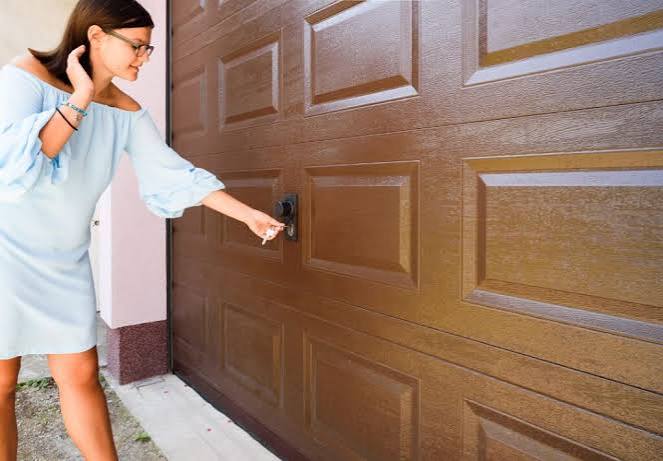
Step 1: Check for an External Key Lock
Some older garage doors or custom installations feature a keyed lock on the outside panel. If your door has one:
- Insert the key and turn it to unlock the T-handle.
- Pull the handle outward. This action often pulls a cable connected to the internal emergency release lever.
- Once the lever is pulled, the door is disconnected from the opener carriage.
Step 2: Using the Emergency Release Cord (If Accessible)
If you do not have an external lock, you may need to create a small gap to reach the internal emergency release cord. Note: This method should only be used in genuine emergencies as it can compromise security if done incorrectly.
- Use a sturdy, flat tool like a putty knife or a thin metal rod.
- Gently insert it between the top panel of the garage door and the frame.
- Hook the emergency release cord (usually a red rope with a handle) and pull it down and toward the door.
- You will hear a click, indicating the door is now disengaged from the motor.
Step 3: Lifting the Door
Once disengaged:
- Stand firmly with your feet shoulder-width apart.
- Place your hands under the bottom edge of the door.
- Lift smoothly and steadily. Do not jerk the door, as this can damage the tracks.
- If the door is balanced correctly, it should stay open once lifted. If it slams shut, the springs may be faulty.
Safety Risks and Precautions
Attempting to manually operate a garage door carries significant risks. The most common injury involves pinched fingers or back strain from lifting improper weights. More severely, a broken spring can release enough energy to cause serious harm.
| Risk Factor | Potential Consequence | Prevention Tip |
|---|---|---|
| Broken Springs | Door becomes extremely heavy; sudden collapse | Never attempt to lift if springs look snapped or loose |
| Pinch Points | Crushed fingers or hands | Keep hands clear of hinges and rollers |
| Slippery Grip | Loss of control, door falling | Wear gloves with good grip; ensure hands are dry |
| Unbalanced Door | Door slides down unexpectedly | Test the balance by lifting halfway; it should stay put |
Expert Insight: According to the International Door Association (IDA), homeowners should never attempt to repair or adjust garage door springs themselves. These components are under extreme tension and require specialized tools and training. If your door feels unusually heavy, stop immediately and call a professional.
Troubleshooting Common Issues
Even when you know can you manually lift a garage door from the outside, things do not always go smoothly. Here are common scenarios and solutions.
The Door Is Too Heavy to Lift
If the door feels like dead weight, do not force it. This is a clear sign that the counterbalance system has failed.
- Cause: Broken torsion or extension springs.
- Solution: Do not attempt to lift. Contact a licensed garage door technician. Forcing it can bend the tracks or cause the door to fall violently.
The Door Won’t Stay Open
A properly balanced door should remain open at any height. If it slides down:
- Cause: Worn-out springs or misaligned tracks.
- Solution: Use C-clamps or locking pliers to secure the door to the track temporarily if you must enter. However, this is a temporary fix. Schedule a repair immediately.
The Emergency Release Is Stuck
Sometimes the red cord gets tangled or the lever jams.
- Cause: Lack of lubrication or debris in the mechanism.
- Solution: Try gently wiggling the cord. If it does not budge, do not yank it. You may need to access the mechanism from inside if possible, or call for assistance.
When to Call a Professional
While knowing how to manually lift your door is a valuable skill, there are times when DIY is not the right answer. You should contact a professional if:
- You hear loud banging or snapping noises from the springs.
- The door moves unevenly or appears crooked in the tracks.
- The cables are frayed or hanging loose.
- You have attempted to lift the door and it feels unsafe.
Professional technicians have the tools to safely re-tension springs and realign tracks. Attempting these repairs without training can void your warranty and pose severe safety hazards.
FAQ Section
1. Can you manually lift a garage door from the outside if the power is out?
Yes, you can. When the power is out, the automatic opener is inactive, but the door itself is still functional. You must first disengage the opener by pulling the emergency release cord. Once disengaged, you can lift the door manually using the handles or the bottom edge.
2. Is it safe to leave my garage door manually open overnight?
It is not recommended. A manually opened door is not secured by the automatic lock of the opener. It can be easily lifted from the outside by intruders. If you must leave it open, use a padlock or a hasp to secure the door to the track or frame until power is restored.
3. Why is my garage door so hard to lift manually?
A garage door should be relatively easy to lift if the springs are working correctly. If it is heavy, the springs are likely broken or lost tension. Another possibility is that the tracks are misaligned or the rollers are seized due to lack of lubrication.
4. Can I reconnect the garage door opener myself after manual use?
Yes. To reconnect, simply pull the emergency release cord toward the motor unit until it clicks back into place. Then, operate the opener using the wall button or remote. The door should move smoothly. If it jerks or struggles, the alignment may be off.
5. What should I do if the manual lift handle is missing?
If your door lacks an external handle and you cannot reach the emergency cord from the outside, you may need to use a thin tool to hook the cord as described earlier. In some cases, you might need to remove a small section of the weather stripping to gain access. Always prioritize non-destructive methods first.
Conclusion
So, can you manually lift a garage door from the outside? Absolutely. It is a straightforward process that can save you from being locked out during a power outage or opener failure. By understanding your door’s mechanism, using the emergency release correctly, and prioritizing safety, you can handle this common household issue with confidence.
Remember, while manual lifting is a useful emergency skill, it is not a substitute for proper maintenance. Regularly inspect your springs, cables, and tracks to ensure they are in good working order. If you encounter resistance or unusual behavior, do not hesitate to call a professional.
Did you find this guide helpful? Share it with your friends and family on social media to help them prepare for unexpected garage door issues. Stay safe and keep your home secure!
Leave a Reply