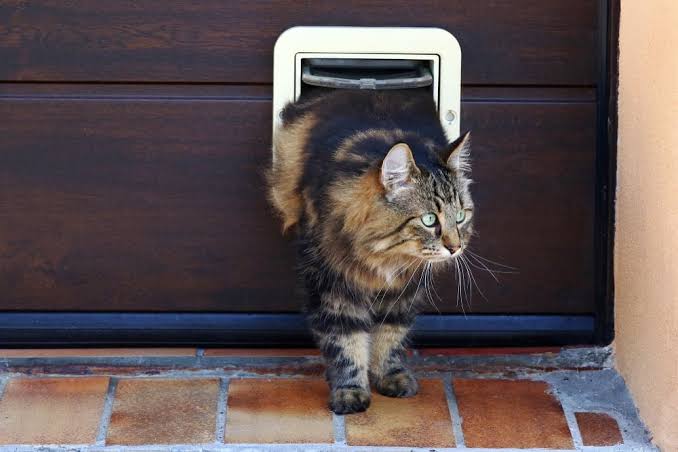
Have you ever watched your furry friend scratch impatiently at the garage door, desperate to get out for a quick bathroom break or some fresh air? It is a common dilemma for pet owners who use their garage as a primary entry point but lack a convenient way for their animals to come and go freely. If you are asking yourself, “can you install a pet door in a garage door,” the short answer is yes, but it requires careful planning to avoid damaging expensive hardware or compromising your home’s security.
Installing a pet door in a garage door is significantly different from installing one in a standard wooden interior door or even an exterior wall. Garage doors are dynamic structures; they move, vibrate, and are often made of materials like thin steel or aluminum that do not hold screws well. Furthermore, the insulation and structural integrity of the door must be maintained to ensure energy efficiency and safety. In this guide, we will walk you through everything you need to know, from choosing the right type of door to the actual installation process, ensuring both your pet’s comfort and your home’s safety.
Understanding the Challenges: Why Garage Doors Are Different
Before you pick up a drill, it is crucial to understand why garage doors present unique challenges compared to standard doors. Most residential garage doors are constructed from sectional panels made of steel, aluminum, wood, or fiberglass. These panels are often hollow or filled with lightweight insulation foam.
Material Matters
- Steel Doors: The most common type. They are durable but thin. Drilling into steel requires specific bits, and the metal can rust if not sealed properly after cutting.
- Wood Doors: Easier to work with but heavier. You must ensure the cut does not weaken the structural supports within the panel.
- Aluminum Doors: Lightweight and prone to bending. They require extra reinforcement around the pet door frame to prevent warping.
According to general construction principles, modifying a moving structure like a garage door can affect its balance and operation. If the door becomes too heavy on one side or if the tracks are misaligned due to improper installation, the garage door opener may fail prematurely. For more detailed information on garage door mechanics and safety standards, you can refer to Wikipedia’s article on Garage Doors.
Safety and Security Concerns
A poorly installed pet door can become a weak point in your home’s security. Burglars have been known to exploit small openings to reach inside and unlock the main door. Additionally, if the pet door is not sealed correctly, it can allow pests, rain, and cold air into your garage, potentially affecting any items stored there or the temperature of adjacent rooms.
Types of Pet Doors Suitable for Garage Doors
Not all pet doors are created equal. When dealing with a garage door, you need a product designed for durability and weather resistance.
| Type | Best For | Pros | Cons |
|---|---|---|---|
| Standard Flap Door | Mild climates, budget-conscious | Affordable, simple design | Less secure, poor insulation |
| Electronic/Magnetic Door | Security-focused homes | Only opens for your pet, locks automatically | Expensive, requires batteries/power |
| Heavy-Duty Steel Frame | Steel garage doors | Durable, resists chewing, weatherproof | Harder to install, heavier |
| Insert Panel Kit | Temporary solutions | No cutting required, portable | May not fit all door styles, less secure |
Recommendation: Go Electronic for Security
For garage doors, electronic pet doors are highly recommended. These doors use a sensor on your pet’s collar to unlock the flap only when your animal approaches. This prevents stray animals, raccoons, or intruders from entering your garage. While the upfront cost is higher, the peace of mind is invaluable.
Step-by-Step Guide: How to Install a Pet Door in a Steel Garage Door
If you have decided to proceed, here is a detailed, step-by-step guide for installing a pet door in a standard steel sectional garage door. Note: If you are uncomfortable using power tools or working with metal, hiring a professional is strongly advised.
Tools and Materials Needed
- Pet door kit (specifically designed for metal/thin doors)
- Power drill with metal drill bits
- Jigsaw with a metal-cutting blade
- Measuring tape and pencil
- Masking tape
- Silicone sealant (weatherproof)
- Rivet gun or self-tapping screws (if not included in kit)
- Safety glasses and gloves
Step 1: Choose the Right Location
Select a panel that is at a comfortable height for your pet. Avoid panels near the hinges or rollers, as these areas experience the most stress during movement. The bottom panel is often avoided because it is closer to the ground where water and debris accumulate, which can damage the door mechanism over time. Measure twice, cut once. Mark the center of the chosen panel.
Step 2: Prepare the Surface
Clean the area thoroughly to remove dirt and grease. Apply masking tape around the area where you will cut. This helps prevent the drill bit from slipping and reduces scratching on the surrounding paint.
Step 3: Drill Pilot Holes
Using the template provided with your pet door kit, mark the four corners of the cutout. Drill pilot holes at each corner. Use a slow speed on your drill to prevent overheating the metal. Tip: Keep a spray bottle of water nearby to cool the drill bit if necessary.
Step 4: Cut the Opening
Insert the jigsaw blade into one of the pilot holes. Carefully cut along the marked lines. Keep the saw steady and let the blade do the work. Do not force it, as this can bend the thin steel. Once the cut is complete, remove the metal piece and file down any sharp edges to prevent injury to your pet or yourself.
Step 5: Install the Pet Door Frame
Insert the inner and outer frames of the pet door into the opening. Ensure they are aligned perfectly. Secure them using the provided screws or rivets. If using screws, pre-drill holes to prevent the metal from cracking. Tighten securely but do not overtighten, which can strip the threads or warp the frame.
Step 6: Seal and Finish
Apply a generous bead of silicone sealant around the entire perimeter of the frame, both inside and outside. This creates a watertight seal and prevents rust from forming on the cut edges. Wipe away any excess sealant with a damp cloth. Allow the sealant to cure for at least 24 hours before allowing your pet to use the door.
Maintenance and Long-Term Care
Installing the door is just the beginning. To ensure longevity, regular maintenance is essential.
- Inspect Seals Monthly: Check the silicone sealant for cracks or gaps. Reapply as needed to prevent water intrusion.
- Lubricate the Flap: If your pet door has a hinge, lubricate it occasionally to keep it swinging freely.
- Check for Rust: Look for any signs of rust around the cut edges. Touch up with paint if necessary.
- Test the Mechanism: If using an electronic door, replace batteries regularly and test the sensor to ensure it is responding correctly.
FAQ Section
1. Will installing a pet door void my garage door warranty?
In many cases, yes. Modifying the structure of the door by cutting a hole can void the manufacturer’s warranty. Always check your warranty terms before proceeding. Some manufacturers may allow modifications if done by a certified professional.
2. Can I install a pet door in an insulated garage door?
Yes, but it is more challenging. You will need to cut through both the outer and inner steel layers, as well as the insulation foam. Ensure you use a longer blade for your jigsaw and seal the exposed insulation edges to prevent moisture absorption.
3. Is it safe to let my pet use the garage door at night?
If you have a standard flap door, it is not secure. Stray animals or intruders could push through. An electronic pet door is much safer as it locks automatically. Alternatively, you can manually lock the flap at night if your pet does not need overnight access.
4. What size pet door should I choose?
Measure your pet from the floor to the top of their shoulders (withers) and add 2–3 inches for clearance. Also, measure their width and add 2 inches. Most kits come in small, medium, and large sizes. Choose the smallest size that comfortably fits your pet to maintain better insulation and security.
5. Can I install a pet door in a rolling steel garage door?
No. Rolling steel doors (common in commercial settings or older homes) consist of interlocking slats. Cutting into these slats would destroy the door’s ability to roll up and down. Pet doors are only suitable for sectional panel doors.
Conclusion
So, can you install a pet door in a garage door? Absolutely. It is a fantastic solution for providing your pets with independence and reducing the hassle of constant door-opening. However, it is not a trivial DIY project. It requires the right tools, careful planning, and attention to detail to ensure the door remains secure, weatherproof, and functional.
By choosing a high-quality, preferably electronic, pet door and following the installation steps meticulously, you can create a safe and convenient passage for your furry companion. Remember, if you are unsure about any step, consulting a professional garage door technician is always the safest route.
Did you find this guide helpful? Share it with fellow pet owners on social media who might be struggling with the same question! Let’s help our pets live happier, more independent lives.
Leave a Reply