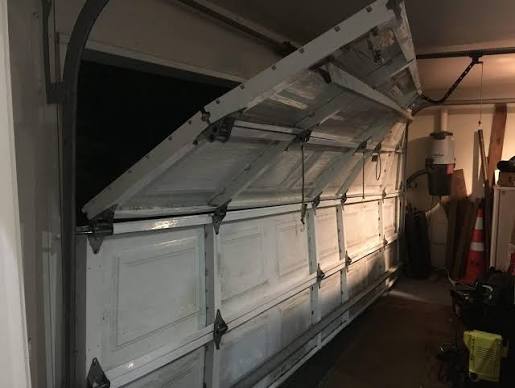
Have you ever come home to find your garage door damaged and wondered, “Can you claim a broken garage door on insurance?” It’s a frustrating situation that many homeowners face, whether from accidental damage, severe weather, or unexpected wear and tear. Understanding your insurance policy can save you hundreds—or even thousands—of dollars in repair costs.
When Does Home Insurance Cover a Broken Garage Door?
The short answer is: it depends on the cause of the damage. Most standard homeowners insurance policies cover garage doors under the “other structures” or “dwelling” coverage, but only for specific perils listed in your policy.
Covered Perils Typically Include:
- Weather-related damage: Hail, windstorms, lightning strikes, or falling trees during storms
- Vandalism or theft: If someone intentionally damages your garage door or breaks in
- Fire damage: Whether from electrical issues, accidents, or external fires
- Vehicle impact: If a car accidentally crashes into your garage door (covered under certain circumstances)
- Falling objects: Tree branches, debris, or other items that fall onto the door
According to the Insurance Information Institute, approximately 1 in 5 homeowners file at least one property claim every five years, with weather-related damage being among the most common reasons.
What’s Usually NOT Covered?
Understanding exclusions is just as important as knowing what’s covered:
| Not Covered | Reason |
|---|---|
| Normal wear and tear | Considered maintenance responsibility |
| Lack of maintenance | Rust, old springs, or neglected repairs |
| Intentional damage by homeowner | Fraud exclusion applies |
| Earthquake or flood damage | Requires separate specialized policies |
| Mechanical failure | Unless caused by a covered peril |
Pro tip: Always review your policy declarations page to understand your specific coverage limits and deductibles.
How Much Will Insurance Pay for Garage Door Repair?
The amount your insurance company pays depends on several factors:
1. Your Deductible Amount
Your deductible is the portion you pay out-of-pocket before insurance kicks in. Common deductibles range from $500 to $2,000. If your garage door repair costs $800 and your deductible is $1,000, filing a claim wouldn’t make financial sense.
2. Coverage Limits
Most policies cover garage doors under dwelling coverage (typically 80-100% of your home’s insured value) or other structures coverage (usually 10% of dwelling coverage). For example, if your home is insured for $300,000, your other structures coverage might be $30,000.
3. Actual Cash Value vs. Replacement Cost
- Actual Cash Value (ACV): Pays what the door was worth at the time of damage, minus depreciation
- Replacement Cost Value (RCV): Pays to replace the door with a similar new one, without deducting for age
Expert insight: “Many homeowners don’t realize their policy might only pay actual cash value for older garage doors,” says Sarah Mitchell, a licensed insurance adjuster with 15 years of experience. “Always check whether you have replacement cost coverage.”
Step-by-Step Guide: How to File a Garage Door Insurance Claim
If you determine that filing a claim makes sense, follow these steps carefully:
Step 1: Document the Damage Immediately
Take clear, well-lit photos from multiple angles. Include:
- Close-ups of the damage
- Wide shots showing context
- Any surrounding damage (walls, vehicles, etc.)
- Date-stamped images if possible
Step 2: Prevent Further Damage
Make temporary repairs to prevent additional harm. Keep all receipts, as insurance may reimburse these costs. For example:
- Use plywood to secure a broken panel
- Apply tarps to prevent water intrusion
- Hire emergency services if needed
Step 3: Contact Your Insurance Company
Call your insurer’s claims department within 24-48 hours. Have ready:
- Your policy number
- Date and time of incident
- Detailed description of what happened
- Photos and documentation
Step 4: Get Professional Estimates
Obtain at least two written estimates from licensed garage door repair companies. Reputable contractors should provide:
- Itemized breakdown of costs
- Labor and materials separately listed
- Timeline for completion
- Warranty information
Step 5: Meet with the Insurance Adjuster
An adjuster will inspect the damage to verify your claim. Be present during the inspection to:
- Point out all damage areas
- Provide your documentation
- Answer questions about the incident
- Share your repair estimates
Step 6: Review the Settlement Offer
Carefully examine the insurer’s payment offer. Ensure it covers:
- All documented damage
- Reasonable repair costs
- Any additional living expenses if applicable
If the offer seems low, you can negotiate or request a second inspection.
Factors That Affect Your Claim Approval
Several elements influence whether your claim gets approved and how much you receive:
Policy Type and Coverage Details
Not all policies are created equal. Basic HO-3 policies (the most common) cover named perils for personal property but all-risk for the dwelling. Higher-tier policies like HO-5 offer broader coverage.
Claims History
If you’ve filed multiple claims recently, insurers may:
- Increase your premiums significantly
- Non-renew your policy
- Require higher deductibles
Statistical fact: Homeowners who file more than two claims in five years see average premium increases of 20-40%, according to industry data.
Timing of the Claim
File promptly! Most policies require claims within one year of the incident, but waiting too long can:
- Make damage assessment difficult
- Raise suspicion about the cause
- Result in denied claims due to policy violations
Quality of Documentation
Strong documentation leads to faster approvals and fairer settlements. Weak documentation often results in:
- Lower payout offers
- Extended investigation periods
- Potential claim denial
Should You File a Claim or Pay Out-of-Pocket?
This critical decision depends on your specific situation. Consider this comparison:
| File a Claim | Pay Out-of-Pocket |
|---|---|
| Damage exceeds deductible by $1,000+ | Repair cost is close to or below deductible |
| Major structural damage involved | Minor cosmetic issues |
| First claim in several years | Multiple recent claims already filed |
| Covered peril clearly documented | Cause of damage is unclear or excluded |
| Financial hardship prevents self-payment | You have emergency funds available |
Rule of thumb: If the repair cost is less than 1.5 times your deductible, paying out-of-pocket is usually smarter to avoid premium increases and potential non-renewal.
Frequently Asked Questions
Q: Does homeowners insurance cover garage door opener malfunction?
A: Generally, no. Mechanical or electrical failures due to age or normal use are considered maintenance issues. However, if a power surge from lightning destroys your opener, that might be covered under your policy’s electrical damage provisions.
Q: Will my insurance rates increase after filing a garage door claim?
A: Possibly. Most insurers review claims history when determining premiums. A single small claim might not trigger an increase, but multiple claims within a few years likely will. Some states have laws limiting rate increases for certain types of claims.
Q: Can I choose my own repair contractor?
A: Yes, you have the right to select your preferred contractor. However, insurers may recommend preferred vendors who have negotiated rates. You’re not obligated to use them, but compare quotes carefully to ensure fair pricing.
Q: What if the damage was caused by a neighbor’s tree falling on my garage?
A: Your insurance typically covers the damage regardless of fault. Your insurer may pursue subrogation against the neighbor’s insurance if negligence is proven, but you should file with your own company first for faster resolution.
Q: How long does a garage door insurance claim take to process?
A: Simple claims often settle within 2-3 weeks. Complex cases involving investigations, multiple estimates, or disputes can take 1-3 months. Stay in regular contact with your adjuster to expedite the process.
Q: Is there a time limit for filing a garage door insurance claim?
A: Most policies require filing within one year of the incident, though some allow up to two years. Check your specific policy language. Filing sooner rather than later strengthens your claim and speeds up resolution.
Leave a Reply