Introduction
Have you ever stood in your driveway, pressing your remote, only to realize your garage door won’t budge? It is a frustrating moment, but you are not alone. If you are wondering, “Can you change the battery in a garage door opener?“, the short answer is a resounding yes, and this comprehensive guide will show you exactly how to do it safely and efficiently.
Can You Change The Battery In A Garage Door Opener?
Yes, you absolutely can. In fact, replacing the battery is a standard part of routine home maintenance. Most modern garage door opener systems, including popular brands like LiftMaster, Chamberlain, and Genie, are designed with user-replaceable batteries.
According to the International Door Association (IDA), over 30% of all garage door service calls are related to simple power or battery issues that homeowners can easily fix themselves. By learning how to handle this minor repair, you can save anywhere from $75 to $150 in professional service fees and avoid being locked out of your garage during a power outage.
What Kind of Battery Does a Garage Door Opener Use?
Before you head to the hardware store, it is crucial to identify which battery needs replacing. There are two distinct battery types in a typical garage door system:
| Battery Type | Typical Use Case | Common Battery Models | Average Lifespan |
|---|---|---|---|
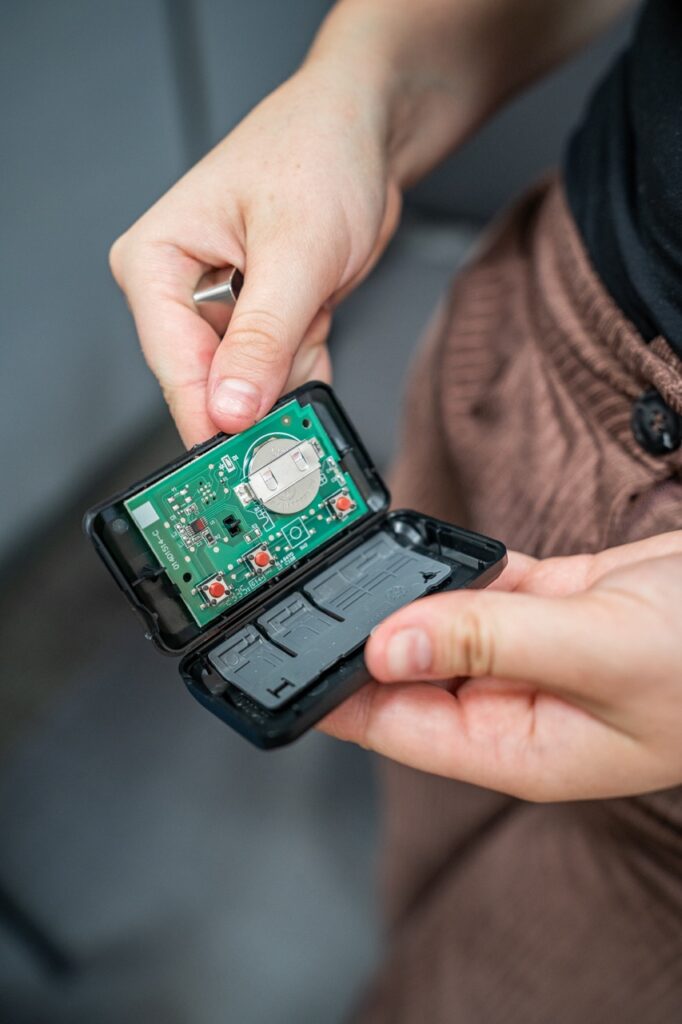
| Remote Control Battery | Powers the handheld clicker or visor remote. | 12V (A23, A27) or 3V Coin Cell (CR2032) | 1 to 2 years |
| Backup Battery Unit | Powers the main motor during a power outage. | 12V 4.5Ah or 5.0Ah Sealed Lead-Acid (SLA) | 1 to 3 years |
How to Know If Your Garage Door Opener Battery Is Dead
Do not guess; look for these clear warning signs that indicate your battery is failing:
- Reduced Remote Range: You have to stand unusually close to the garage door for the remote to work.
- Intermittent Beeping: Many LiftMaster and Chamberlain models emit a loud beep every 30 seconds to alert you that the backup battery is low.
- Wall Control Works, Remote Does Not: This often points to a dead remote battery rather than a main unit issue.
- Failure During Power Outages: If the power goes out and the door refuses to open manually via the backup system, the backup battery is likely depleted.
Step-by-Step Guide: How to Change the Backup Battery
Replacing the main backup battery is slightly more involved than swapping a remote battery, but it is entirely manageable for a beginner. Follow these concrete steps for a safe replacement.
Tools and Materials Needed:
- 12V 4.5Ah (or 5.0Ah) Sealed Lead-Acid replacement battery
- Phillips head screwdriver
- Safety gloves and glasses
- A small wire brush (optional, for cleaning terminals)
Step 1: Disconnect the Power
Safety first. Unplug the garage door opener from the wall outlet or turn off the dedicated circuit breaker. This prevents any risk of electrical shock while you work.
Step 2: Locate the Battery Compartment
The backup battery is usually housed in a black plastic compartment attached to the back or side of the main motor unit. Use your Phillips head screwdriver to remove the two or four screws securing the cover.
Step 3: Remove the Old Battery
Put on your safety gloves. Carefully disconnect the wires from the old battery. Always remove the red (positive) wire first, followed by the black (negative) wire. This prevents accidental short-circuiting. Lift the old battery out of the compartment.
Step 4: Install the New Battery
Place the new battery into the compartment. Attach the red wire to the positive (+) terminal first, then attach the black wire to the negative (-) terminal. Ensure the connections are snug but do not overtighten the screws, as this can strip the terminals.
(Note: Most modern units use a sealed lead-acid battery, which is a safe, maintenance-free type of lead-acid battery designed specifically for indoor backup power applications.)
Step 5: Restore Power and Test
Replace the battery compartment cover and secure it with the screws. Plug the opener back in or restore the circuit breaker. You may hear a single beep, which is the system acknowledging the new battery. Allow the battery to charge for 4 to 6 hours before testing it during a simulated power outage.
Expert Tips for Maximizing Battery Lifespan
To get the most out of your new battery, consider these professional maintenance tips:
- Keep It Clean: Dust and debris can cause terminal corrosion. Wipe the compartment gently with a dry cloth every six months.
- Avoid Extreme Temperatures: Garages can get very hot or cold. If possible, insulate your garage door to moderate the temperature, which significantly extends battery life.
- Test Monthly: Press the “Test” button on the backup battery unit (if equipped) once a month to ensure it holds a charge and the motor engages properly.
As certified garage door technician Mark Reynolds notes, “Homeowners who perform a simple visual inspection and monthly test can extend a backup battery’s functional life from the average 18 months to a full 3 years.”
Frequently Asked Questions (FAQ)
Q1: Can I use a standard car battery in my garage door opener?
A: No, you should not. Car batteries are flooded lead-acid batteries that can leak hazardous acid and emit hydrogen gas. Garage door openers require sealed, valve-regulated lead-acid (VRLA) batteries designed for safe, enclosed indoor use.
Q2: How much does it cost to replace a garage door opener battery?
A: A replacement remote battery typically costs between $5 and $10. A full backup battery unit for the main opener generally ranges from $30 to $60, depending on the brand and amp-hour capacity.
Q3: Why does my garage door opener beep after I change the battery?
A: A single beep is normal and indicates the system has detected the new battery. However, if it beeps continuously, double-check that the red and black wires are connected to the correct terminals and are fully seated.
Q4: Can a dead garage door battery damage the opener?
A: A simply depleted battery will not damage the opener. However, if an old battery is left in the unit for years, it can swell or leak acid, which may corrode the internal wiring and damage the battery compartment.
Q5: How often should I replace the backup battery?
A: Industry best practices recommend replacing the backup battery every 1 to 2 years to ensure reliable performance during unexpected power outages.
Conclusion
Knowing that you can change the battery in a garage door opener empowers you to take control of your home’s security and convenience. By following this simple, step-by-step guide, you can avoid costly service calls, ensure your garage remains accessible during power outages, and extend the lifespan of your equipment.
Did you find this guide helpful? Share this article on Facebook, X (Twitter), or Pinterest to help your friends and family avoid the frustration of a dead garage door battery! If you have any questions or experiences to share, leave a comment below.
Leave a Reply