Introduction
Hearing that distinct crunch of metal or seeing a dent in your garage door can instantly ruin your day. It raises an immediate, stressful question: Can you buy just one panel for a garage door, or are you forced to replace the entire expensive unit? Many homeowners assume the worst, fearing a bill that runs into thousands of dollars. However, the answer is often more nuanced—and potentially much cheaper—than you might think. In this guide, we will break down exactly when single-panel replacement is viable, how to do it correctly, and when you should call in the professionals.
Is It Possible to Replace Only One Garage Door Panel?
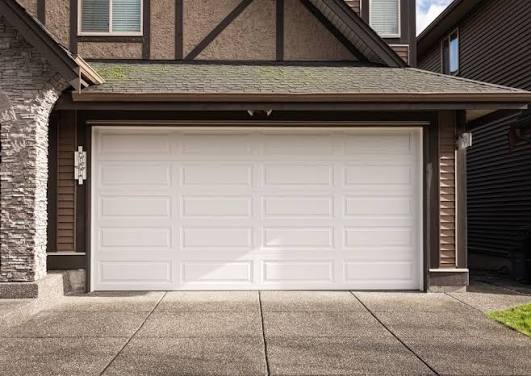
The short answer is yes, but with significant caveats. Technically, most sectional garage doors are constructed from individual horizontal sections (panels) hinged together. This modular design suggests that swapping out a single damaged section should be straightforward. However, practicality often clashes with theory.
While you can physically remove one panel and install a new one, several factors determine if this is a smart move:
- Availability: Manufacturers frequently update their designs, colors, and textures. If your door is more than five years old, finding an exact match may be impossible.
- Structural Integrity: A damaged panel often indicates underlying issues with the tracks, rollers, or springs that must also be addressed.
- Cost vs. Value: Sometimes, the labor cost to replace one panel approaches the cost of a new, more efficient door.
According to industry standards, if the door is relatively new (under 5–7 years) and the manufacturer still produces the same model, single-panel replacement is a viable option. For older doors, full replacement is usually recommended to ensure uniform appearance and performance.
Why Would You Want to Replace Just One Panel?
Understanding the “why” helps clarify the decision-making process. Homeowners typically consider this route for three main reasons:
- Cost Savings: A single panel costs significantly less than a whole new door.
- Minor Damage: If the damage is isolated (e.g., a car backed into the bottom panel), the rest of the door may function perfectly.
- Aesthetic Preservation: If you have a custom-designed door that matches your home’s architecture, replacing the whole unit might disrupt the visual harmony.
However, it is crucial to weigh these benefits against the potential downsides, such as color mismatching due to sun fading on the older panels.
Factors That Determine If Single-Panel Replacement Is Feasible
Before you head to the hardware store, evaluate these critical factors. Ignoring them can lead to wasted money and a door that looks patched rather than repaired.
1. Age and Model Availability
This is the most significant hurdle. Garage door manufacturers do not keep inventory of every model indefinitely.
- Newer Doors (0–5 years): High likelihood of finding a match.
- Older Doors (5–10+ years): Low likelihood. You may need to special order, which can take weeks, or settle for a close-but-not-exact match.
2. Type of Damage
Not all damage is created equal.
- Cosmetic Dents: If the panel is dented but structurally sound, repair might be better than replacement.
- Structural Cracks: If the metal is cracked or the insulation is compromised, replacement is necessary.
- Track Alignment Issues: If the panel was damaged because the track was misaligned, simply replacing the panel won’t fix the root cause.
3. Color and Finish Matching
Even if you find the exact model number, sun exposure causes older panels to fade. A brand-new panel will look noticeably brighter than the surrounding aged panels. Some homeowners choose to paint the entire door after replacing one panel to ensure a uniform look.
Step-by-Step Guide: How to Replace a Single Garage Door Panel
If you have determined that single-panel replacement is the right choice, follow these steps carefully. Warning: Garage doors are under high tension. If you are not comfortable working with heavy objects and tools, hire a professional.
Tools You Will Need:
- Socket wrench set
- Screwdrivers (Phillips and flathead)
- Pliers
- Ladder
- Safety glasses and gloves
- C-clamps or locking pliers (to secure the door)
The Process:
- Disconnect the Opener: Pull the emergency release cord to disconnect the door from the automatic opener. Manually lower the door completely.
- Secure the Door: Use C-clamps on the tracks below the bottom roller of the panel above the one you are replacing. This prevents the door from sliding down unexpectedly.
- Remove Hardware: Unscrew the hinges and rollers attached to the damaged panel. Keep track of which screws go where; taking photos before disassembly is highly recommended.
- Extract the Damaged Panel: Carefully slide the damaged panel out from between the adjacent panels. This may require wiggling it free from the interlocking edges.
- Install the New Panel: Slide the new panel into place. Ensure it sits flush with the neighboring panels.
- Reattach Hardware: Reinstall the hinges and rollers. Tighten all bolts securely, but do not overtighten, as this can strip the threads.
- Test the Movement: Remove the C-clamps. Manually lift and lower the door to ensure it moves smoothly without binding.
- Reconnect the Opener: Once manual operation is smooth, reconnect the automatic opener and test the safety sensors.
For more detailed technical specifications on garage door components, you can refer to general engineering principles outlined on Wikipedia’s Garage Door page.
Cost Comparison: One Panel vs. Full Door Replacement
Let’s look at the numbers. Costs vary by region and material, but here is a general estimate for the US market.
| Item | Estimated Cost (USD) | Notes |
|---|---|---|
| Single Panel (Material Only) | $150 – $400 | Depends on material (steel, wood, aluminum) |
| Labor for Single Panel | $200 – $400 | Professional installation fee |
| Total Single Panel Repair | $350 – $800 | |
| New Standard Garage Door | $800 – $2,500 | Includes installation |
| High-End/Custom Door | $2,500 – $5,000+ | Insulated, wood, or smart features |
Key Takeaway: If the total cost of single-panel repair exceeds 50% of the cost of a new door, it is often wiser to replace the entire unit. A new door offers better insulation, updated safety features, and a fresh warranty.
Pros and Cons of Replacing a Single Panel
To help you decide, here is a quick breakdown of the advantages and disadvantages.
Advantages
- Lower Immediate Cost: Significantly cheaper upfront than a full replacement.
- Less Disruption: The job can often be completed in 2–3 hours.
- Eco-Friendly: Reduces waste by keeping functional parts in use.
Disadvantages
- Color Mismatch: New panels rarely match the faded color of old ones perfectly.
- Limited Availability: Older models may be discontinued.
- Potential Hidden Costs: If hinges or tracks are worn, they may need replacement too, increasing the bill.
- Resale Value: A patched door may look less appealing to potential homebuyers compared to a pristine new door.
When Should You Replace the Entire Garage Door Instead?
There are clear signs that single-panel repair is not the right solution. Consider a full replacement if:
- Multiple Panels Are Damaged: If more than one section is dented or bent, the structural integrity is compromised.
- The Door Is Over 15 Years Old: Older doors lack modern safety features and insulation standards.
- Frequent Breakdowns: If you are constantly repairing different parts, you are throwing good money after bad.
- Noise Issues: Excessive grinding or squeaking often indicates worn-out internal mechanisms that a new panel won’t fix.
- Energy Efficiency Goals: New insulated doors can significantly reduce heating and cooling costs, providing long-term savings.
FAQ Section
1. Can I replace a garage door panel myself?
Yes, if you are handy and have the right tools. However, garage doors are heavy and under tension. If you are unsure about safely supporting the door or handling the springs, it is safer to hire a professional. Incorrect installation can lead to injury or further damage.
2. How long does it take to replace one garage door panel?
A professional technician can typically replace a single panel in 2 to 4 hours. A DIYer might take longer, especially if it is their first time working on a garage door mechanism.
3. Will a new panel match the color of my old door?
It depends. If the door is new, the match should be close. However, if the existing door has been exposed to sunlight for several years, the old panels will likely be faded. The new panel will appear brighter. Painting the entire door after installation is the best way to ensure a uniform appearance.
4. Is it worth repairing an old garage door?
Generally, no. If your door is over 15 years old, repairs are often temporary fixes. Investing in a new door provides better security, insulation, and reliability, which can increase your home’s value.
5. What materials are garage door panels made of?
Common materials include steel (durable and low maintenance), aluminum (lightweight and rust-resistant), wood (aesthetic but high maintenance), and fiberglass (resistant to dents but can crack). Choose a material that matches your existing door for the best result.
6. Does insurance cover garage door panel replacement?
It depends on your policy and the cause of damage. If the damage was caused by a covered peril (like a storm or vandalism), your homeowner’s insurance may cover it minus your deductible. Accidental damage (like hitting it with your car) is typically not covered unless you have specific comprehensive coverage. Check with your insurer.
Conclusion
So, can you buy just one panel for a garage door? Yes, you can, but it is not always the best financial or aesthetic choice. If your door is relatively new and the damage is isolated, single-panel replacement is a cost-effective solution that can restore functionality quickly. However, for older doors, or when color matching is a concern, replacing the entire unit often provides better long-term value and curb appeal.
Always assess the age of your door, the availability of parts, and the extent of the damage before making a decision. If you are unsure, consult with a local garage door specialist for a professional assessment.
Did this guide help you decide on your next step? Share this article with friends or family who might be facing similar garage door dilemmas! Let’s help each other keep our homes safe and looking great.
Leave a Reply