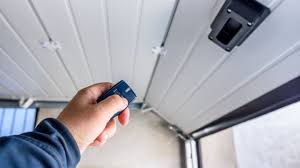
It is incredibly frustrating to sit in your driveway after a long day, press your garage door button, and hear absolutely nothing. If you are dealing with this issue, you might be asking yourself: can weather affect the functioning of my garage door remote? The short answer is yes, and understanding how temperature and moisture impact your device can save you a lot of time, stress, and money.
Can Weather Affect The Functioning Of My Garage Door Remote?
Yes, extreme weather conditions can absolutely disrupt your garage door remote. These devices rely on radio frequencies (RF) to communicate with the motor.
When the environment changes drastically, it can interfere with this delicate wireless connection. According to the International Door Association (IDA), temperature fluctuations and moisture are among the leading causes of seasonal garage door maintenance calls.
Understanding the science behind these interruptions is the first step toward fixing the problem. Let’s break down exactly how different weather elements impact your remote’s performance.
How Does Extreme Cold Impact Battery Life and Signals?
Winter weather is notoriously hard on electronics. When temperatures drop below freezing (32°F or 0°C), two major issues occur: battery drain and signal attenuation.
The Battery Chemistry Problem
Garage door remotes typically use standard alkaline or lithium coin-cell batteries. These batteries rely on internal chemical reactions to generate power. In freezing temperatures, these chemical reactions slow down significantly.
In fact, battery performance studies show that standard alkaline batteries can lose up to 20% to 30% of their effective capacity in freezing weather. This means a battery that works perfectly in July might appear completely dead in January.
Signal Attenuation in Cold Air
Cold air is denser than warm air. This increased density can slightly absorb and scatter radio waves. If your remote is already struggling with a weak battery, the dense cold air can be the final straw that prevents the signal from reaching the opener.
Can Heat and Humidity Cause Remote Malfunctions?
While cold weather gets all the attention, extreme summer heat and high humidity can be just as destructive.
Thermal Expansion
Intense heat causes the internal plastic and metal components of your remote to expand. Over time, this thermal expansion can loosen solder joints or slightly misalign the internal antenna. If the antenna shifts even a millimeter, the remote’s range will drastically decrease.
Moisture and Radio Wave Absorption
High humidity means there is more water vapor in the air. Water is highly effective at absorbing radio frequencies, particularly the 315 MHz and 390 MHz frequencies commonly used by garage door openers.
If you live in a highly humid coastal area, the moisture in the air can literally block the signal from reaching your garage. To understand more about how these systems transmit data, you can read about the mechanics of a garage door opener on Wikipedia.
Step-by-Step: How to Weatherproof Your Garage Door Remote
You do not have to just accept weather-related remote failures. Follow this step-by-step tutorial to weatherproof your device and ensure reliable performance year-round.
Step 1: Upgrade Your Battery Open the remote and replace the old battery. Instead of a standard alkaline battery, use a high-quality lithium battery. Lithium chemistry handles extreme temperatures much better, maintaining up to 90% of its capacity even in freezing conditions.
Step 2: Clean the Internal Contacts Dirt and microscopic corrosion can block the electrical flow. Dip a cotton swab in 90% isopropyl alcohol and gently clean the metal contacts where the battery sits. Let it dry completely for 3 minutes before reinserting the battery.
Step 3: Check the Weather Stripping Moisture entering the garage can affect the main opener unit, not just the remote. Inspect the bottom rubber seal of your garage door. If it is cracked or brittle, replace it to keep humid air and rain out of the motor housing.
Step 4: Reprogram the Remote Sometimes, the logic board in the main opener just needs a fresh sync. Press the “Learn” button on your main garage motor (usually located on the back) until the LED blinks. Then, press and hold the button on your remote for 5 seconds to re-establish a strong, clear connection.
Text Infographic: Standard vs. Lithium Batteries in Extreme Weather
Choosing the right battery is your best defense against the weather. Here is a quick comparison to help you decide.
| Feature | Standard Alkaline Battery | Premium Lithium Battery |
|---|---|---|
| Performance in Freezing Cold | Drops by 20% – 30% | Maintains 90%+ capacity |
| Performance in High Heat | Prone to leaking and corrosion | Highly resistant to leaking |
| Lifespan in Remote | 1 to 2 years | 3 to 5 years |
| Cost | Very cheap ($2 – $4) | Slightly higher ($5 – $8) |
| Verdict | Good for mild climates | Best for extreme weather |
Frequently Asked Questions
Why does my garage door remote only work when I’m very close?
If you have to stand right next to the door for the remote to work, you are likely experiencing signal interference or a weak battery. Check for LED light bulbs in your garage door opener, as certain non-shielded LED bulbs emit radio frequency interference that blocks remote signals.
Should I bring my garage door remote inside during winter?
If you park your car outside in sub-zero temperatures, yes! Leaving the remote in a freezing car all night will drain the battery rapidly. Bringing the remote into your warm house overnight keeps the battery chemistry active and preserves its lifespan.
How do I know if my remote battery is dead or just affected by cold?
The easiest way to tell is to bring the remote inside your house and let it warm up to room temperature (around 70°F or 21°C) for 15 minutes. If it works perfectly after warming up, the cold was the culprit. If it still fails, the battery is truly dead and needs replacing.
Can heavy rain short-circuit my garage door remote?
Modern remotes are housed in plastic casings that offer basic splash resistance. However, they are not fully waterproof. If heavy rain gets inside the battery compartment, it can short-circuit the logic board. Always keep your remote in a dry visor clip or your center console.
Conclusion
Dealing with a stubborn garage door is a hassle, but it does not have to be a permanent problem. By understanding how extreme temperatures, humidity, and cold air affect your device, you can take proactive steps to maintain it. Upgrading to a lithium battery, keeping the contacts clean, and protecting the unit from extreme car temperatures will ensure your remote works every time you press it.
Found this guide helpful? Please share it on Facebook, Twitter, or Pinterest to help your friends and family keep their garages running smoothly all year round! Your shares help us create more useful home maintenance tips.
Leave a Reply