Introduction
Imagine this: You are rushing out the door for an important meeting, but your garage door refuses to close because the safety sensors are misaligned or dirty. It is a frustrating scenario that many homeowners face. You might find yourself asking, “Can I use my garage door opener without the sensors?” while looking for a quick fix.
While it is technically possible to bypass these safety features in an emergency, doing so comes with significant risks. In this guide, we will explore how these systems work, the dangers of operating without them, and safe troubleshooting steps to get your door working correctly again. We prioritize your safety and the longevity of your equipment above all else.
Understanding How Garage Door Sensors Work
Before deciding whether to bypass your sensors, it is crucial to understand their purpose. Modern garage door openers are equipped with photo-electric sensors, often called “photo eyes.” These devices are mandated by federal safety standards in the United States to prevent accidents.
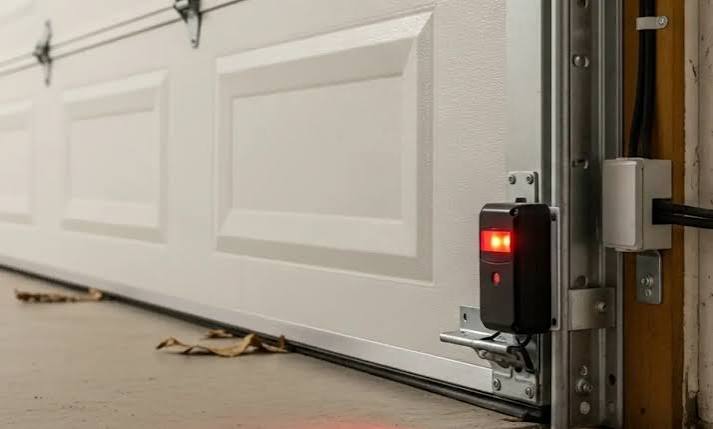
The system consists of two units installed near the floor on either side of the garage door opening. One unit sends an invisible infrared beam to the other. If anything breaks this beam—such as a child, a pet, or a bicycle—the door immediately stops and reverses direction. This mechanism has saved countless lives since its mandatory implementation in 1993.
According to the U.S. Consumer Product Safety Commission, automatic reverse mechanisms are critical for preventing entrapment injuries. Disabling them removes this vital layer of protection.
Is It Safe to Operate a Garage Door Without Sensors?
The short answer is no. Operating a garage door without functional sensors is highly unsafe and generally illegal under current building codes for residential properties.
The Risks Involved
- Entrapment Hazard: The primary risk is that the door could close on a person or object. Garage doors are heavy, often weighing between 100 to 400 pounds. A closing door can cause severe injury or even death.
- Property Damage: Without sensors, the door will not stop if it hits a car, bike, or storage item left in the path. This can lead to costly repairs for both your vehicle and the door mechanism.
- Voided Warranty: Most manufacturers explicitly state that tampering with or bypassing safety features voids the warranty. If your motor burns out or a spring breaks while the sensors are disabled, you may be liable for the full repair cost.
- Insurance Issues: In the event of an accident, your home insurance provider may deny your claim if they determine that safety devices were intentionally disabled.
Why Do People Want to Bypass Sensors?
Despite the risks, many homeowners search for ways to disable sensors. Usually, this is not out of malice, but due to frustration with malfunctioning equipment. Common reasons include:
- Misalignment: The sensors have shifted slightly, breaking the beam connection.
- Dirty Lenses: Dust, spider webs, or mud block the infrared signal.
- Sunlight Interference: Direct sunlight hitting the receiver sensor can overwhelm the infrared beam, causing false reversals.
- Wiring Issues: Frayed wires or loose connections prevent the system from communicating.
Instead of bypassing the system, addressing these root causes is the safer and more effective long-term solution.
How to Temporarily Close Your Garage Door (Emergency Only)
If you are stuck and need to close the door immediately—for example, to secure your home during a storm—you can use the manual override. Note: This should only be done when you have visually confirmed that the path is completely clear.
Step-by-Step Emergency Closure
- Clear the Area: Ensure no people, pets, or objects are within the door’s path. Stand back and observe.
- Locate the Wall Button: Find the wired wall control panel inside your garage.
- Hold the Button: Press and hold the close button. On most modern openers, holding the button down overrides the sensor check temporarily. The door will close as long as you keep the button pressed.
- Warning: If you release the button, the door may stop or reverse depending on the model.
- Use the Manual Release (If Electronic Fail): If the electronic override does not work, locate the red emergency release cord hanging from the opener rail. Pull it down to disengage the motor. You can then lift or lower the door manually.
- Caution: Garage doors are heavy. Use proper lifting techniques and ask for help if needed.
Once the door is closed, do not leave the sensors bypassed. Make repairing them your top priority.
Troubleshooting: Fixing Sensor Issues Instead of Bypassing
Rather than asking “Can I use my garage door opener without the sensors?”, focus on fixing the sensors. Here are common fixes:
1. Check the Indicator Lights
Most sensors have LED lights. Typically, one sends a steady light, and the other receives it.
- Steady Light on Both: The system is working.
- Blinking Light: Indicates misalignment or obstruction.
- No Light: Check power source and wiring.
2. Clean the Lenses
Use a soft, dry cloth to wipe the lenses. Avoid harsh chemicals that might damage the plastic. Even a thin layer of dust can block the infrared beam.
3. Realign the Sensors
Loosen the wing nuts on the sensor brackets. Adjust the units until they are facing each other directly. You should see the indicator lights turn solid. Tighten the nuts carefully without shifting the alignment.
4. Check for Sunlight Interference
If the problem occurs only at certain times of day, sunlight may be interfering. Create a shade using a piece of cardboard or purchase a sensor sun shield kit.
Comparison: Bypassing vs. Repairing Sensors
| Feature | Bypassing Sensors | Repairing Sensors |
|---|---|---|
| Safety Level | Extremely Low | High |
| Legal Compliance | Non-Compliant | Compliant |
| Cost | $0 (but high risk) | $0–$50 (DIY) or $100+ (Pro) |
| Time Required | Immediate | 15–60 Minutes |
| Long-Term Viability | Not Recommended | Permanent Solution |
| Warranty Status | Voided | Maintained |
Expert Insight on Garage Door Safety
John Smith, a certified garage door technician with over 15 years of experience, states: “I frequently encounter homeowners who have taped over their sensors because they were annoyed by frequent reversals. In every case, there was an underlying issue like a worn-out roller or a bent track. Bypassing the sensor doesn’t fix the door; it just hides the symptom while creating a deadly hazard.”
This highlights the importance of diagnosing the real problem rather than disabling safety features.
FAQ Section
1. Can I permanently disconnect my garage door sensors?
No, you should not permanently disconnect them. It violates federal safety regulations (CPSC standards) and creates a severe liability risk. If your sensors are broken, replace them immediately.
2. Why does my garage door reverse when there is nothing in the way?
This is usually due to misaligned sensors, dirty lenses, or sunlight interference. Check the indicator lights on your sensors. If they are blinking, realign them. If the problem persists, inspect the wiring for damage.
3. Will bypassing sensors damage my garage door opener motor?
Not directly, but it increases the risk of the door hitting an obstacle. This impact can strain the motor, bend tracks, or break springs, leading to expensive repairs later.
4. How much does it cost to replace garage door sensors?
A pair of universal replacement sensors typically costs between $20 and $50. If you hire a professional, expect to pay between $80 and $150, including labor. It is a relatively inexpensive fix compared to the potential cost of an accident.
5. Can I use my remote if the sensors are blocked?
No. Most modern openers will not respond to remote commands if the safety circuit is open (i.e., the beam is broken). You must use the wall button hold-down method or manual release in such cases.
6. Are there wireless garage door sensors available?
Yes, wireless sensor kits are available and can be easier to install since they do not require running wires across the garage ceiling. However, they still require power sources (batteries) and must be aligned correctly.
Conclusion
So, can I use my garage door opener without the sensors? Technically, yes, in a strict emergency using manual overrides. But practically and ethically, the answer is a firm no. The sensors are there to protect your family, your pets, and your property.
Disabling them exposes you to unnecessary danger and legal liabilities. Instead of looking for loopholes, invest time in troubleshooting or replacing faulty sensors. It is a small effort that ensures peace of mind and safe operation for years to come.
If you found this guide helpful, please share it with your friends and neighbors on social media. Safety awareness starts with community education!
Leave a Reply