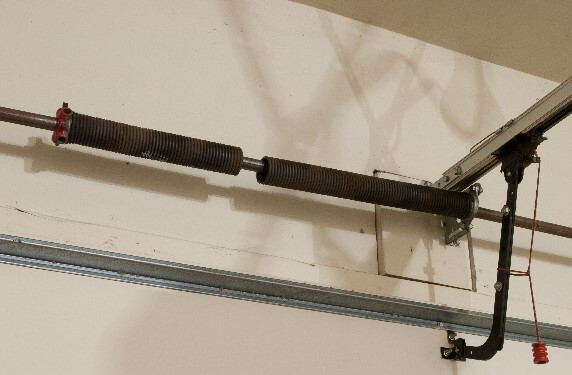
Have you ever walked out to your car, hit the garage door opener, and heard a loud bang followed by silence? It’s a startling experience that leaves many homeowners asking the same urgent question: Can I open my garage door if the spring broke? The short answer is technically yes, but it is extremely dangerous and strongly discouraged without professional help. Understanding why this is risky can save you from serious injury or further damage to your property.
Why Is a Broken Garage Door Spring So Dangerous?
Garage doors are heavy—often weighing between 150 to 400 pounds (68 to 181 kg). The springs are not just accessories; they are critical counterbalance mechanisms designed to lift this immense weight with minimal effort from the opener or your hands. When a spring breaks, that counterbalance is lost instantly.
According to the U.S. Consumer Product Safety Commission (CPSC), garage doors are one of the largest moving objects in most homes, and improper handling leads to thousands of injuries annually. Without the spring’s tension, the full weight of the door rests on the opener mechanism or your arms. Attempting to lift it manually can result in:
- Severe physical injury: Strained backs, crushed fingers, or even more traumatic accidents if the door slips.
- Damage to the opener: Your garage door opener motor is not designed to lift the full dead weight of the door. Forcing it can burn out the motor or strip the gears.
- Cable derailment: The cables that hold the door may slip off the drums, causing the door to fall unevenly or jam completely.
Expert Insight: “A broken torsion spring stores enough energy to cause life-threatening injuries if mishandled. Homeowners should never attempt to repair or bypass a broken spring themselves,” warns the International Door Association (IDA).
Can You Manually Lift a Garage Door with a Broken Spring?
If you find yourself in an emergency situation where you must access your garage, understanding the mechanics is crucial. However, please note: this is not a recommended practice for regular use.
The Reality of Manual Lifting
Without the spring’s assistance, you are lifting the entire weight of the door. For a standard single-car garage door, this could mean lifting over 200 pounds. Even for fit individuals, this poses significant risk because:
- The door is unbalanced: It may tilt to one side, binding in the tracks.
- There is no safety hold: Modern doors have auto-reverse features when powered, but manually lifted doors have no such protection. If you lose your grip, the door crashes down.
- Cables may be loose: If the spring broke violently, it may have damaged the cables or pulleys, making the door unstable.
If You Absolutely Must Open It (Emergency Only)
If you have no other choice and understand the risks, follow these cautious steps:
- Disconnect the opener: Pull the red emergency release cord to disengage the door from the automatic opener. This prevents the motor from resisting your manual lift.
- Get help: Never attempt this alone. Have at least one other person assist you to stabilize the door.
- Lift slowly and evenly: Stand on both sides of the door. Lift gradually, checking for binding in the tracks. If it feels stuck, do not force it.
- Secure the door open: Once fully open, use vice grips or C-clamps on the track below the bottom roller to prevent the door from sliding shut unexpectedly. Do not rely on the opener or any latch to hold it.
Torsion Springs vs. Extension Springs: Does It Matter?
Yes, the type of spring affects the danger level and repair complexity. Most modern homes use torsion springs, while older homes may have extension springs.
| Feature | Torsion Springs | Extension Springs |
|---|---|---|
| Location | Mounted above the door opening | Mounted along the horizontal tracks |
| Danger Level | Extremely High – Under high tension | High – Can snap and whip dangerously |
| Repair Difficulty | Requires specialized tools & expertise | Slightly easier but still risky |
| Lifespan | 10,000–20,000 cycles | 7,000–10,000 cycles |
For more detailed technical specifications on garage door components, you can refer to Wikipedia’s article on Garage Doors.
Signs Your Garage Door Spring Is About to Break
Prevention is always better than emergency response. Watch for these warning signs:
- Loud bang or snap: The most obvious sign. A broken spring often sounds like a gunshot.
- Door won’t open fully: The opener struggles, stops halfway, or reverses immediately.
- Visible gap in the spring: For torsion springs, look for a separation in the coils. For extension springs, check for a broken safety cable.
- Crooked door: The door appears tilted or uneven when closing.
- Opener strain: You hear the motor working harder than usual, or it smells like burning rubber.
How Much Does It Cost to Replace a Broken Spring?
Many homeowners hesitate to call a professional due to cost concerns. However, considering the risks, professional replacement is the only safe option.
- Average Cost: $150–$350 per spring, including labor.
- Torsion Spring Replacement: Typically $200–$400.
- Extension Spring Replacement: Typically $100–$200.
- Service Call Fee: Some companies charge $50–$100 just to diagnose the issue.
While DIY kits are available online, they rarely include the proper winding bars and safety instructions needed for torsion springs. One mistake can lead to hospital bills far exceeding the cost of professional repair.
FAQ Section
Q1: Can I use my garage door opener if the spring is broken?
A: No. Your opener is not designed to lift the full weight of the door. Using it will likely damage the motor, gears, or chain/belt drive, leading to a more expensive repair.
Q2: How long do garage door springs last?
A: Most standard springs are rated for 10,000 cycles (one open and one close = one cycle). For an average family, this translates to 7–10 years. Heavy-use households may see failures sooner.
Q3: Is it safe to sleep with a garage door that has a broken spring?
A: If the door is closed and secured, it is generally safe to leave it overnight. However, ensure it is fully closed and locked. Do not attempt to open it until a professional repairs the spring.
Q4: Can I replace just one spring if I have two?
A: It is highly recommended to replace both springs at the same time. If one has broken due to age and wear, the other is likely near the end of its life as well. Replacing both ensures balanced operation and prevents another breakdown soon.
Q5: What should I do immediately after hearing a spring break?
A: Stop using the door immediately. Disconnect the opener if the door is partially open. Contact a licensed garage door repair technician. Do not attempt to wind or adjust the remaining spring yourself.
Q6: Are there different types of garage door springs?
A: Yes, primarily torsion springs (mounted above the door) and extension springs (mounted on the sides). Torsion springs are more common in newer installations due to their smoother operation and longer lifespan.
Conclusion
So, can I open my garage door if the spring broke? While physically possible in an emergency with extreme caution, it is fraught with danger and potential for costly damage. The safest, smartest, and most cost-effective solution is to call a professional garage door technician. They have the right tools, training, and experience to replace the spring safely and ensure your door operates smoothly for years to come.
Don’t gamble with your safety. If your spring breaks, secure the area, avoid using the door, and schedule a repair immediately. Share this guide with friends and family to help them stay safe around their garage doors!
Leave a Reply