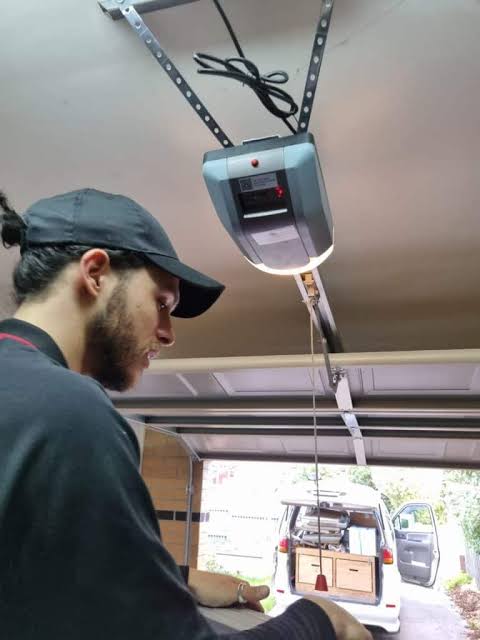
Have you ever stared at your silent garage door, wondering if a simple motor swap could bring it back to life? It is a frustrating scenario that many homeowners face. You might be asking yourself, “Can I just replace the garage door opener motor” without buying an entirely new unit? The short answer is: it depends on the model and age of your system. In this guide, we will break down the feasibility, costs, and safety considerations to help you make the best decision for your home.
Understanding the Garage Door Opener System
Before diving into the replacement process, it is crucial to understand how your garage door opener works. Most modern openers consist of three main components: the powerhead (which houses the motor and logic board), the rail (or track), and the trolley assembly.
The motor is the heart of the system, but it is rarely a standalone part in newer models. In many contemporary units, the motor is integrated into the main housing along with the circuit board. This integration means that replacing just the motor is often not possible without replacing the entire powerhead. However, older models or specific commercial-grade units may allow for individual motor replacements.
Why Integration Matters
Manufacturers have moved toward integrated designs to reduce manufacturing costs and improve reliability. While this is great for new installations, it complicates repairs for older systems. If your opener is less than 10 years old, there is a high probability that the motor and circuit board are a single sealed unit.
Signs Your Garage Door Motor Is Failing
How do you know if the motor is the culprit? Sometimes, the issue lies with the sensors, remote controls, or springs rather than the motor itself. Here are common signs that point specifically to motor failure:
- Unusual Noises: Grinding, screeching, or humming sounds without movement indicate internal gear or motor wear.
- Intermittent Operation: The door starts to move but stops abruptly, or it only works occasionally.
- Burning Smell: A distinct odor of burning plastic or electronics suggests the motor is overheating.
- Slow Movement: The door opens or closes significantly slower than usual, even after lubrication.
If you experience these issues, it is time to investigate further. However, always rule out simpler problems first, such as misaligned safety sensors or broken springs.
Can I Just Replace the Garage Door Opener Motor? The Feasibility Check
This is the core question: Can I just replace the garage door opener motor? For most residential homeowners, the answer is no, not as a standalone component. Here is why:
- Proprietary Designs: Most major brands (like Chamberlain, LiftMaster, and Genie) design their openers as complete units. The motor is wired directly into the main logic board.
- Availability of Parts: Individual motors are rarely sold to consumers. Even if you find one, it may require specialized tools and knowledge to install.
- Cost-Effectiveness: The labor and parts cost to replace just the motor often approach the price of a new, more efficient opener.
When Is It Possible?
There are exceptions. Some older chain-drive models or heavy-duty commercial openers may have replaceable motors. Additionally, if you have a separate “gear and sprocket” kit available for your model, you might be able to replace the internal gears that drive the motor, which can sometimes resolve noise and movement issues without replacing the entire motor.
For a deeper understanding of garage door mechanics, you can refer to general engineering principles on Wikipedia’s Garage Door page.
Cost Comparison: Motor Replacement vs. New Opener
Let’s look at the numbers. Understanding the financial implications will help you decide whether to repair or replace.
| Item | Estimated Cost | Notes |
|---|---|---|
| Standalone Motor (if available) | $50 – $150 | Rarely available for residential units. |
| Labor for Motor Swap | $100 – $200 | High complexity; few technicians offer this. |
| New Basic Opener Unit | $150 – $250 | Includes motor, rail, and modern features. |
| Professional Installation | $100 – $200 | Ensures safety and warranty validity. |
| Total Repair Cost | $150 – $350 | Often close to the cost of a new unit. |
| Total Replacement Cost | $250 – $450 | Includes new warranty and updated tech. |
As you can see, the cost difference is minimal. However, a new opener comes with a fresh warranty, improved security features (like rolling codes), and quieter operation.
Step-by-Step: Replacing the Entire Powerhead
Since replacing just the motor is rarely feasible, here is how you can replace the entire powerhead unit, which is the standard repair method. Note: If you are not comfortable working with electricity and heavy machinery, hire a professional.
Tools You Will Need:
- Stepladder
- Wrench set and socket set
- Screwdrivers (Phillips and flathead)
- Assistant (highly recommended)
- New garage door opener kit
The Process:
- Disconnect Power: Unplug the opener from the electrical outlet. This is critical for safety.
- Release Tension: Pull the emergency release cord to disconnect the trolley from the door. Manually close the door completely.
- Support the Old Unit: Have your assistant hold the old opener while you unscrew the mounting brackets from the ceiling joists.
- Disconnect Wiring: Carefully label and disconnect the wall button wires, sensor wires, and power cord. Take photos for reference.
- Remove the Old Unit: Lower the old opener and set it aside.
- Install the New Rail: Assemble the new rail according to the manufacturer’s instructions. Attach it to the header bracket above the door.
- Mount the New Powerhead: Lift the new motor unit onto the mounting brackets. Secure it tightly with bolts.
- Reconnect Wiring: Connect the wall button, sensors, and power cord. Ensure all connections are tight.
- Program the Remotes: Follow the manual to sync your remotes and keypad.
- Test Safety Features: Place an object in the door’s path to ensure the auto-reverse feature works correctly.
Safety First: Critical Considerations
Garage doors are heavy and under significant tension. Improper handling can lead to serious injury. Always prioritize safety:
- Never work on a door with broken springs. Springs store immense energy and should only be handled by trained professionals.
- Use proper support. Never rely on the opener to hold the door up during repairs.
- Check local codes. Some areas require permits or professional installation for garage door openers.
Frequently Asked Questions (FAQ)
1. Can I replace just the gears in my garage door opener?
Yes, for many models, you can replace the plastic or nylon gears inside the motor housing. This is a common fix for openers that hum but do not move. Gear kits are inexpensive ($10–$30) and widely available online.
2. How long does a garage door opener motor last?
On average, a garage door opener motor lasts between 10 to 15 years. Regular maintenance, such as lubricating the chain or screw drive, can extend its lifespan.
3. Is it better to repair or replace an old garage door opener?
If your opener is over 10 years old, replacement is usually the better option. Newer models are quieter, more secure, and energy-efficient. Repairing an old unit may only provide a temporary fix.
4. Can I install a new motor myself?
While DIY installation is possible, it requires mechanical aptitude and attention to safety. If you are unsure about electrical wiring or aligning the rail, hiring a professional is recommended to avoid voiding warranties or causing damage.
5. Why is my garage door opener making a grinding noise?
A grinding noise often indicates worn-out gears or a lack of lubrication. If the gears are stripped, they will need replacement. If the unit is well-lubricated and still grinds, the motor bearings may be failing, signaling the need for a new unit.
Conclusion
So, can I just replace the garage door opener motor? In most cases, no. The integrated design of modern openers makes standalone motor replacement impractical and often uneconomical. Instead, replacing the entire powerhead or the entire unit is the standard and most reliable solution.
By understanding the costs, safety risks, and benefits of a new system, you can make an informed decision that keeps your home secure and convenient. Don’t let a faulty opener disrupt your daily routine. Evaluate your options, prioritize safety, and consider upgrading to a modern, efficient model.
Found this guide helpful? Share it with your neighbors on social media who might be struggling with their garage doors!
Leave a Reply