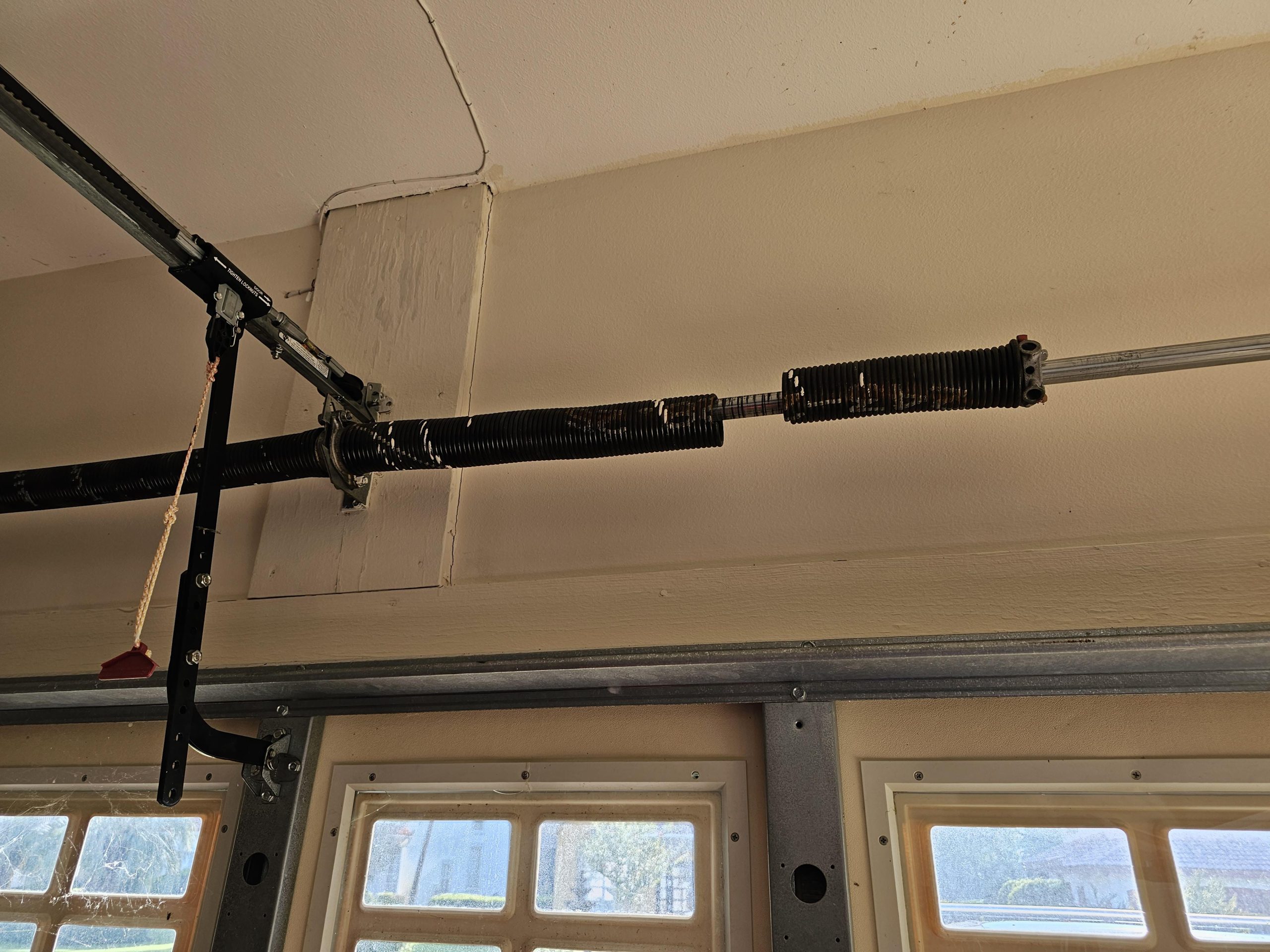
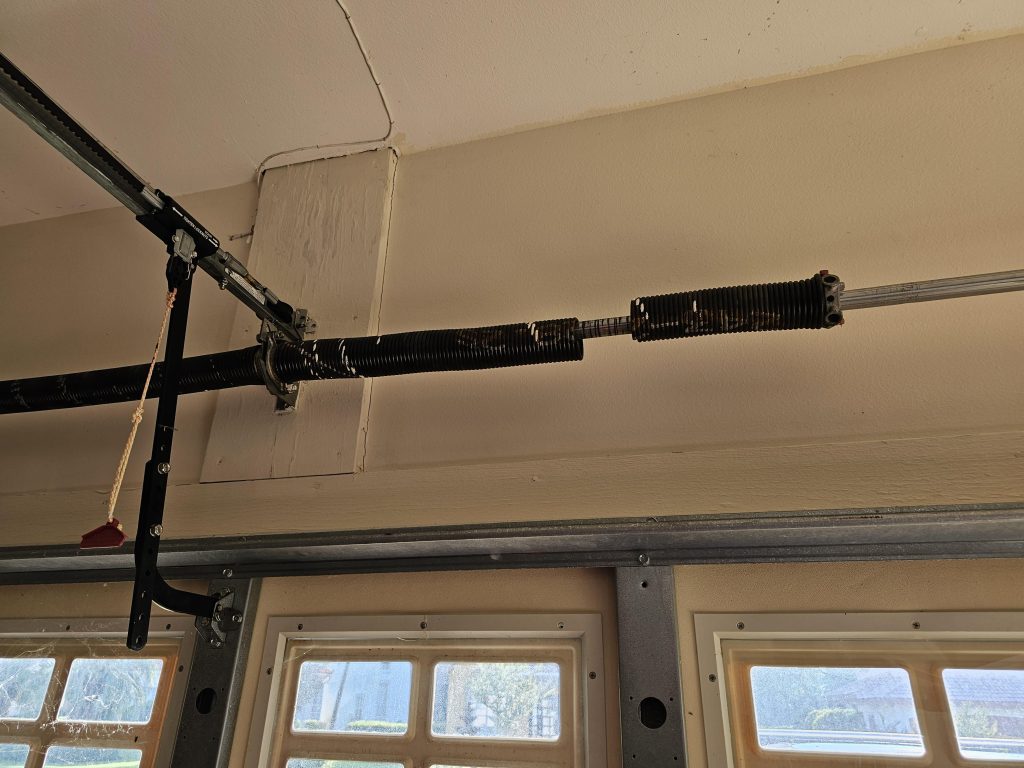
Have you ever walked out to your car in the morning, pressed the remote, and heard a loud bang followed by silence? It is a startling experience that leaves many homeowners asking a critical question: can a garage door open with a broken spring? While it might seem like a simple mechanical failure, the answer involves serious safety considerations and potential damage to your property. In this guide, we will explore why operating a garage door with a broken spring is dangerous, what actually happens to the mechanism, and the steps you must take to ensure your family’s safety.
The Short Answer: Technically Yes, But Absolutely Do Not Try It
To address the elephant in the room immediately: technically, a garage door can be lifted manually if the spring is broken, but it requires immense physical strength and poses severe risks. However, using an automatic opener to lift a door with a broken spring is nearly impossible and highly destructive to the motor.
The garage door spring is not just a minor component; it is the counterbalance system that holds the weight of the door. A standard single-car garage door can weigh between 130 to 150 pounds (59 to 68 kg), while double-car doors can exceed 300 pounds (136 kg). Without the spring’s tension, you are lifting this entire dead weight directly.
Why You Should Never Force It
Attempting to open the door without professional help can lead to:
- Severe Personal Injury: The door can slip from your hands or fall unexpectedly, causing crush injuries.
- Damaged Opener Motor: If you try to use the electric opener, the motor will strain against the full weight of the door, likely burning out the gears or the motor itself.
- Bent Tracks: The uneven force can warp the metal tracks, leading to costly repairs beyond just the spring replacement.
How Garage Door Springs Work: The Physics of Balance
To understand why a broken spring disables your door, we need to look at the mechanics. Garage doors operate on a counterbalance system. The springs store kinetic energy when the door is closed and release it to help lift the door.
There are two main types of springs used in residential settings:
| Feature | Torsion Springs | Extension Springs |
|---|---|---|
| Location | Mounted above the door opening on a metal shaft. | Mounted on both sides of the horizontal track. |
| Mechanism | Twists (torque) to store energy. | Stretches out to store energy. |
| Safety Risk | High tension; can cause severe injury if snapped. | Can fly off if cable breaks; still dangerous. |
| Lifespan | Typically 10,000–20,000 cycles. | Typically 10,000 cycles. |
When a spring breaks, the counterbalance is lost. The automatic opener is designed to lift only 10–15 pounds of resistance—the friction of the rollers and tracks—not the full weight of the door. This is why the door remains stuck or moves only a few inches before stopping.
For more detailed technical specifications on spring mechanics, you can refer to the general principles of Hooke’s Law on Wikipedia, which governs the elasticity of these components.
Signs Your Garage Door Spring Is Broken
Before you attempt any action, confirm that the spring is indeed the issue. Sometimes, the problem might be a disconnected cable or a misaligned sensor. Here are the telltale signs:
- A Loud Bang: A broken spring often sounds like a gunshot or a firecracker. This is the sound of high-tension steel snapping.
- Visible Gap: Look at the torsion spring above the door. If you see a clear gap in the coil, it is broken. For extension springs, look for a broken coil or a detached safety cable.
- Door Won’t Open Fully: The door may lift a few inches and then stop, or it may feel incredibly heavy if you try to lift it manually.
- Crooked Door: If one spring breaks (in a two-spring system), the door may appear tilted or uneven as it attempts to rise.
- Loose Cables: If the spring breaks, the cables that hold the bottom brackets may become loose or hang slack.
The Dangers of Operating a Door with a Broken Spring
Many homeowners wonder if they can just “get by” until a technician arrives. The consensus among industry professionals is a firm no. Here is why:
1. Risk of Catastrophic Failure
Garage door springs are under extreme tension. A broken spring can leave other components, such as cables and pulleys, in a precarious state. If a cable snaps while you are under the door, the door could crash down instantly.
2. Damage to the Garage Door Opener
Your garage door opener is not a winch; it is an assistive device. When the spring breaks, the opener tries to lift the full weight of the door. This causes:
- Stripped Gears: The plastic or metal gears inside the opener unit can strip.
- Burned-Out Motor: The motor overheats trying to overcome the resistance.
- Broken Drive Belt/Chain: The excessive load can snap the drive mechanism.
Replacing a spring might cost $150–$350, but replacing a burnt-out opener plus the spring can cost $500–$800.
3. Personal Safety Hazards
According to the Consumer Product Safety Commission (CPSC), garage doors are the largest moving object in most homes. Attempting to manually lift a 300-pound door without proper training and tools can result in:
- Back injuries from lifting improper weights.
- Finger or hand crushing if the door slips.
- Head injuries if the door falls unexpectedly.
What To Do Immediately After a Spring Breaks
If you suspect your spring is broken, follow these steps to ensure safety and minimize damage:
- Disconnect the Opener: Pull the red emergency release cord (usually hanging from the trolley rail). This disengages the motor from the door, preventing accidental activation.
- Do Not Attempt to Lift the Door: Leave the door closed. If it is partially open, do not try to close it manually unless you have assistance and proper knowledge.
- Secure the Area: Keep children and pets away from the garage door. A loosely hanging door or cable is a significant hazard.
- Inspect Visually: From a safe distance, look for the broken spring or loose cables. Do not touch any components under tension.
- Call a Professional: Contact a licensed garage door repair technician. Spring replacement is not a DIY project for most homeowners due to the high risk of injury.
Can You Replace Garage Door Springs Yourself?
While some experienced DIY enthusiasts attempt spring replacement, it is widely discouraged by safety experts. Here is a comparison of DIY vs. Professional Repair:
| Factor | DIY Replacement | Professional Repair |
|---|---|---|
| Cost | $50–$100 (parts only) | $150–$350 (parts + labor) |
| Risk Level | Extremely High | Low (Insured & Trained) |
| Tools Needed | Winding bars, vice grips, ladder | Specialized winding tools, safety gear |
| Time | 2–4 hours (for beginners) | 30–60 minutes |
| Warranty | None on labor | Usually 1–5 years on parts/labor |
Expert Insight: “Garage door springs are under enough tension to launch a winding bar like a missile if it slips. We see several emergency room visits every year from DIY spring repairs. It is simply not worth the risk.” — John Davis, Certified Garage Door Technician with 15 years of experience.
If you choose to proceed with DIY, you must use proper winding bars (never screwdrivers) and follow the manufacturer’s instructions precisely. However, for most users, hiring a professional is the safest and most cost-effective choice in the long run.
FAQ Section
1. Can a garage door opener lift a door with a broken spring?
No, it cannot. The opener is designed to lift only the frictional weight of the door (10–15 lbs), not the actual weight of the door (130–300+ lbs). Attempting to use it will likely damage the motor.
2. How long do garage door springs last?
Standard torsion springs are rated for 10,000 cycles (one open and one close equals one cycle). For an average family, this translates to 7–10 years. Extension springs typically have a shorter lifespan of about 10,000 cycles as well but may wear out faster due to exposure to elements.
3. Is it safe to leave the garage door open if the spring is broken?
It is not recommended. Without the spring’s counterbalance, the door is unstable. Vibrations from traffic or wind could cause it to slip or fall. It is best to keep the door closed and locked until repaired.
4. Can I replace just one spring if I have a two-spring system?
Professionals recommend replacing both springs even if only one is broken. Since they were installed at the same time, the second spring is likely near the end of its life as well. Replacing both ensures balanced operation and prevents another breakdown soon after.
5. What is the cost to replace a garage door spring?
The national average for professional spring replacement ranges from $150 to $350. This includes the cost of the springs, labor, and safety inspection. Prices may vary based on your location and the type of door.
Conclusion
So, can a garage door open with a broken spring? While physically possible with extreme manual effort, it is unsafe, impractical, and likely to cause further damage to your opener and door structure. The spring is the heart of your garage door’s balance system, and without it, the door becomes a hazardous, heavy slab of metal.
Prioritize your safety and the longevity of your equipment by avoiding DIY fixes unless you are highly trained. Instead, disconnect the opener, secure the area, and call a certified technician. By acting quickly and responsibly, you can ensure your garage door returns to smooth, safe operation without risking injury or expensive secondary repairs.
Found this guide helpful? Share it with your neighbors on social media to help them stay safe from garage door hazards!
Leave a Reply