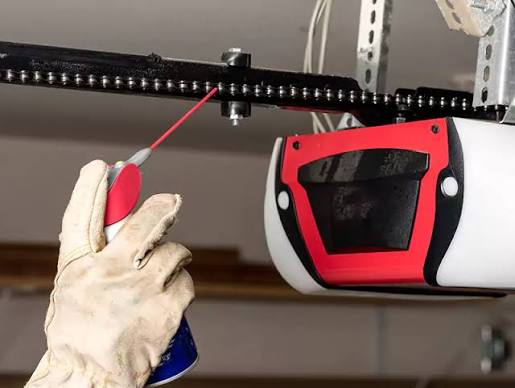
Do you dread the loud, grinding noise every time you open or close your garage door? If you have a bedroom above your garage or work from home, that clanking sound can be incredibly disruptive to your daily life and sleep quality. Many homeowners are now discovering that a belt drive garage door opener is quieter than chain drive alternatives, offering a peaceful solution without sacrificing power or reliability.
In this comprehensive guide, we will explore exactly why belt drives are superior for noise reduction, compare them against traditional chain systems, and help you decide if upgrading is the right move for your home.
Why Is a Belt Drive Garage Door Opener Quieter Than Chain Drive?
The primary reason lies in the materials used. Chain drive openers use a metal chain, similar to a bicycle chain, to pull the trolley that moves the door. As metal links engage with metal gears, they create friction and vibration, resulting in that characteristic rattling noise.
In contrast, belt drive openers utilize a reinforced rubber or polyurethane belt. This material is flexible and absorbs vibration rather than transmitting it. The result is a smooth, near-silent operation that is barely audible from inside your home.
According to industry standards, belt drive openers typically operate at around 40-50 decibels, which is comparable to a quiet library or a refrigerator humming. Chain drives, on the other hand, often range between 60-70 decibels, similar to a normal conversation or a vacuum cleaner running in the next room. For many homeowners, this difference is not just noticeable—it’s life-changing.
Key Differences: Belt Drive vs. Chain Drive Openers
When choosing between these two types, it is essential to look beyond just noise. Here is a detailed comparison to help you understand the trade-offs.
| Feature | Belt Drive Opener | Chain Drive Opener |
|---|---|---|
| Noise Level | Very Quiet (40-50 dB) | Loud (60-70 dB) |
| Durability | High (Resistant to rust) | High (But prone to stretching) |
| Maintenance | Low (No lubrication needed) | Medium (Requires regular lubrication) |
| Cost | Higher ($250–$400+) | Lower ($150–$250) |
| Best For | Attached garages, bedrooms above | Detached garages, budget-conscious |
Durability and Weather Resistance
One common misconception is that belt drives are less durable because they are made of rubber. However, modern belts are reinforced with steel cords or high-strength fibers, making them incredibly resilient. They do not stretch as much as metal chains over time and are immune to rust, which is a significant advantage in humid climates.
Chain drives, while robust, require regular maintenance. You must lubricate the chain every few months to prevent squeaking and wear. If neglected, the metal-on-metal contact can lead to premature failure of the gears or the chain itself.
Cost Considerations
It is true that belt drive openers come with a higher upfront cost. However, when you factor in the reduced maintenance and the potential increase in home comfort (and even property value), the investment often pays off. If you plan to stay in your home for several years, the peace of mind alone is worth the extra $100–$150.
Who Should Choose a Belt Drive Opener?
Not every homeowner needs a silent opener, but certain situations make it a necessity rather than a luxury.
- Bedrooms Above the Garage: If your master bedroom or a child’s room is located directly above the garage, a chain drive will likely wake you up every time someone enters or leaves the house. A belt drive eliminates this disturbance.
- Home Offices: With more people working from home, a quiet environment is crucial for video calls and concentration. A loud garage door can disrupt your professional image and focus.
- Early Morning or Late Night Use: If you have shift work or early morning routines, a belt drive ensures you don’t disturb your family or neighbors.
- Luxury Homes: For high-end properties, the premium feel of a silent operation aligns better with the overall quality of the home.
Installation and Maintenance Tips
Installing a belt drive opener is similar to installing a chain drive, but there are a few specific considerations to ensure optimal performance and longevity.
Step-by-Step Installation Overview
- Prepare the Area: Clear out any items stored near the garage ceiling. Ensure you have a sturdy ladder and a helper to assist with lifting the motor unit.
- Assemble the Rail: Follow the manufacturer’s instructions to assemble the rail. Attach the belt to the trolley and thread it through the pulley system. Note: Do not overtighten the belt; it should have a slight give, similar to a guitar string.
- Mount the Header Bracket: Secure the header bracket to the wall above the garage door. Use lag screws and ensure it is anchored into solid wood, not just drywall.
- Hang the Motor Unit: Lift the motor unit and attach it to the ceiling joists using the provided hanging brackets. Ensure the unit is level to prevent uneven wear on the belt.
- Connect the Door: Attach the trolley to the garage door arm. Adjust the limit settings so the door opens and closes completely without straining the motor.
- Test and Adjust: Plug in the unit and test the operation. Listen for any unusual noises. If the belt is too loose, it may slip; if too tight, it may wear out quickly.
For more detailed technical specifications on garage door mechanisms, you can refer to the Wikipedia page on garage door openers.
Maintenance Best Practices
Even though belt drives are low-maintenance, a little care goes a long way:
- Inspect the Belt: Every six months, check the belt for signs of cracking, fraying, or wear. Replace it immediately if you notice any damage.
- Clean the Rails: Wipe down the metal rails with a damp cloth to remove dust and debris. Avoid using harsh chemicals that could degrade the rubber belt.
- Check the Sensors: Ensure the safety sensors at the bottom of the door are clean and aligned. This is crucial for preventing accidents.
- Lubricate Moving Parts: While the belt itself does not need lubrication, the rollers, hinges, and springs of the garage door should be lubricated annually with a silicone-based spray.
Frequently Asked Questions (FAQ)
1. How long does a belt drive garage door opener last?
A high-quality belt drive opener can last between 10 to 15 years with proper maintenance. The belt itself may need replacement every 7–10 years, depending on usage frequency, but the motor and other components are built to last.
2. Can I replace my chain drive with a belt drive?
Yes, in most cases, you can upgrade from a chain drive to a belt drive. However, you will likely need to replace the entire rail system, not just the motor. It is often more cost-effective to buy a new complete unit rather than trying to retrofit an old one.
3. Are belt drive openers powerful enough for heavy doors?
Absolutely. Modern belt drive openers are designed to handle doors weighing up to 500 pounds. Whether you have a standard single-car door or a heavy insulated double-car door, a belt drive provides ample power. Look for models with DC motors, which offer smoother starts and stops.
4. Do belt drives require special weatherproofing?
Belt drives are inherently more resistant to humidity and temperature changes than chain drives because they do not rust. However, if your garage is unheated and experiences extreme temperature swings, ensure you choose a model rated for those conditions. Most major brands offer units suitable for a wide range of climates.
5. Is a belt drive opener more expensive to repair?
Repair costs are generally comparable to chain drives. The most common issue is belt wear, which is inexpensive to fix. Motor failures are rare in both types. Since belt drives have fewer moving parts that require lubrication, they may actually incur lower long-term maintenance costs.
Conclusion
Choosing a belt drive garage door opener is a smart investment for anyone who values peace, quiet, and low maintenance. While the initial cost is higher than a chain drive, the benefits of a silent operation, increased durability, and enhanced home comfort make it well worth the price.
If you are tired of the clanking noise disrupting your sleep or work, it is time to make the switch. Your ears—and your family—will thank you.
Leave a Reply