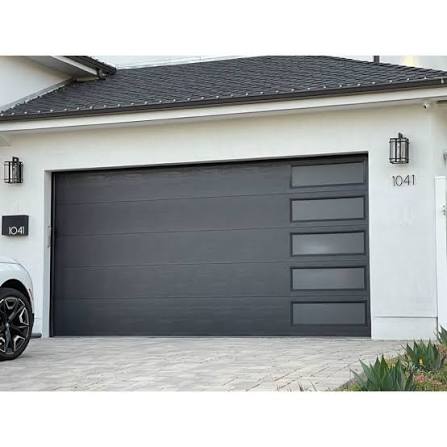
Introduction
Are you struggling with a garage that feels like an icebox in winter and a sauna in summer? You are not alone; many homeowners with non-standard or older garage openings face significant energy loss and noise issues due to poor insulation. Finding the right 8 ft x 6.5 ft insulated garage door can transform your space into a comfortable, energy-efficient extension of your home while boosting its overall value.
Why Choose an 8 Ft X 6.5 Ft Insulated Garage Door?
Most standard residential garage doors are 7 feet tall. However, an 8-foot width combined with a 6.5-foot height is a unique dimension often found in older homes, converted carriages, or specific architectural designs. Choosing an insulated model for this size is not just about aesthetics; it is a critical investment in your home’s performance.
The Energy Efficiency Advantage
An uninsulated single-layer steel door has an R-value (resistance to heat flow) of nearly zero. In contrast, an insulated door typically ranges from R-8 to R-18, depending on the material and thickness. For an 8 ft x 6.5 ft insulated garage door, this means:
- Reduced Heating Bills: Keeps warm air inside during winter.
- Lower Cooling Costs: Reflects heat away during summer months.
- Consistent Temperatures: Ideal if you use your garage as a workshop, gym, or storage area for temperature-sensitive items.
Noise Reduction and Durability
Insulation acts as a sound barrier. If you live in a noisy neighborhood or have a bedroom above the garage, an insulated door significantly dampens outside noise. Furthermore, the multi-layer construction adds structural rigidity, making the door more resistant to dents and damage compared to single-layer alternatives.
Understanding Insulation Types: Polystyrene vs. Polyurethane
When shopping for your 8 ft x 6.5 ft insulated garage door, you will encounter two main types of insulation. Understanding the difference is crucial for making the right choice.
| Feature | Polystyrene (Styrofoam) | Polyurethane (Foam) |
|---|---|---|
| Form | Rigid boards inserted between panels | Liquid foam injected and expanded |
| R-Value | Lower (R-8 to R-10 typical) | Higher (R-12 to R-18+ typical) |
| Weight | Lighter | Heavier, adds structural strength |
| Cost | More affordable | More expensive |
| Best For | Budget-conscious buyers | Maximum efficiency & durability |
Expert Insight: According to industry standards, polyurethane foam bonds to the steel skins, creating a stronger, more rigid door. This is particularly important for wider doors like the 8-foot model, as it prevents bowing or warping over time.
For more detailed information on building materials and thermal resistance, you can refer to Wikipedia’s article on Thermal Insulation.
Key Factors to Consider Before Buying
Before you place an order for your custom-sized door, consider these critical factors to ensure a perfect fit and long-term satisfaction.
1. Accurate Measurements Are Non-Negotiable
A 6.5-foot height is non-standard. Measure the rough opening width and height precisely.
- Width: Measure from jamb to jamb at the top, middle, and bottom. Use the smallest measurement.
- Height: Measure from the floor to the bottom of the header beam.
- Headroom: Ensure you have enough space above the opening for the tracks and opener mechanism.
2. Material Selection
- Steel: Most popular, durable, and low-maintenance. Available in various gauges (lower gauge = thicker steel).
- Aluminum: Lightweight and rust-resistant but offers less insulation value unless specially treated.
- Wood Composite: Offers a classic look with better stability than real wood, though it requires more maintenance.
3. Window Options
Adding windows to your 8 ft x 6.5 ft insulated garage door can enhance natural light. However, ensure they are double-pane or tempered glass to maintain the door’s insulating properties. Place windows in the top section to maximize privacy and security.
Step-by-Step Installation Overview
While professional installation is recommended for non-standard sizes, understanding the process helps you prepare. Here is a simplified guide:
- Prepare the Opening: Remove the old door and clean the jambs. Ensure the floor is level.
- Install Weather Stripping: Apply high-quality weather stripping around the perimeter to seal gaps.
- Assemble the Sections: Lay out the door sections on the ground. Connect hinges and rollers according to the manufacturer’s manual.
- Mount the Tracks: Install vertical tracks on both sides, ensuring they are perfectly plumb. Then, install the horizontal tracks, securing them to the ceiling joists.
- Hang the Door: Lift the assembled sections into the tracks. Start with the bottom panel and work your way up.
- Install Springs and Cables: Warning: Torsion springs are under extreme tension. This step should only be performed by trained professionals to avoid serious injury.
- Attach the Opener: Mount the garage door opener and connect it to the door bracket. Test the balance and safety sensors.
Pro Tip: For an 8-foot wide door, ensure the torsion spring system is rated correctly for the weight of the insulated panels. An under-springed door will wear out the opener quickly.
Maintenance Tips for Longevity
To keep your 8 ft x 6.5 ft insulated garage door functioning smoothly for years, follow these simple maintenance steps:
- Lubricate Moving Parts: Every six months, apply a silicone-based lubricant to rollers, hinges, and springs. Avoid WD-40 as it attracts dust.
- Inspect Weather Stripping: Check for cracks or tears in the rubber seals. Replace them annually to maintain insulation efficiency.
- Clean the Surface: Wash the door with mild soap and water twice a year. Avoid abrasive cleaners that can damage the finish.
- Test Balance: Disconnect the opener and manually lift the door halfway. It should stay in place. If it falls or rises, the springs need adjustment.
FAQ Section
Q1: Can I get an 8 ft x 6.5 ft insulated garage door off-the-shelf?
A: Most big-box stores carry standard 7-foot or 8-foot heights. A 6.5-foot height is considered custom. You will likely need to order from a specialized garage door dealer or manufacturer who offers custom sizing. Lead times may vary from 2 to 6 weeks.
Q2: What is the best R-value for a garage door in a cold climate?
A: For cold climates, aim for an R-value of at least R-12 to R-16. Polyurethane-insulated doors typically offer higher R-values per inch of thickness, making them ideal for harsh winters.
Q3: Does insulation make the garage door heavier?
A: Yes, insulated doors are heavier than single-layer doors. However, modern torsion spring systems are designed to handle this extra weight easily. Ensure your garage door opener has sufficient horsepower (at least ½ HP, preferably ¾ HP) to lift the door smoothly.
Q4: How much does an 8 ft x 6.5 ft insulated garage door cost?
A: Prices vary based on material, insulation type, and brand. Expect to pay between $1,200 and $3,500 for the door itself. Professional installation can add another $500 to $1,000. Custom sizes may incur additional fees.
Q5: Can I insulate my existing non-insulated door?
A: Yes, you can buy DIY insulation kits made of reflective foam board. However, these kits rarely match the performance, durability, or aesthetic appeal of a factory-insulated door. For a permanent solution, replacing the door is recommended.
Q6: Will an insulated door improve my home’s resale value?
A: Absolutely. Homebuyers appreciate energy-efficient features. An insulated garage door improves curb appeal, reduces noise, and signals that the home is well-maintained, potentially increasing resale value.
Conclusion
Investing in an 8 ft x 6.5 ft insulated garage door is a smart move for any homeowner looking to enhance comfort, save on energy bills, and improve their home’s aesthetic. By choosing the right insulation type, ensuring accurate measurements, and maintaining the door properly, you can enjoy a quiet, efficient, and durable garage for decades.
Don’t let a non-standard size limit your options. With the right supplier and professional installation, your custom-sized door can be a standout feature of your home.
Found this guide helpful? Share it with friends on Facebook or Pinterest who might be planning their own garage upgrades!
Leave a Reply