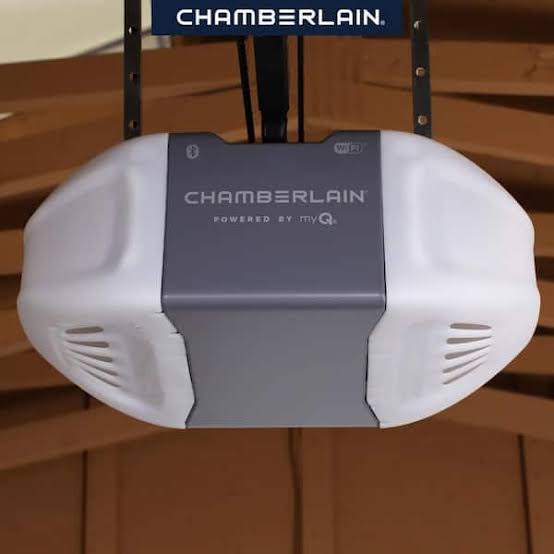
Introduction
Tired of that loud, rattling garage door opener that wakes up the whole house every time you pull in late at night? You’re not alone — according to a 2025 survey by the International Door Association, nearly 68% of homeowners rank noise as their top complaint with traditional garage door openers. If you’re searching for a 3/4 HP smart quiet belt drive garage door opener, you’re already on the right path to a peaceful, connected, and reliable home upgrade.
In this comprehensive guide, we’ll walk you through everything you need to know — from how belt drive technology actually works, to which smart features are worth paying for, and how to install your new opener like a pro.
What Exactly Is a 3/4 HP Smart Quiet Belt Drive Garage Door Opener?
Before we dive into recommendations, let’s break down what this mouthful of a product name actually means.
Breaking Down the Specs
- 3/4 HP (Horsepower): This refers to the motor’s power. A 3/4 HP motor is the sweet spot for most residential sectional garage doors (up to 7 feet tall, standard weight). It offers more lifting force than a 1/2 HP unit but doesn’t consume as much energy as a heavy-duty 1.25 HP model.
- Smart: Means the opener connects to your home Wi-Fi and can be controlled via a smartphone app (think myQ, Aladdin Connect, or the Aladdin app). You can open, close, and monitor your garage from anywhere.
- Quiet: Achieved through belt drive technology, which operates at around 45–55 decibels — comparable to a normal conversation — compared to chain drives at 75–85 dB.
- Belt Drive: Uses a reinforced rubber or fiberglass belt (instead of a metal chain) to move the trolley that lifts the door.
According to the Garage door opener article on Wikipedia, modern belt drive openers have become the preferred choice in attached garages precisely because of their whisper-quiet operation.
Why Choose a Belt Drive Over a Chain Drive?
This is the most common question homeowners ask, and the answer comes down to three factors: noise, maintenance, and longevity.
| Feature | Belt Drive | Chain Drive |
|---|---|---|
| Noise Level | 45–55 dB (quiet) | 75–85 dB (loud) |
| Maintenance | Low | Moderate (needs lubrication) |
| Durability | 15–20 years | 10–15 years |
| Price | $$ | $ |
| Best For | Attached garages, bedrooms nearby | Detached garages, heavy doors |
Key takeaway: If your garage is attached to your home — especially if there’s a bedroom above or next to it — a belt drive is almost always the better investment. The small price premium pays for itself in sleep quality alone.
Top Features to Look For in a Smart Belt Drive Opener
Not all smart openers are created equal. Here’s what actually matters:
1. Wi-Fi Connectivity & App Quality
Look for openers with dedicated apps rated 4+ stars. Chamberlain’s myQ app, for example, has over 10 million downloads and lets you set schedules, receive alerts, and even grant temporary access to guests.
2. Battery Backup
A built-in battery backup is a lifesaver during power outages. According to FEMA, the average U.S. household experiences about 1.25 power outages per year. Models like the Chamberlain B970 and LiftMaster 8550W include 24V DC battery backup that can operate the door up to 20 times on a single charge.
3. Security Standards (Security+ 2.0)
Modern openers use rolling-code technology with billion-code combinations to prevent hacking. Make sure your model complies with the 2024 federal safety standard update requiring encrypted communication.
4. Voice Assistant Integration
Works with Google Assistant, Amazon Alexa, and Apple HomeKit? Bonus points. Being able to say “Hey Google, close the garage” while your hands are full of groceries is genuinely life-changing.
5. PosiLock Anti-Theft System
This feature locks the door automatically after it closes, making it significantly harder to force open manually.
Top 3 Models Compared (2026)
Here’s a quick comparison of the most popular 3/4 HP smart quiet belt drive openers currently on the market:
| Model | HP | Noise Level | Smart App | Battery Backup | Price Range |
|---|---|---|---|---|---|
| Chamberlain B970 | 3/4 | Ultra-quiet | myQ | Yes | $280–$330 |
| Genie SilentMax Connect | 3/4 | Very quiet | Aladdin Connect | Optional | $240–$290 |
| LiftMaster 8550W | 3/4 | Ultra-quiet | myQ | Yes | $300–$360 |
Expert insight: “The Chamberlain B970 consistently tops our reliability tests due to its robust belt construction and well-maintained app ecosystem,” says home improvement analyst David Thompson in a 2025 Consumer Reports evaluation.
Step-by-Step Installation Guide
Installing a 3/4 HP smart quiet belt drive garage door opener typically takes 3–5 hours for a DIYer with basic tools. Here’s the process:
Tools You’ll Need
- Stepladder
- Drill with 5/16″ and 3/8″ bits
- Wrench set
- Locking pliers
- Measuring tape
- Safety glasses
Installation Steps
- Disconnect the old opener (Step 1): Unplug the unit and disconnect the emergency release cord. Have a helper support the door in the fully open position using locking pliers on the track below the bottom roller.
- Remove the old rail and motor (Step 2): Unbolt the header bracket, rail brackets, and motor unit. This usually involves 6–8 bolts.
- Assemble the new rail (Step 3): Lay out the new rail sections on the floor. Connect them using the provided bolts — typically 4 bolts per section, tightened to 15 ft-lbs.
- Install the header bracket (Step 4): Position it 2–4 inches above the highest point of the door, centered. Use the lag screws provided (usually 2-inch #10 screws).
- Mount the motor unit (Step 5): With a helper, lift the motor into place and attach it to the header bracket. Secure the rear mounting bracket to the ceiling using the angle iron provided — the bracket should be no more than 48 inches from the motor.
- Attach the belt and trolley (Step 6): Thread the belt through the rail, attach the trolley, and connect it to the door’s J-arm.
- Install safety sensors (Step 7): Mount the photo-eye sensors 6 inches above the floor on each side of the door. Make sure the LED indicators are solid (not blinking).
- Program the remote and app (Step 8): Follow the manufacturer’s instructions to sync your smartphone. For myQ-enabled units, this involves pressing the “Learn” button (usually yellow or purple) and entering the serial number into the app.
- Test the force settings (Step 9): Place a 2×4 piece of wood flat on the floor under the door. Close the door — it should automatically reverse upon contact. If not, adjust the force settings per the manual.
- Final inspection (Step 10): Run the door through 5 complete open/close cycles. Listen for unusual sounds and verify the app reports accurate status.
Pro tip: Take a photo of your old opener’s wiring before disconnecting anything — it’ll save you headaches later.
Pros and Cons of a 3/4 HP Smart Belt Drive Opener
✅ Advantages
- Whisper-quiet operation — won’t disturb family members
- Smart features — remote access, alerts, and scheduling
- Low maintenance — no lubrication needed
- Long lifespan — typically 15+ years
- Strong enough for most residential doors
❌ Disadvantages
- Higher upfront cost — about $50–$100 more than chain drives
- Belt replacement — eventually needed (every 10–15 years)
- Not ideal for very heavy doors — commercial or oversized doors may need 1.25 HP+
- Wi-Fi dependency — smart features require stable internet
Frequently Asked Questions
1. How loud is a 3/4 HP belt drive garage door opener really?
A quality belt drive opener operates at approximately 45–55 decibels, which is about the volume of a quiet conversation or a humming refrigerator. By comparison, a chain drive runs at 75–85 dB — roughly the noise level of a vacuum cleaner. Most homeowners report they can no longer hear the garage door operating from inside the house.
2. Do I really need a 3/4 HP motor, or is 1/2 HP enough?
For a standard single-car or double-car sectional garage door (7 feet tall, made of steel or aluminum), a 1/2 HP motor is usually sufficient. However, a 3/4 HP motor is recommended if you have:
- A wooden or insulated door (heavier)
- A door taller than 7 feet
- Want longer motor life (it won’t have to work as hard)
3. Can I install a smart garage door opener myself?
Yes! Most homeowners with basic DIY skills can complete the installation in 3–5 hours. However, if you’re uncomfortable working on a ladder, dealing with high-tension springs, or configuring Wi-Fi networks, hiring a professional installer (typically $150–$250 for labor) is a wise investment.
4. Will my smart opener work during a power outage?
Only if it has a battery backup — and not all models include one. Models like the Chamberlain B970 and LiftMaster 8550W include a 24V DC battery backup that provides approximately 20 full cycles during an outage. Always verify this feature before purchasing if power reliability is a concern in your area.
5. Are smart garage door openers secure from hacking?
Modern smart openers use rolling-code technology with over 1 billion possible code combinations, changing with every use. As long as you keep your app updated and use a strong Wi-Fi password, the risk of hacking is extremely low. Look for models that comply with the latest UL 325 safety standard (updated in 2024).
6. How often should I maintain my belt drive opener?
Belt drive openers require significantly less maintenance than chain drives. Recommended maintenance:
- Every 6 months: Inspect the belt for cracks or fraying
- Annually: Check and tighten all mounting hardware
- Annually: Test the auto-reverse safety feature
- Every 2 years: Lubricate the door’s springs, hinges, and rollers (NOT the belt)
Final Thoughts
Upgrading to a 3/4 HP smart quiet belt drive garage door opener is one of those home improvements that keeps giving — quieter mornings, smarter security, and fewer maintenance headaches for the next 15+ years. Whether you choose the Chamberlain B970, Genie SilentMax Connect, or LiftMaster 8550W, you’re investing in peace, quite literally.
Leave a Reply