Introduction
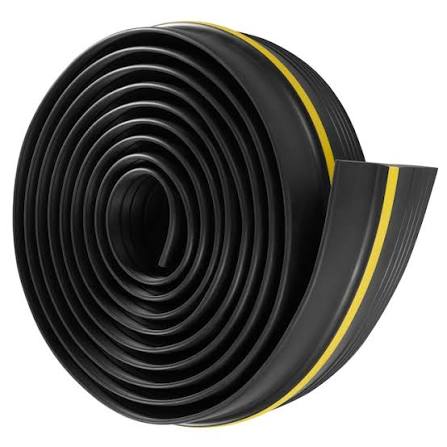
Is your garage letting in drafts, pests, or water during heavy rains? A worn-out bottom seal is often the culprit, compromising your home’s energy efficiency and comfort. Finding the right 16 Ft garage door bottom seal kit Lowe’s offers can solve this problem quickly and affordably, ensuring your garage remains a secure and insulated space.
Many homeowners overlook the bottom seal until it’s too late. However, this small rubber strip plays a massive role in keeping your garage dry and warm. In this guide, we will walk you through everything you need to know about selecting, buying, and installing the perfect seal from Lowe’s, backed by expert advice and practical steps.
Why Do You Need a New Garage Door Bottom Seal?
Before diving into the specific products available at Lowe’s, it is crucial to understand why this component matters. The bottom seal, also known as a threshold seal or weatherstrip, creates a tight barrier between the bottom of your garage door and the concrete floor.
The Hidden Costs of a Worn Seal
According to the U.S. Department of Energy, air leaks can account for 25–30% of residential heating and cooling costs. While most people focus on windows and doors, the garage door is one of the largest moving parts of your home’s envelope.
A compromised seal leads to:
- Higher Energy Bills: Cold air enters in winter; hot air enters in summer.
- Pest Infestations: Mice, insects, and snakes can squeeze through gaps as small as 1/4 inch.
- Water Damage: Rainwater can seep under the door, damaging stored items or the concrete foundation.
- Dust and Debris: Leaves and dirt blow in, creating a messy workspace.
If you notice visible light under your closed garage door or feel a draft, it is time to replace the seal.
Top Picks for 16 Ft Garage Door Bottom Seal Kits at Lowe’s
Lowe’s carries a variety of brands and styles. When searching for a 16 Ft garage door bottom seal kit Lowe’s, you will typically encounter three main types. Understanding the differences helps you make the right choice.
1. T-Style Seals
These are the most common for residential garage doors. They fit into a channel (groove) at the bottom of the door.
- Best For: Doors with a pre-existing aluminum or steel channel.
- Pros: Easy to slide in, durable, good water resistance.
- Cons: Requires the correct channel width (usually 1/4″ or 3/8″).
2. Bulb-Style Seals
These have a rounded “bulb” that compresses against the floor.
- Best For: Uneven concrete floors where a flat seal might not make full contact.
- Pros: Excellent sealing capability, flexible.
- Cons: Can wear out faster if dragged over rough surfaces.
3. Universal Retrofit Kits
These kits often come with adhesive backing or screws and do not require a channel.
- Best For: Older doors without a bottom channel.
- Pros: Versatile, easy to install on any door type.
- Cons: Adhesive may fail over time in extreme temperatures.
| Feature | T-Style | Bulb-Style | Universal Retrofit |
|---|---|---|---|
| Installation Difficulty | Low | Medium | Medium |
| Durability | High | Medium | Variable |
| Water Resistance | Good | Excellent | Good |
| Price Range | $15–$25 | $20–$35 | $25–$40 |
Note: Prices vary based on brand and material quality.
How to Choose the Right Size and Material
Not all 16-foot seals are created equal. Even though the length is standard for many single-car garage doors, the profile and material matter significantly.
Measure Twice, Buy Once
Before heading to Lowe’s or ordering online, measure your existing seal.
- Width of the Channel: If you have a T-style seal, measure the width of the slot at the bottom of the door. Common sizes are 1/4 inch and 3/8 inch.
- Length: Standard single-car garage doors are usually 8, 9, or 10 feet wide. However, some wider doors or double-door setups may require a 16-foot continuous strip or two 8-foot pieces. Confirm if you actually need a single 16-ft piece or two shorter ones.
Material Matters: Vinyl vs. Rubber
- Vinyl: Cheaper and rigid. It lasts longer in dry climates but can become brittle and crack in freezing temperatures.
- Thermoplastic Rubber (TPR): More expensive but highly flexible. It withstands extreme cold and heat without cracking. For most US climates, TPR is the recommended choice for longevity.
For more information on building materials and standards, you can refer to Wikipedia’s entry on Weatherstripping.
Step-by-Step Installation Guide
Installing a new bottom seal is a straightforward DIY project that takes less than an hour. Here is how to do it properly.
Tools You Will Need:
- New 16 Ft garage door bottom seal kit
- Tape measure
- Utility knife or hacksaw
- Screwdriver (if using screw-in seals)
- Cleaning supplies (rag, mild detergent)
- Silicone lubricant (optional)
Installation Steps:
- Remove the Old Seal Open the garage door halfway. Pull out the old weatherstrip from the channel. If it is stuck, use a flathead screwdriver to gently pry it loose. Clean the channel thoroughly to remove dirt, rust, or old adhesive.
- Measure and Cut Lay the new seal flat on the ground. Measure the width of your garage door. If the kit is 16 feet and your door is narrower, cut the excess using a utility knife. Tip: Cut slightly longer than needed, then trim for a perfect fit.
- Insert the New Seal
- For T-Style: Start at one end of the door. Insert the T-part of the seal into the channel. Use your hands to push it along the length of the door. If it is tight, you can use a rubber mallet to gently tap it in.
- For Universal/Adhesive: Peel off the backing paper and press firmly along the bottom edge of the door. Ensure there are no bubbles or gaps.
- Secure the Ends Some kits come with end caps or screws. Install these to prevent the seal from sliding out over time.
- Test the Door Close the garage door slowly. Check if the seal compresses evenly against the floor. There should be no visible gaps. If the door struggles to close, the seal might be too thick, or the track may need adjustment.
Maintenance Tips for Longevity
To get the most out of your 16 Ft garage door bottom seal kit Lowe’s purchase, follow these maintenance tips:
- Clean Regularly: Wipe the seal with a damp cloth every few months to remove dirt and debris that can cause abrasion.
- Lubricate: Apply a silicone-based lubricant twice a year. This keeps the rubber flexible and prevents it from sticking to the concrete in humid weather.
- Inspect Seasonally: Check for cracks, tears, or flattening before winter and summer seasons.
FAQ Section
Q1: Can I cut a 16 Ft seal to fit a smaller door?
A: Yes, most garage door bottom seals can be cut to size. Use a sharp utility knife or a hacksaw for a clean cut. Measure your door width accurately before cutting to avoid waste.
Q2: How often should I replace my garage door bottom seal?
A: Typically, every 3–5 years. However, this depends on climate and usage. If you notice cracks, brittleness, or drafts, replace it immediately regardless of age.
Q3: Is a 16 Ft seal suitable for a double garage door?
A: A standard double garage door is usually 16 feet wide, so a single 16 Ft seal is perfect. However, some double doors are two separate 8-foot doors. In that case, you would need two 8-foot seals or one 16-foot seal cut in half.
Q4: What is the difference between a bottom seal and a threshold seal?
A: A bottom seal attaches to the door itself. A threshold seal attaches to the floor. For best results, many experts recommend using both, but a high-quality bottom seal alone is sufficient for most homes.
Q5: Can I install the seal myself, or do I need a professional?
A: Installing a bottom seal is a simple DIY task that requires basic tools. You do not need a professional unless your garage door tracks are misaligned or the door mechanism is faulty.
Q6: Does Lowe’s offer installation services for garage door seals?
A: Lowe’s primarily sells the materials. While they offer installation services for full garage door replacements, simple weatherstripping is usually a DIY job. However, you can consult their customer service for local contractor recommendations if needed.
Conclusion
Replacing your garage door bottom seal is a small investment with significant returns. By choosing the right 16 Ft garage door bottom seal kit Lowe’s has to offer, you can improve your home’s energy efficiency, keep pests out, and protect your belongings from water damage.
Remember to measure your door correctly, choose a durable material like TPR, and follow the simple installation steps outlined above. With proper maintenance, your new seal will last for years, keeping your garage comfortable and secure.
Did you find this guide helpful? Share it with your friends on social media who might be struggling with drafty garages!
Leave a Reply