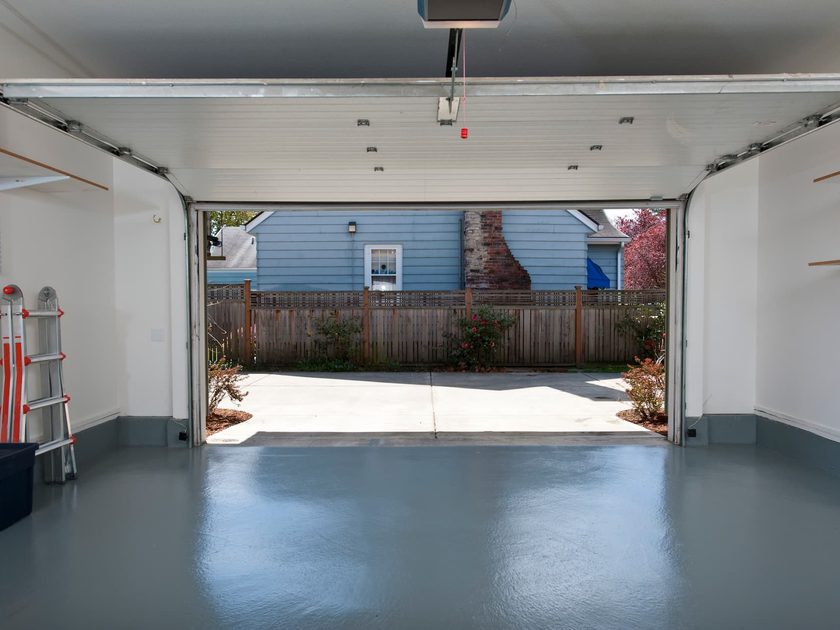
It can be incredibly unsettling to find your garage wide open after a long day, leaving you wondering why would a garage door opening on its own. Many homeowners search the exact phrase why would a garage door opening on its own when facing this frustrating issue, and you are certainly not alone. Do not worry; in this comprehensive guide, we will walk you through the exact reasons this happens and how to fix it quickly.
Why Would A Garage Door Opening On Its Own? Top Causes
When your garage door decides to operate like a ghost, it is usually due to a specific technical glitch rather than anything supernatural. Understanding the root cause is the first step toward securing your home.
According to the International Door Association (IDA), nearly 70% of homeowners use their garage as their primary entry point. This makes unexpected openings a severe security vulnerability. Let us break down the most common culprits behind this “phantom opening” phenomenon.
1. Is Your Neighbor’s Remote Interfering?
If you have an older garage door opener, it likely uses fixed “dip-switches” rather than modern rolling codes. These older systems have a limited number of frequency combinations.
Statistically, there is a high chance that a neighbor or a passerby might have a remote control set to the exact same frequency as yours. When they press their button, your door responds. Upgrading to a modern rolling-code opener or changing your dip-switch settings can instantly resolve this.
2. Are the Safety Sensors Misaligned or Dirty?
Your garage door relies on infrared safety sensors located near the floor. If these sensors are obstructed, dirty, or misaligned, the logic board can become confused.
In some older models, a disrupted sensor beam can cause the door to reverse or trigger unexpectedly. Even a tiny spiderweb or a buildup of autumn dirt can scatter the infrared beam, causing the system to malfunction.
3. Could It Be a Short Circuit in the Wall Button?
The wired push button inside your garage is a frequent, yet often overlooked, culprit. Over time, the thin wires connecting the button to the motor can become damaged.
If a staple, a nail, or even a frayed wire touches the metal frame of the garage, it can complete the circuit. This sends a signal to the motor to open the door, completely on its own.
4. Is the Logic Board Malfunctioning?
The logic board is the brain of your garage door opener. Power surges from lightning strikes or grid fluctuations can fry the motherboard’s microchips. A damaged logic board may send erratic signals, causing the door to open or close without any command.
To understand the evolution and mechanics of these systems, you can read more about the garage door opener on Wikipedia.
Troubleshooting Checklist: DIY vs. Professional Help
Not every issue requires a costly service call. Use this quick comparison table to decide your next steps.
| Issue | Difficulty Level | Estimated Cost | Time Required |
|---|---|---|---|
| Remote Interference | Easy | Free | 15 mins |
| Dirty/Misaligned Sensors | Easy | Free | 10 mins |
| Shorted Wall Button | Moderate | $10 – $20 | 30 mins |
| Logic Board Failure | Hard | $100 – $250 | 1 – 2 hours |
Step-by-Step Guide: How to Reset and Reprogram Your Opener
If you suspect remote interference or a logic board glitch, resetting the system is the most effective fix. Follow these concrete steps to clear the memory and secure your frequency.
Step 1: Locate the ‘Learn’ Button Find the “Learn” or “Smart” button on the back or side of your motor head. It is usually colored yellow, red, or purple.
Step 2: Clear the Old Memory Press and hold the “Learn” button for exactly 6 seconds until the indicator LED turns off. This wipes all previously programmed remotes from the system.
Step 3: Clean the Sensors Use a clean, dry microfiber cloth to gently wipe the lenses of the safety sensors. Ensure the LED lights on both sensors are glowing steadily, not blinking.
Step 4: Reprogram Your Remote Press the “Learn” button once (do not hold it). Within 30 seconds, press and hold the button on your remote control until the motor light flashes. This pairs your remote to a newly encrypted frequency.
Step 5: Test the Wall Button Disconnect the wall button wires from the back of the motor for 24 hours. If the phantom opening stops during this time, you know the wall button or its wiring is short-circuiting and needs replacement.
Frequently Asked Questions (FAQ)
Q1: Can a power surge cause my garage door to open by itself?
Answer: Yes, absolutely. Power surges from lightning or electrical grid issues can corrupt the logic board’s memory. This corruption can cause the motherboard to send random “open” signals to the motor. Installing a surge protector on your opener can prevent this damage.
Q2: How do I stop my garage door from opening randomly?
Answer: The fastest way to stop random openings is to unplug the garage door opener or flip the circuit breaker dedicated to the garage. Once power is cut, perform a full reset of the logic board and reprogram your remotes to ensure no unauthorized frequencies are accessing your system.
Q3: Is it dangerous if my garage door opens on its own?
Answer: Yes, it poses significant risks. Beyond the obvious security threat of leaving your home vulnerable to intruders, a malfunctioning door can also trap your pets inside or allow wild animals to enter. Furthermore, if the door closes unexpectedly while a vehicle is passing, it can cause severe property damage.
Q4: Should I replace my garage door opener if it keeps opening randomly?
Answer: If your opener is more than 10 to 15 years old and relies on fixed dip-switches, replacement is highly recommended. Modern openers use “rolling code” technology, which changes the access code every single time you use the remote, making phantom openings virtually impossible and greatly enhancing your home security.
Conclusion
Dealing with a garage door that operates on its own is stressful, but it is almost always a solvable technical issue. By understanding why would a garage door opening on its own, you can take back control of your home’s security and peace of mind. Whether it requires a simple sensor cleaning, a logic board reset, or a remote reprogramming, the fixes are often quick and highly effective.
Prioritize your home’s safety today by troubleshooting these common culprits.
Leave a Reply