Introduction
There is nothing quite as frustrating as standing in your driveway, pressing the remote, and watching your garage door rise perfectly—only to refuse to come back down. It leaves your home vulnerable and your car exposed to the elements. If you are asking yourself, “why will my garage door open but not close,” you are not alone; this is one of the most common issues homeowners face. The good news is that in most cases, the culprit is minor and can be fixed without calling a professional.
Understanding the Safety Mechanism
Before diving into repairs, it is crucial to understand why the door behaves this way. Modern garage doors are equipped with sophisticated safety features mandated by federal law in the United States since 1993. These mechanisms are designed to prevent the door from crushing objects, pets, or people.
When the door opens but reverses immediately upon trying to close, it is usually because the system detects an obstruction or a fault in the safety circuit. The opener thinks something is in the way, even if the path is clear. This “fail-safe” design is brilliant for protection but can be annoying when it malfunctions. According to the Consumer Product Safety Commission, ensuring these sensors are functional is critical for household safety.
1. Check the Photo-Eye Sensors (The Most Common Cause)
The number one reason for this issue is misaligned or dirty safety sensors, often called “photo-eyes.” These are the small units located near the bottom of your garage door tracks, about six inches off the ground.
How They Work
One sensor sends an invisible infrared beam to the other. If the beam is broken, the door assumes an object is present and refuses to close.
Step-by-Step Troubleshooting:
- Inspect the Lights: Look at the LED lights on both sensors. Typically, one has a green light (power) and the other has an amber or red light (beam alignment). If the amber light is blinking or off, the beam is blocked.
- Clean the Lenses: Use a soft, dry cloth to wipe away dust, spider webs, or dirt. Even a thin layer of grime can disrupt the signal.
- Check Alignment: Ensure both sensors are pointing directly at each other. They should be parallel to the floor. If one is tilted, loosen the wing nut, adjust it until the lights stabilize, and tighten it back.
- Remove Obstructions: Check for boxes, bikes, or garden tools that might be inadvertently blocking the beam path.
2. Inspect the Travel Limit Settings
If your sensors are clean and aligned, the issue might lie in the travel limit settings. These settings tell the motor how far to go up and how far to go down.
Over time, vibrations can cause these settings to shift. If the “down” limit is set too short, the door may think it has hit the floor before it actually has, causing it to reverse. Conversely, if the force setting is too low, the door may encounter slight resistance (like weather stripping) and reverse for safety.
| Setting | Symptom if Incorrect | Fix |
|---|---|---|
| Down Limit | Door stops halfway or reverses before touching the ground. | Adjust the screw/knob labeled “Down” or “Close” slightly. |
| Force Limit | Door reverses immediately upon touching the floor. | Increase the closing force incrementally. |
| Up Limit | Door doesn’t open fully (less likely to affect closing). | Adjust the “Up” or “Open” setting. |
Note: Refer to your specific opener’s manual for the exact location of these adjustment screws, as they vary by brand (e.g., LiftMaster, Chamberlain, Genie).
3. Examine the Tracks and Rollers
Physical obstructions in the track can prevent the door from closing smoothly. Unlike the sensors, which stop the door electronically, physical jams trigger the force sensitivity mechanism.
- Look for Debris: Shine a flashlight into the metal tracks. Remove any leaves, rocks, or hardened grease.
- Check Roller Condition: If rollers are cracked or chipped, they can catch on the track seams. Listen for grinding noises during operation.
- Inspect for Dents: A dent in the metal track can derail the rollers. If you see significant damage, it is best to call a professional, as forcing the door can cause further damage.
4. Test the Remote and Wall Switch
Sometimes the issue isn’t the door itself, but the signal source. Batteries in remotes weaken over time, sending inconsistent signals.
- Replace Batteries: Swap out the batteries in your remote control. Use high-quality alkaline batteries for consistent voltage.
- Try the Wall Switch: Press the button on the wall-mounted console inside the garage. If the door closes using the wall switch but not the remote, the issue is likely with the remote or its programming.
- Reprogram the Remote: If the wall switch works, try re-syncing your remote according to the manufacturer’s instructions.
5. Evaluate the Weather Stripping and Seal
In colder months, weather stripping along the bottom of the door can freeze to the concrete floor. When the door tries to close, it encounters unexpected resistance. The opener interprets this resistance as an obstacle and reverses.
Solution:
- Inspect the rubber seal at the bottom of the door.
- If it is stuck, gently pry it loose with a flathead screwdriver.
- Apply a silicone-based lubricant to the seal to prevent future freezing. Avoid oil-based lubricants, as they attract dirt and can degrade rubber over time.
When to Call a Professional
While many issues are DIY-friendly, some situations require expert attention. You should contact a licensed garage door technician if:
- Springs are Broken: Torsion springs are under extreme tension. Attempting to repair them without proper tools and training can result in severe injury.
- Cables are Frayed: Damaged cables can snap unexpectedly.
- The Motor Makes Grinding Noises: This may indicate internal gear failure.
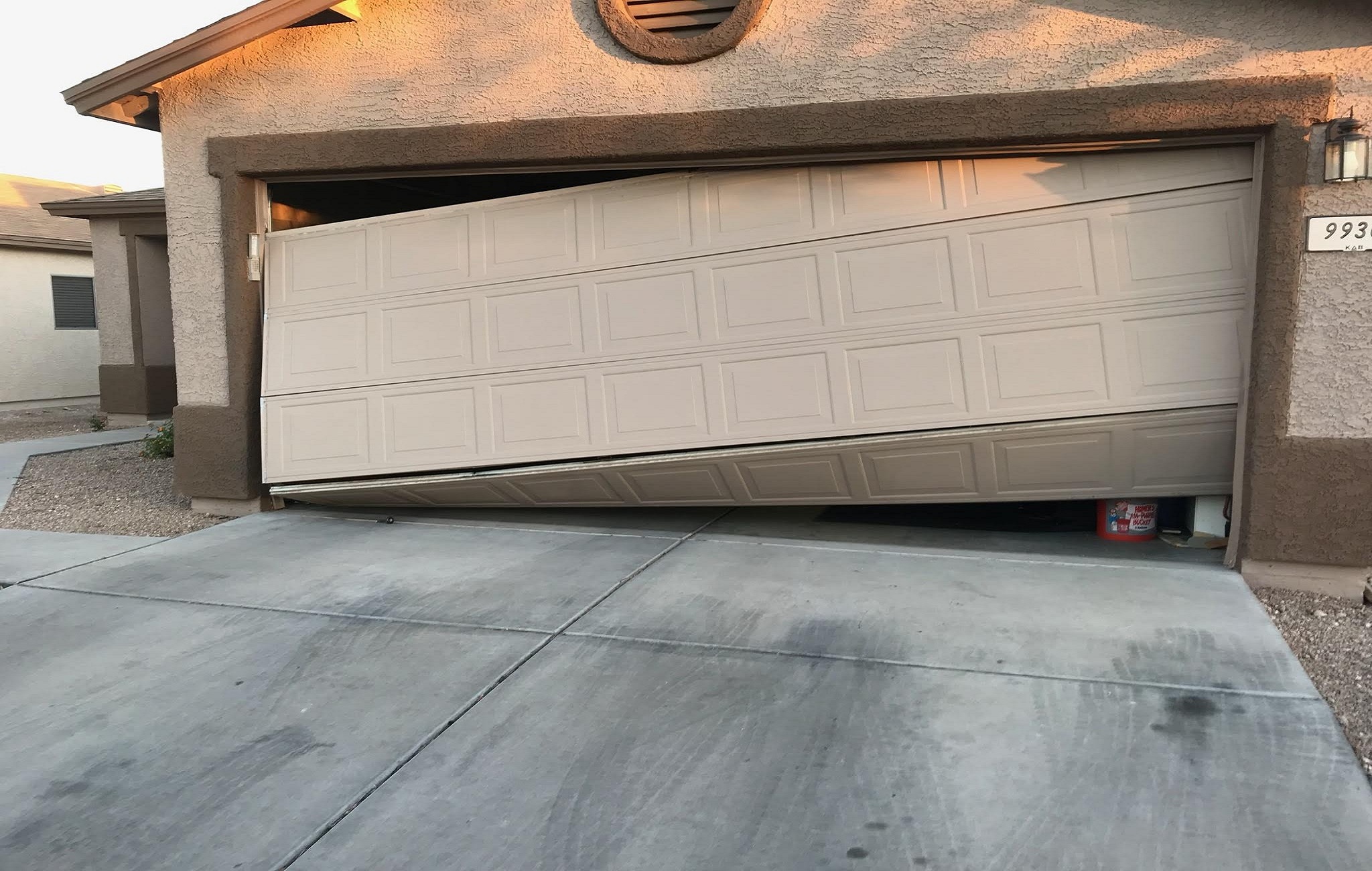
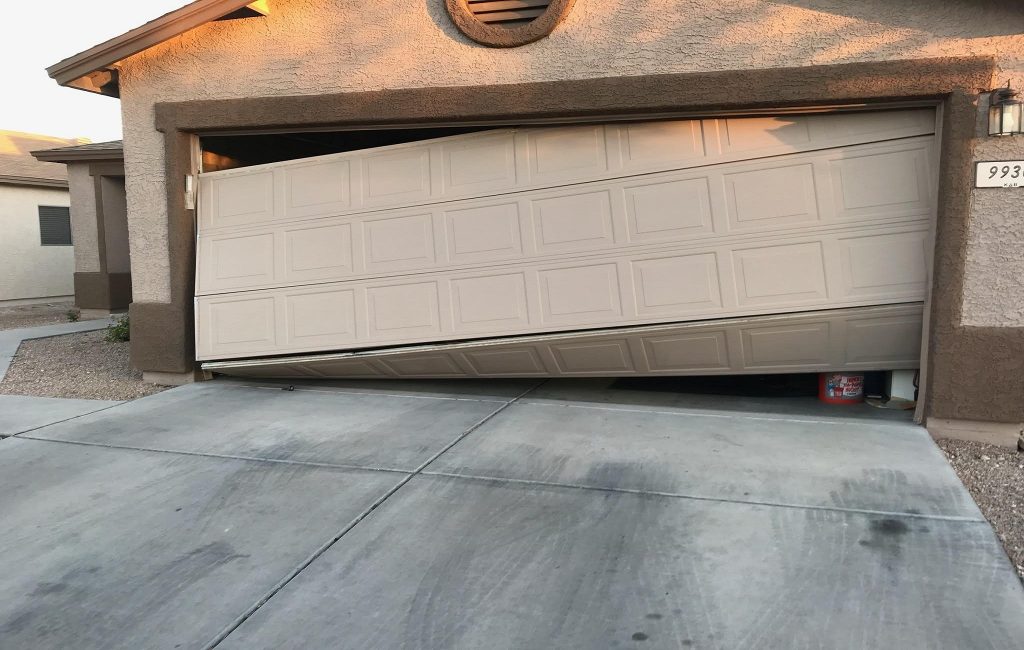
- The Door is Off-Track: If the door has come out of its rails, do not attempt to force it back.
FAQ Section
Q: Why does my garage door close when I hold the wall button but not with the remote?
A: This usually indicates a problem with the remote control itself, such as dead batteries or a need for reprogramming. It could also suggest that the safety sensors are slightly misaligned, and holding the button overrides the safety feature (on some older models), allowing the door to close despite the error.
Q: Can rain or sunlight affect my garage door sensors?
A: Yes. Direct sunlight hitting the receiving sensor can sometimes overwhelm the infrared beam, causing false readings. Similarly, heavy rain or snow can obscure the lenses. Installing a small shade over the sensors or cleaning them frequently during bad weather can help.
Q: How often should I maintain my garage door?
A: Experts recommend a basic inspection every six months. This includes checking sensor alignment, lubricating moving parts (rollers, hinges, and springs), and testing the auto-reverse feature by placing a 2×4 piece of wood on the floor in the door’s path.
Q: Is it dangerous if my garage door doesn’t have sensors?
A: Absolutely. Garage doors installed before 1993 may not have photo-eye sensors. These doors lack critical safety protections and pose a significant risk to children and pets. It is highly recommended to upgrade to a modern opener with safety sensors or install a retrofit sensor kit.
Q: Why does my garage door reverse after hitting the floor?
A: This is typically a force setting issue. The down-force limit is set too low, so when the door touches the ground, the motor senses resistance and thinks it has hit an obstacle. Increasing the down-force setting slightly should resolve this.
Conclusion
Dealing with a garage door that opens but won’t close is a hassle, but it is rarely a catastrophic failure. By systematically checking your safety sensors, travel limits, and tracks, you can likely resolve the issue in under an hour. Remember, regular maintenance is key to preventing these problems in the future.
If you found this guide helpful, please share it with your neighbors or on social media to help others troubleshoot their garage door woes. Stay safe, and keep your garage secure!
Leave a Reply