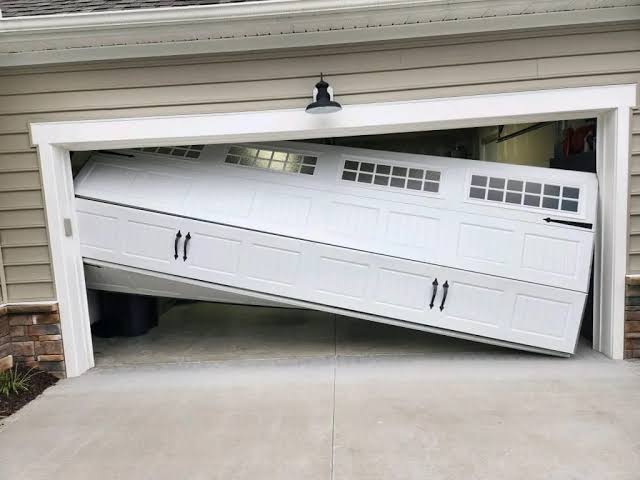
There is nothing quite as unsettling as the loud bang of your garage door derailing in the middle of the night. It disrupts your routine, compromises your home’s security, and leaves you wondering, “Why does my garage door keep coming off track?” You are not alone; this is one of the most common mechanical failures homeowners face, often stemming from simple wear and tear or minor misalignments that escalate over time.
In this guide, we will break down the root causes, provide actionable steps to fix the issue, and help you prevent future derailments. Whether you are a DIY enthusiast or looking to understand what a professional might do, this article has you covered.
What Causes a Garage Door to Come Off Its Track?
Understanding the “why” is the first step to fixing the problem. A garage door is a heavy, complex system under constant tension. When it comes off its track, it is rarely due to a single factor but rather a combination of mechanical stress and environmental conditions.
1. Loose Hardware and Bolts
The most frequent culprit is simply loose hardware. Every time your garage door opens and closes, the vibration can gradually loosen the bolts and brackets that hold the tracks in place. Over months or years, this slight movement accumulates.
- The Impact: Even a fraction of an inch of misalignment can cause the rollers to jump out of the track.
- The Fix: Regularly check the track brackets and roller bolts. If they are loose, tighten them with a socket wrench. However, be cautious not to overtighten, which can strip the threads.
2. Damaged or Worn-Out Rollers
Rollers are the wheels that allow your door to glide smoothly along the track. They are subject to immense friction and weight.
- Steel vs. Nylon: Steel rollers are durable but noisy. Nylon rollers are quieter but can crack or wear down faster in extreme temperatures.
- Signs of Wear: Look for flat spots, cracks, or chipping. If the rollers are not round, they will not fit properly in the track, leading to derailment.
3. Bent or Misaligned Tracks
Your garage door tracks must be perfectly parallel and aligned. If they are bent—even slightly—the door will struggle to move smoothly.
- Common Causes: Accidental impact from a vehicle, falling objects, or even natural settling of your home’s foundation can bend the tracks.
- Visual Check: Stand inside the garage and look at the tracks. Are they straight? Do they have any dents or kinks? A bent track is a serious safety hazard and often requires professional replacement.
4. Broken Cables or Springs
The cables and springs counterbalance the weight of the door. If a cable snaps or a spring breaks, the door becomes unbalanced.
- The Danger: An unbalanced door puts uneven pressure on the tracks and rollers. This uneven force can pull the door out of alignment, causing it to come off the track.
- Warning: Never attempt to repair broken springs or cables yourself. These components are under high tension and can cause severe injury if handled incorrectly. Always call a licensed technician for spring or cable issues.
How to Tell If Your Garage Door Is Off Track
Before you start fixing, you need to confirm the diagnosis. Here are the telltale signs:
| Symptom | Possible Cause |
|---|---|
| Loud banging or grinding noise | Rollers jumping out of track |
| Door appears crooked or tilted | Misaligned tracks or broken cable |
| Door sticks or jams halfway | Obstruction in track or bent rail |
| Visible gap between roller and track | Derailment in progress |
If you notice any of these signs, stop using the door immediately. Forcing it can cause further damage to the opener, panels, and track system.
Step-by-Step: How to Fix an Off-Track Garage Door
If the damage is minor (e.g., loose bolts or slightly misaligned rollers), you may be able to fix it yourself. Safety First: Always disconnect the garage door opener before attempting any repairs.
Step 1: Secure the Door
Ensure the door is fully closed. If it is stuck partially open, do not try to force it down. Use locking pliers or C-clamps to secure the door to the track below the bottom roller to prevent it from falling.
Step 2: Inspect the Tracks and Rollers
Examine the entire length of the track for bends, dents, or debris. Check each roller to see if it is still seated in the track. If a roller has popped out, you will need to gently guide it back in.
Step 3: Realign the Track
If the track is slightly misaligned but not bent:
- Loosen the bolts holding the track to the wall or ceiling brackets. Do not remove them completely.
- Use a rubber mallet to gently tap the track back into alignment. Use a level to ensure it is straight and parallel to the other side.
- Once aligned, tighten the bolts securely.
Step 4: Replace Damaged Rollers
If a roller is cracked or worn:
- Remove the bolt holding the roller bracket.
- Slide the old roller out and insert the new one.
- Reattach the bracket and tighten the bolt. Ensure the roller spins freely.
Step 5: Test the Door
Reconnect the opener and test the door manually first. Lift it halfway and let go. It should stay in place. If it falls or rises, the springs are unbalanced, and you need a professional. If it moves smoothly, test it with the opener.
Expert Tip: According to the International Door Association, regular maintenance can extend the life of your garage door system by up to 50%. Simple tasks like lubricating moving parts and tightening hardware can prevent most off-track issues.
When to Call a Professional
While DIY fixes are great for minor issues, some situations require expert intervention. Call a professional if:
- The track is severely bent: Straightening a heavily bent track often weakens the metal, making replacement the safer option.
- Springs or cables are broken: As mentioned, these are high-tension components that pose a significant safety risk.
- The door is off-track on both sides: This indicates a major alignment issue or structural problem.
- You hear unusual noises after fixing: Grinding, squeaking, or popping sounds suggest underlying issues that need diagnostic tools.
FAQ: Common Questions About Off-Track Garage Doors
Q1: Can I use my garage door if it is slightly off-track?
A: No. Using an off-track door can cause further damage to the rollers, track, and opener. It also poses a safety risk, as the door could fall unexpectedly. Always fix the issue before using the door again.
Q2: How much does it cost to fix an off-track garage door?
A: Costs vary depending on the issue. Minor adjustments or roller replacements may cost between $100–$200. If tracks need replacement or springs are involved, costs can range from $300 to $600 or more. Always get multiple quotes.
Q3: How often should I maintain my garage door to prevent this?
A: Perform a basic inspection every 6 months. Check for loose bolts, lubricate moving parts, and test the balance. Annual professional maintenance is recommended for a thorough check-up.
Q4: Will lubricating the track help prevent derailment?
A: Lubricating the rollers and hinges is essential, but do not lubricate the track itself. Grease or oil on the track can attract dirt and debris, which can actually cause the rollers to slip or jam. Use a silicone-based lubricant on rollers and hinges only.
Q5: Can weather affect my garage door’s alignment?
A: Yes. Extreme temperature changes can cause metal tracks to expand or contract, leading to slight misalignments. In humid climates, rust can also weaken hardware. Regular inspections are crucial in areas with volatile weather.
Conclusion
Dealing with a garage door that keeps coming off track is frustrating, but it is rarely a catastrophic failure if addressed early. By understanding the common causes—such as loose hardware, worn rollers, or misaligned tracks—you can take proactive steps to maintain your system. Remember, regular maintenance is key to preventing costly repairs and ensuring your home’s security.
If you found this guide helpful, please share it with your friends and neighbors on social media. Helping others understand their garage door systems can save them time, money, and stress. Stay safe, and keep your door on track!
Leave a Reply