Introduction
Choosing the right garage door is about more than just curb appeal; it’s about functionality, security, and ensuring your vehicle fits comfortably. If you are renovating an old space or building a new one, you might be asking yourself, “What sizes do roll up garage doors come in?” It is a common question with a nuanced answer, as dimensions vary significantly between residential homes and commercial facilities.
In this guide, we will break down the standard measurements, explain how to measure your opening correctly, and help you avoid costly mistakes. Whether you have a compact sedan or a heavy-duty truck, understanding these dimensions is the first step toward a seamless installation.
Understanding Standard Roll Up Garage Door Sizes
When manufacturers produce roll-up doors (often referred to as roller shutter doors), they adhere to specific industry standards to ensure compatibility with most architectural frames. However, “standard” can mean different things depending on whether you are looking at a single-car or double-car setup.
Single-Car Garage Door Dimensions
For most American homes, the single-car garage is the norm. These doors are designed to accommodate one vehicle with enough clearance for opening doors and moving around.
- Width: The most common width is 8 feet. However, you will also frequently find 9-foot wide doors. The 9-foot option is becoming increasingly popular because modern vehicles, especially SUVs and trucks, are wider than they used to be.
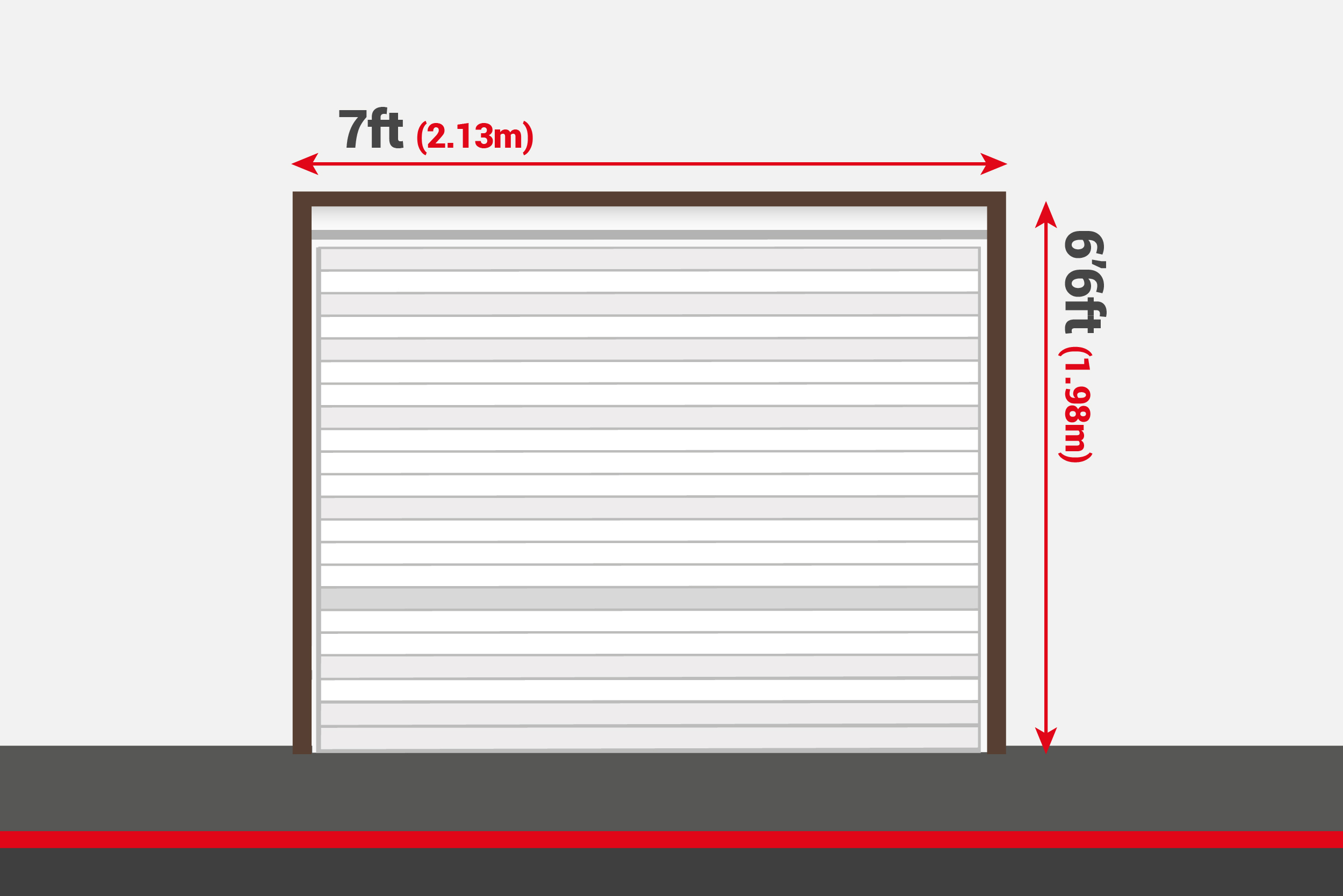
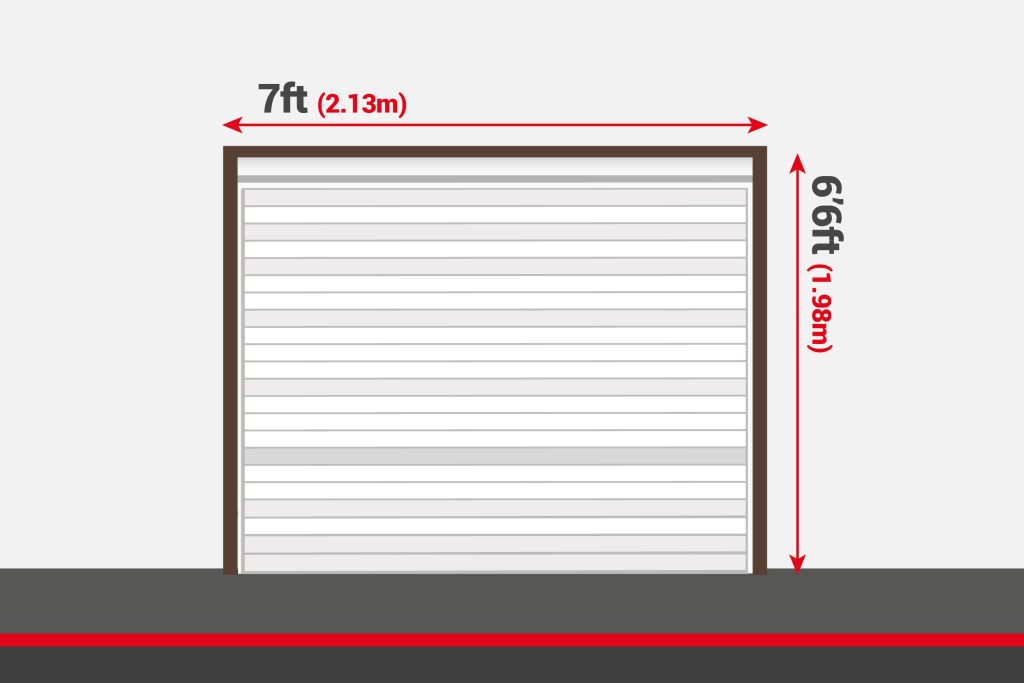
- Height: Standard heights typically range from 7 feet to 8 feet. An 7-foot height is sufficient for most sedans and older models, but if you own a taller vehicle or plan to install a roof rack, an 8-foot height is safer.
Pro Tip: If you are unsure, always opt for the wider and taller option within the standard range. It is much easier to deal with extra space than to scrape your side mirrors every time you enter the garage.
Double-Car Garage Door Dimensions
Double-car garages offer two distinct configuration options: two separate single doors or one large double door. Roll-up mechanisms are particularly popular for the single large door configuration due to their space-saving design.
- Width: Standard widths for double doors are 16 feet and 18 feet. A 16-foot door can feel tight if you park two large vehicles side-by-side, so many homeowners prefer the 18-foot width for easier access.
- Height: Just like single doors, the standard heights remain 7 feet and 8 feet.
| Door Type | Standard Widths | Standard Heights | Best For |
|---|---|---|---|
| Single Car | 8 ft, 9 ft | 7 ft, 8 ft | Sedans, Compact SUVs |
| Double Car | 16 ft, 18 ft | 7 ft, 8 ft | Two Vehicles, Trucks |
| RV/Commercial | 10 ft – 20+ ft | 8 ft – 14+ ft | Large Trucks, Boats, Warehouses |
What About Non-Standard and Custom Sizes?
Not every home was built with standard framing. Older homes, historic properties, or custom-built structures often feature unique openings that do not align with the 8×7 or 16×8 norms. This leads many homeowners to ask if custom sizes are available.
The good news is that yes, roll-up garage doors can be custom-made. Manufacturers can produce doors in virtually any width or height required. However, there are important considerations:
- Cost: Custom doors are significantly more expensive than standard sizes. You are paying for specialized manufacturing processes and non-standard materials.
- Lead Time: While a standard door might be available for immediate shipment, a custom order can take several weeks to manufacture.
- Resale Value: Extremely unusual sizes might limit your pool of potential buyers if you decide to sell your home, as they may worry about replacement costs.
If your opening is close to a standard size (for example, 8 feet 2 inches wide), it is often more cost-effective to adjust the framing of your garage opening to fit a standard 8-foot door rather than ordering a custom unit.
How to Measure Your Garage Opening Correctly
Before you browse catalogs or contact suppliers, you need accurate measurements. Measuring incorrectly is the number one cause of installation failures. Follow these steps to ensure precision.
Step 1: Measure the Width
Measure the width of the opening at three different points: the top, the middle, and the bottom. Use a steel tape measure for accuracy.
- Record the narrowest of these three measurements.
- Do not include the trim or molding in your measurement unless you plan to remove it.
- Ensure you measure the clear opening where the door will actually sit.
Step 2: Measure the Height
Similar to the width, measure the height from the floor to the top of the opening at both the left and right sides.
- Record the shortest measurement.
- Check for any obstructions like pipes, lights, or beams that might interfere with the roll-up mechanism’s housing box.
Step 3: Check Headroom and Sideroom
Roll-up doors require space above and beside the opening for the drum and guide rails.
- Headroom: Measure the distance from the top of the door opening to the ceiling or lowest obstruction. Most roll-up doors require at least 12 to 18 inches of headroom for the curtain coil.
- Sideroom: Measure the space on either side of the opening. You typically need 3 to 5 inches on each side for the vertical guides.
For more detailed technical specifications on construction standards, you can refer to general building guidelines available on Wikipedia.
Factors Influencing Your Size Choice
Choosing the right size isn’t just about fitting the car. Several other factors play a crucial role in your decision-making process.
Vehicle Clearance and Future Proofing
Think about the vehicles you own now and those you might buy in the future. If you currently drive a compact car but plan to buy a lifted truck in five years, installing an 8-foot high door now might regrettable later. Always aim for at least 6 inches of clearance above the tallest point of your vehicle.
Insulation and Energy Efficiency
Larger doors mean more surface area. If you live in an area with extreme temperatures, the size of your door will impact your energy bills. Larger doors may require higher R-value insulation to maintain thermal efficiency. Ensure that the size you choose doesn’t compromise your home’s energy performance.
Aesthetic Proportion
The size of the door should complement the architecture of your home. A massive 18-foot door on a small cottage might look overwhelming, while a narrow 8-foot door on a large modern facade might look undersized. Consider the visual balance when making your final decision.
Common Mistakes to Avoid
Even with careful planning, errors can happen. Here are the most frequent pitfalls homeowners face:
- Ignoring the Frame: Measuring the old door instead of the rough opening. Old doors may have been installed incorrectly, so always measure the structural opening.
- Forgetting the Mechanism: Not accounting for the space needed for the roll-up box. If the ceiling is too low, the door won’t fully open.
- Assuming Symmetry: Assuming the garage opening is perfectly square. Older foundations often shift, causing openings to be slightly trapezoidal. Always measure multiple points.
FAQ Section
1. Can I install a roll-up door on an existing sectional door frame?
Generally, no. Roll-up doors and sectional doors use different tracking and mounting systems. You will likely need to modify the framing or install a new header to support the roll-up mechanism properly.
2. Are roll-up garage doors more secure than traditional doors?
Yes, roll-up doors are often considered more secure. The slats interlock tightly, and the mechanism is housed inside a protective box, making it difficult for intruders to pry open compared to some traditional sectional doors.
3. What is the maximum width for a roll-up garage door?
While custom doors can be made very wide, standard residential roll-up doors typically max out at around 20 feet. For wider openings, such as in commercial warehouses, specialized industrial roll-up doors can exceed 30 feet, but these require heavy-duty motors and structural support.
4. Do roll-up doors require more maintenance than sectional doors?
Roll-up doors generally require less maintenance because they have fewer moving parts. There are no hinges or cables that stretch over time. However, the springs and the guide rails should be lubricated annually to ensure smooth operation.
5. How much does a custom-sized roll-up door cost?
Custom sizes can cost 20% to 50% more than standard sizes. The exact price depends on the material (steel, aluminum, wood), insulation level, and the complexity of the size deviation. Always get multiple quotes from reputable dealers.
Conclusion
Understanding what sizes do roll up garage doors come in is essential for making an informed decision that balances functionality, aesthetics, and budget. While standard sizes like 8×7 and 16×8 fit most homes, don’t hesitate to explore custom options if your structure demands it. Remember to measure carefully, account for headroom, and think about your future vehicle needs.
By following this guide, you can ensure a smooth installation process and enjoy the convenience and security of a high-quality roll-up garage door for years to come.
Found this guide helpful? Share it with your friends on social media who might be planning their next home improvement project!
Leave a Reply