If you’re wondering “What Is The R Value Of A Garage Door”, you’re likely trying to improve your home’s energy efficiency or comfort. Understanding R-value is essential when choosing or upgrading a garage door—especially if your garage is attached to your home.
In this guide, you’ll learn what R-value means, why it matters, and how to choose the right level for your needs.
Read too: Tc1 Tricode Garage Door Opener Remote W/ Clip Chamberlain: Complete Guide
What Is The R Value Of A Garage Door?
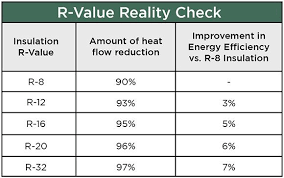
The R-value measures how well a material resists heat flow. In simple terms, it tells you how effective your garage door is at insulating your space.
👉 Higher R-value = Better insulation
This means:
- Less heat enters during summer
- Less heat escapes during winter
- More stable indoor temperatures
Why Does R-Value Matter for Garage Doors?
Many homeowners overlook garage insulation—but it plays a big role in comfort and energy savings.
Key Benefits:
- Reduces energy bills
- Keeps garage warmer in winter
- Keeps garage cooler in summer
- Protects stored items from temperature damage
Energy Insight:
Studies show that proper insulation can reduce heat loss by up to 20–30% in attached garages.
Typical R-Values for Garage Doors
Garage doors come in different insulation levels.
Standard R-Value Ranges:
| Garage Door Type | R-Value Range |
|---|---|
| Non-insulated | R-0 to R-2 |
| Polystyrene insulated | R-6 to R-9 |
| Polyurethane insulated | R-10 to R-18 |
What Do These Numbers Mean?
- R-0 to R-2: Minimal insulation
- R-6 to R-9: Moderate insulation
- R-10+: High insulation (recommended for most homes)
What Is a Good R-Value for a Garage Door?
The “best” R-value depends on your situation.
Recommended R-Values:
- Detached garage: R-6 to R-9
- Attached garage: R-10 to R-16
- Extreme climates: R-16+
👉 Pro Tip:
If your garage shares walls with your home, always choose a higher R-value.
Types of Garage Door Insulation
1. Polystyrene Insulation
- Rigid foam panels
- Lower cost
- Moderate insulation
2. Polyurethane Insulation
- Foam injected into panels
- Expands and fills gaps
- Higher R-value and durability
Comparison Table:
| Feature | Polystyrene | Polyurethane |
|---|---|---|
| Cost | Lower | Higher |
| R-Value | Medium | High |
| Strength | Moderate | Strong |
| Energy Efficiency | Good | Excellent |
How Is R-Value Calculated?
R-value depends on:
- Material type
- Thickness
- Density
The formula measures resistance to heat flow across a surface.
To understand the science behind it, you can read more here:
https://en.wikipedia.org/wiki/R-value_(insulation)
Does a Higher R-Value Always Mean Better?
Not always—but in most cases, yes.
When Higher R-Value Matters Most:
- Garage is attached to your house
- You use garage as workspace
- You live in extreme temperatures
When It Matters Less:
- Detached garages
- Mild climates
- Rare garage use
Real-Life Example
Scenario:
A homeowner upgrades from R-2 to R-12 garage door.
Results:
- Noticeable temperature improvement
- Reduced HVAC workload
- Lower monthly energy costs
Cost vs Benefit Analysis
| R-Value | Cost | Benefit |
|---|---|---|
| Low (R-2) | $ | Minimal |
| Medium (R-8) | $$ | Moderate |
| High (R-16) | $$$ | Maximum |
👉 Conclusion:
Higher upfront cost = long-term savings.
Common Mistakes When Choosing R-Value
1. Choosing Too Low
Leads to poor insulation and higher energy bills.
2. Overpaying for Unnecessary R-Value
Not needed for detached garages.
3. Ignoring Door Sealing
Even high R-value doors need proper weather stripping.
4. Not Considering Climate
Your location affects insulation needs.
How to Improve Garage Door Insulation
If replacing the door isn’t an option:
DIY Options:
- Add insulation panels
- Install weather stripping
- Seal gaps around door
Step-by-Step DIY Insulation Upgrade:
- Measure door panels
- Cut insulation panels to size
- Insert panels into door frame
- Seal edges with adhesive
⏱️ Time required: 1–2 hours
Advantages vs Disadvantages of High R-Value Doors
Advantages:
- Better temperature control
- Lower energy costs
- Increased comfort
Disadvantages:
- Higher initial cost
- Heavier door weight
Maintenance Tips for Insulated Garage Doors
- Check seals every 6 months
- Clean panels regularly
- Inspect insulation for damage
- Lubricate moving parts
FAQ: What Is The R Value Of A Garage Door?
1. What does R-value mean in simple terms?
It measures how well a garage door resists heat flow—the higher, the better insulation.
2. Is R-10 good for a garage door?
Yes, it’s a solid choice for most attached garages.
3. Do I need a high R-value for a detached garage?
Not necessarily. R-6 to R-9 is usually sufficient.
4. Can I increase my garage door’s R-value?
Yes, by adding insulation panels or upgrading the door.
5. Does insulation reduce noise?
Yes, insulated doors also provide better soundproofing.
6. Is polyurethane better than polystyrene?
Yes, it offers higher R-value and better durability.
Conclusion
Understanding what is the R value of a garage door helps you make smarter decisions about insulation, comfort, and energy efficiency. Whether you’re upgrading your door or improving your current setup, choosing the right R-value can make a noticeable difference.
For most homeowners, investing in a moderate to high R-value pays off in both comfort and long-term savings.
If you found this guide helpful, feel free to share it on social media—someone else might be planning the same upgrade! 🚪
Leave a Reply