Introduction
A faded, peeling, or rusted garage door can instantly drag down your home’s entire curb appeal, leaving you frustrated and unsure of where to even begin. If you are wondering, what is the best way to paint a garage door, you are absolutely not alone. This comprehensive, expert-backed guide will walk you through a simple, professional-grade process to transform your garage door beautifully, safely, and affordably.
What Is the Best Way to Paint a Garage Door? The Core Answer
The absolute best way to paint a garage door is not about the paint itself, but the preparation. Industry professionals agree that surface preparation accounts for nearly 80% of a successful, long-lasting paint job.
According to recent data from the Remodeling Cost vs. Value Report, upgrading a garage door yields one of the highest returns on investment (ROI) for homeowners, often recouping over 150% of its value. Painting your existing door is a fraction of the cost of replacement while delivering a massive visual upgrade. The golden rule is simple: clean thoroughly, sand lightly, prime when necessary, and apply two thin coats of high-quality exterior acrylic latex paint.
Essential Tools and Materials You Will Need
Before you start, gathering the right materials prevents mid-project stress. Here is your professional checklist:
- Cleaning Solution: 1 liter of Trisodium Phosphate (TSP) or a heavy-duty exterior cleaner.
- Water: 4 liters of warm water (ideal temperature: 22–28°C or 70–82°F) for mixing.
- Sandpaper: 220-grit sandpaper or a fine sanding sponge.
- Primer: 1 quart of exterior bonding primer (essential for bare metal or drastic color changes).
- Paint: 1 gallon of premium exterior acrylic latex paint (satin or semi-gloss finish).
- Application Tools: High-density foam roller (4-inch), 2.5-inch angled sash brush, and a paint tray.
- Protection: Blue painter’s tape, drop cloths, safety glasses, and nitrile gloves.
Step-by-Step Guide to Painting Your Garage Door
Follow these exact steps to ensure a factory-like finish that withstands the elements.
Step 1: Clean the Surface Thoroughly
Dirt and grease are the enemies of paint adhesion. Mix 1 liter of TSP with 4 liters of warm water (22–28°C). Scrub the entire door using a stiff bristle brush or sponge. Rinse completely with a garden hose and let it dry for at least 2 hours.
Step 2: Sand for Adhesion
Lightly sand the entire surface with 220-grit sandpaper. You do not need to strip the old paint; you only need to dull the glossy finish and smooth out any rust spots or peeling edges. Wipe away all dust with a damp microfiber cloth.
Step 3: Mask and Protect
Apply blue painter’s tape around all windows, weatherstripping, and handles. Lay down drop cloths to protect your driveway from inevitable drips.
Step 4: Apply Primer (If Needed)
If your door is bare metal, heavily rusted, or you are painting a dark door a light color, apply a thin, even coat of exterior bonding primer. Let it dry for 3 to 4 hours at an ambient temperature of 70°F (21°C).
Step 5: Paint with Precision
Pour your exterior acrylic latex paint into the tray. Pro tip: Paint the recessed panels first using your angled brush, then roll the flat sections with the high-density foam roller to avoid brush marks. Apply the first coat thinly. Wait 4 to 6 hours before applying the second coat.
Paint Types Compared: Acrylic vs. Oil-Based
Choosing the right paint is critical for durability. Here is a quick comparison to help you decide.
| Feature | Exterior Acrylic Latex Paint | Oil-Based (Alkyd) Paint |
|---|---|---|
| Drying Time | Fast (1–2 hours to touch) | Slow (6–8 hours to touch) |
| Flexibility | High (expands/contracts with temperature) | Low (can crack or chalk over time) |
| Cleanup | Easy (soap and water) | Difficult (requires mineral spirits) |
| Durability | Excellent UV and moisture resistance | Hard finish, but prone to yellowing |
| Best For | Most residential garage doors (steel, wood, fiberglass) | Older, specific metal surfaces requiring extreme hardness |
Note: Modern exterior acrylic latex paints have evolved significantly. According to the chemical composition and performance data detailed on Wikipedia’s Latex Paint page, water-based acrylics now offer superior flexibility and UV resistance, making them the undisputed top choice for modern garage doors exposed to daily temperature fluctuations.
Pro Tips for a Flawless, Long-Lasting Finish
To elevate your DIY project to professional standards, keep these expert tips in mind:
- Mind the Weather: Never paint in direct, blazing sunlight. The ideal painting temperature is between 50°F and 85°F (10°C–29°C) with low humidity. Direct sun causes paint to dry too fast, leading to visible lap marks.
- Paint the Bottom Edge First: Before rolling the main panels, use your brush to paint the very bottom edge of the door. This prevents drips from ruining your finished flat surfaces later.
- Do Not Overload the Roller: Dip only one-third of the roller into the paint, then roll it on the tray’s ridges. A saturated roller causes runs and sagging, especially on vertical surfaces.
- Remove Tape While Wet: Pull the painter’s tape off at a 45-degree angle before the final coat fully cures. This ensures crisp, clean lines without peeling off the new paint.
Frequently Asked Questions (FAQ)
1. Can I paint my garage door without sanding?
While it is technically possible, it is highly discouraged. Sanding creates a “tooth” or micro-scratches on the surface, which allows the new paint to mechanically bond to the door. Skipping this step often results in peeling or chipping within the first year.
2. How long does it take to paint a garage door?
For a standard two-car garage door, expect the project to take about 6 to 8 hours of active work, spread over two days. This accounts for cleaning, drying time, priming, and applying two thin coats of paint with proper curing intervals.
3. What is the best paint for a metal garage door?
High-quality exterior acrylic latex paint in a satin or semi-gloss finish is the best choice for metal doors. It provides excellent flexibility to handle the metal’s expansion and contraction during temperature changes, while resisting rust and UV fading.
4. Do I need to prime my garage door before painting?
You must prime if the door is bare metal, has exposed wood, or shows signs of rust. You should also prime if you are making a drastic color change (e.g., dark brown to light gray). If the existing paint is in good condition and you are using a similar color, a high-quality “paint and primer in one” product may suffice.
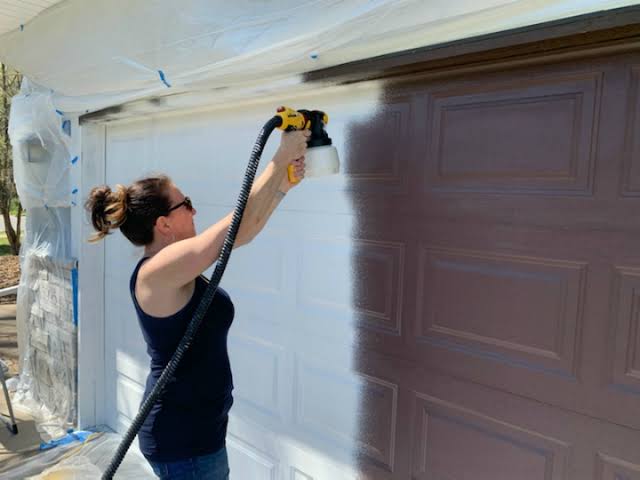
5. Can I use a spray gun to paint my garage door?
Yes, an airless paint sprayer can provide a flawless, factory-like finish. However, it requires extensive masking of your driveway, windows, and surrounding areas to avoid overspray. For most DIYers, a foam roller and angled brush offer better control with less cleanup.
Conclusion
Knowing what is the best way to paint a garage door empowers you to save thousands of dollars while dramatically boosting your home’s curb appeal. By focusing on meticulous preparation, choosing the right exterior acrylic latex paint, and applying thin, even coats, you can achieve a stunning, durable finish that lasts for years.
Did you find this guide helpful? Share this article on Facebook, Pinterest, or X (Twitter) to help your friends and neighbors tackle their own DIY home improvement projects with confidence!
Have a question or a pro tip of your own? Drop a comment below—we love hearing about your successful home transformations!
Leave a Reply