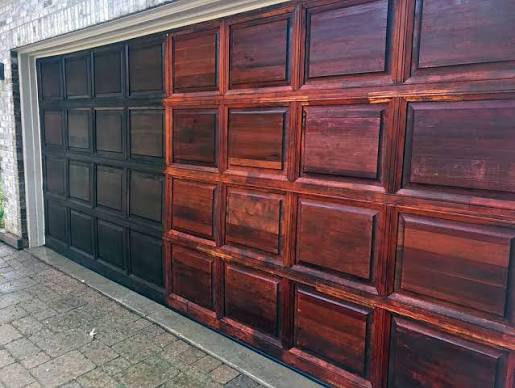
Finding the right coating for your home’s largest moving facade can be daunting. If you are wondering what is the best paint for metal garage doors, you are not alone; many homeowners struggle with peeling, fading, or rust issues after just one season. This guide breaks down the science of adhesion and durability to help you choose a product that withstands weather, friction, and time.
Why Standard House Paint Fails on Metal Doors
Before diving into specific brands, it is crucial to understand why generic exterior latex often fails on steel or aluminum surfaces. Metal expands and contracts significantly with temperature changes, more so than wood or vinyl siding. Standard paints lack the flexibility required to move with the metal substrate, leading to micro-cracks that allow moisture ingress.
Furthermore, metal surfaces are non-porous. Without proper preparation and a specialized formulation, paint sits on top rather than bonding chemically. According to industry standards, coatings designed for metal must offer superior corrosion resistance and adhesion properties. For a deeper understanding of metal corrosion processes, you can refer to the detailed scientific explanations on Wikipedia’s Corrosion page.
The Role of Primer in Longevity
Many DIYers skip priming to save time, but this is a critical error when painting metal. A high-quality primer acts as a bridge between the bare metal and the topcoat. It provides:
- Rust Inhibition: Contains zinc or phosphate compounds that stop oxidation.
- Adhesion Promotion: Creates a textured surface for the paint to grip.
- Uniform Sheen: Ensures the final color looks consistent without patchiness.
For galvanized steel doors, which have a zinc coating, you must use a primer specifically labeled as “bonding” or “galvanized metal compatible.” Standard primers will peel off this slick surface within months.
Top Contenders: What Is the Best Paint for Metal Garage Doors?
When evaluating what is the best paint for metal garage doors, three main categories emerge: Acrylic Latex, Oil-Based Alkyd, and Direct-to-Metal (DTM) coatings. Each has distinct advantages depending on your climate and effort level.
1. 100% Acrylic Latex Exterior Paint
This is the most popular choice for modern homeowners due to its ease of use and environmental safety.
| Feature | Pros | Cons |
|---|---|---|
| Durability | Excellent UV resistance; retains color well. | May require two coats for full coverage. |
| Application | Low odor; cleans up with water. | Needs longer drying time in humid conditions. |
| Flexibility | Moves with metal expansion/contraction. | Not as hard as oil-based finishes. |
Expert Insight: Look for acrylics labeled “High-Build” or “Elastomeric.” These formulations are thicker and can bridge minor imperfections in the metal surface. Brands like Sherwin-Williams Duration or Benjamin Moore MoorGard are often cited by professionals for their robust film integrity.
2. Oil-Based Alkyd Paint
Traditionally, oil-based paints were the gold standard for metal. They provide a harder, smoother finish that feels premium.
- Advantage: Superior leveling capabilities mean fewer brush marks.
- Disadvantage: Yellowing over time, especially on white doors. High VOC (Volatile Organic Compounds) levels require good ventilation.
- Best For: Historic homes or areas where a glossy, hard shell is preferred over flexibility.
3. Direct-to-Metal (DTM) Acrylics
These are industrial-grade coatings adapted for residential use. They combine primer and paint in one step, though many pros still recommend a separate primer for maximum life.
- Key Benefit: Exceptional rust prevention.
- Consideration: Often requires specific thinning or application techniques (like spray guns) for the best result.
Step-by-Step Guide to Painting Your Metal Garage Door
Achieving a professional look requires meticulous preparation. Follow these steps to ensure your paint job lasts 5–10 years.
Step 1: Clean and Degrease
Dirt, road grime, and oxidation prevent adhesion. Use a mixture of trisodium phosphate (TSP) and water.
- Mix 1 cup of TSP per 4 liters of warm water.
- Scrub the door thoroughly with a stiff-bristle brush.
- Rinse completely with a hose and let dry for at least 24 hours.
Step 2: Remove Rust and Sand
Even if you don’t see visible rust, microscopic oxidation exists.
- Use 120-grit sandpaper to scuff the entire surface. This creates a “tooth” for the paint.
- For rusty spots, use a wire brush or chemical rust converter until bare metal is exposed.
- Wipe away dust with a tack cloth.
Step 3: Apply Primer
If using a non-DTM paint, apply a rust-inhibitive primer.
- Use a high-density foam roller for flat panels to avoid stipple marks.
- Use an angled sash brush for edges and recessed panels.
- Allow the primer to cure for the time specified on the can (usually 4–6 hours).
Step 4: Paint Application
Apply your chosen topcoat.
- Temperature: Paint when temperatures are between 10°C and 32°C (50°F–90°F). Avoid direct sunlight, which causes the paint to dry too quickly and bubble.
- Technique: Apply thin, even coats. Two thin coats are better than one thick coat.
- Drying Time: Wait at least 4 hours between coats. Do not close the door until the paint is fully cured (typically 24–48 hours).
Common Mistakes to Avoid
Even with the best materials, poor technique can ruin the project. Here are pitfalls to watch out for:
- Painting in Humidity: High humidity prevents proper curing, leading to a sticky finish that attracts dirt. Check the weather forecast for low humidity days.
- Ignoring the Hardware: Remove handles, locks, and hinges if possible. If not, mask them meticulously with painter’s tape. Paint buildup on hinges can cause them to stick.
- Using Cheap Brushes: Synthetic bristles shed fibers that get stuck in the paint. Invest in high-quality nylon-polyester blend brushes for latex paints.
FAQ Section
Q1: Can I paint my metal garage door without sanding?
A: While some “no-prep” paints claim to adhere to slick surfaces, skipping sanding significantly reduces longevity. Light scuff-sanding is essential for mechanical adhesion. If you absolutely cannot sand, use a liquid deglosser or a bonding primer designed for glossy surfaces, but expect a shorter lifespan.
Q2: How often should I repaint my metal garage door?
A: With high-quality acrylic latex and proper preparation, a paint job should last 5 to 10 years. Factors like coastal salt air, extreme sun exposure, or heavy industrial pollution may reduce this to 3–5 years. Inspect annually for chalking or fading.
Q3: Is spray painting better than rolling for metal doors?
A: Spraying provides a smoother, factory-like finish without brush marks. However, it requires significant masking to protect windows and cars from overspray. Rolling is easier for DIYers and provides adequate texture if done with a high-density foam roller. Many professionals use a combination: spray for flat areas and brush for details.
Q4: What is the best sheen for metal garage doors?
A: Satin or Semi-Gloss is ideal. Flat paints trap dirt and are harder to clean. High-gloss shows every imperfection in the metal dent. Semi-gloss offers a balance of durability, ease of cleaning, and aesthetic appeal that hides minor surface irregularities.
Q5: Can I use interior paint on my garage door?
A: No. Interior paints lack UV stabilizers and mildewcides. They will chalk, fade, and peel rapidly when exposed to sunlight and rain. Always use 100% exterior-grade paint.
Q6: How do I remove old paint from a metal door?
A: For small areas, use chemical paint strippers followed by scraping. For large-scale removal, consider media blasting (sandblasting) if you have access to equipment, or use a heat gun carefully. Avoid open flames near garage doors due to potential insulation flammability.
Conclusion
Choosing what is the best paint for metal garage doors ultimately depends on balancing durability with ease of application. For most homeowners, a 100% acrylic latex exterior paint paired with a rust-inhibitive primer offers the best combination of flexibility, UV protection, and user-friendliness. Remember, preparation is 80% of the job; taking the time to clean, sand, and prime will ensure your door looks pristine for years.
If you found this guide helpful, share it with your neighbors or on social media to help others tackle their home improvement projects with confidence!
Leave a Reply