Introduction
Is your garage door squeaking, grinding, or sticking when you try to open it? You are not alone, and figuring out what is the best lubricant for garage door rollers is the very first step toward a quiet, smooth, and long-lasting system. In this comprehensive guide, we will break down the top lubricant options and show you exactly how to apply them like a seasoned professional.
What Is The Best Lubricant For Garage Door Rollers?
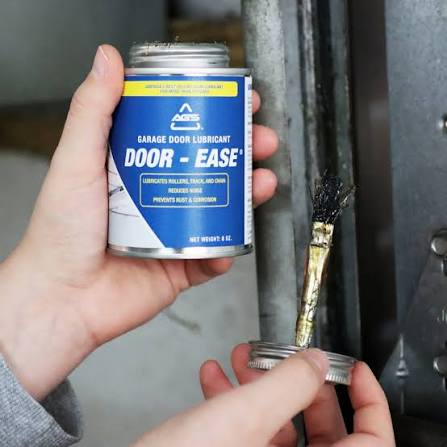
When it comes to maintaining your overhead door, not all lubricants are created equal. The absolute best lubricants for garage door rollers fall into two primary categories: silicone-based sprays and white lithium grease.
Silicone-based lubricants are widely considered the gold standard for most residential garage doors. They are lightweight, do not attract dust or dirt, and perform exceptionally well in both extreme heat and freezing cold. On the other hand, white lithium grease is a heavier, longer-lasting option that is ideal for metal-on-metal contact points, though it can attract more debris over time if overapplied.
Pro Tip: Avoid using standard, multi-purpose WD-40. While it is a great water displacer and cleaner, it is primarily a solvent, not a long-term lubricant. It will evaporate quickly, leaving your rollers dry and attracting abrasive dust that accelerates wear.
Why Lubricating Your Garage Door Rollers Matters
Regular lubrication is not just about eliminating that annoying squeak; it is a critical preventative maintenance task. According to the Door and Access Systems Manufacturers Association (DASMA), consistent and proper maintenance can extend a garage door system’s operational lifespan by up to 50%.
When rollers move without adequate lubrication, friction increases dramatically. This leads to:
- Premature wear and tear on the rollers, hinges, and tracks.
- Increased strain on the garage door opener motor, potentially leading to costly replacements.
- Noisy operation that can disturb your household or neighbors.
By investing just 15 minutes every six months, you can save hundreds of dollars in future repair costs and ensure your family’s safety and convenience.
Top 3 Recommended Lubricants for Garage Door Rollers
To help you make an informed decision, here is a detailed comparison of the best options available on the US market today.
| Lubricant Type | Best For | Pros | Cons |
|---|---|---|---|
| Silicone-Based Spray | Most residential doors (steel & nylon rollers) | Clean application, repels dust, works in all temperatures, won’t stain. | May need reapplication slightly more often than heavy grease. |
| White Lithium Grease | Heavy-duty doors, metal-on-metal hinges, and springs | Long-lasting, thick protective barrier, excellent for high-friction areas. | Can attract dirt if overapplied; messy to clean up. |
| Synthetic Garage Door Lube | All-in-one maintenance (e.g., 3-IN-ONE, Blaster) | Specifically formulated for garage systems, often includes rust inhibitors. | Slightly higher price point than generic silicone sprays. |
Understanding the basic science of friction reduction can also help you choose wisely. A proper lubricant creates a thin, protective film between moving parts, minimizing direct contact and heat generation. You can learn more about the fundamental mechanics of friction and lubrication on Wikipedia’s Lubricant page.
Step-by-Step Guide: How to Lubricate Garage Door Rollers
Applying the lubricant correctly is just as important as choosing the right product. Follow this precise, step-by-step tutorial to ensure optimal results.
Step 1: Gather Your Supplies
You will need a can of silicone-based garage door lubricant (with a straw applicator), a clean microfiber rag, a sturdy stepladder, and a mild household cleaner.
Step 2: Secure and Clean the Area
Close the garage door completely and disconnect the automatic opener by pulling the emergency release cord. Wipe down the rollers, hinges, and tracks with a damp rag to remove old grease, dirt, and cobwebs. Allow the cleaned areas to air dry for about 10 minutes before proceeding.
Step 3: Apply the Lubricant
Shake the lubricant can well. Insert the straw applicator and apply 2 to 3 short bursts of lubricant directly onto the roller bearings (the center part of the roller). Do not spray the tracks directly, as this can cause the rollers to slip. Focus on the hinges and the torsion spring (lightly) as well.
Step 4: Wipe Away the Excess
Use your clean microfiber rag to wipe away any dripping or excess lubricant. This crucial step prevents the lubricant from pooling and attracting abrasive dust, which defeats the purpose of using a clean lubricant like silicone.
Step 5: Test the System
Reconnect the garage door opener. Run the door up and down 2 to 3 times to allow the lubricant to work its way deep into the roller bearings. Listen for a smooth, quiet operation.
Frequently Asked Questions (FAQ)
Q1: Can I use regular WD-40 on my garage door rollers?
A: No, you should not use standard WD-40 on garage door rollers. While it is excellent for loosening rusted bolts and displacing moisture, it is a solvent that evaporates quickly. It will leave your rollers dry and attract dust, ultimately causing more friction and wear over time.
Q2: How often should I lubricate my garage door rollers?
A: Industry experts recommend lubricating your garage door rollers, hinges, and springs at least twice a year (every 6 months). If you live in an area with extreme weather conditions, high humidity, or heavy dust, you may want to inspect and lubricate them every 3 to 4 months.
Q3: Is silicone or lithium grease better for garage doors?
A: For the rollers themselves, silicone spray is generally better because it is clean, lightweight, and does not attract dirt. However, white lithium grease is superior for heavy metal-on-metal contact points, such as the hinges and the locking bar, where a thicker, longer-lasting barrier is needed.
Q4: What happens if you don’t lubricate garage door rollers?
A: Without lubrication, friction increases significantly. This causes the rollers to wear out faster, makes the garage door opener work harder (shortening its lifespan), and creates loud, grinding noises. In severe cases, a seized roller can derail the door from its tracks, creating a major safety hazard.
Q5: Can I lubricate nylon garage door rollers?
A: Yes, but you must be careful. Nylon rollers do not require heavy grease. A light, dry silicone spray is the best choice, as it will not degrade the nylon material. Avoid petroleum-based products or thick greases, which can cause debris buildup and hinder the smooth rotation of nylon wheels.
Conclusion
Knowing what is the best lubricant for garage door rollers is a small piece of knowledge that yields massive returns. By choosing a high-quality silicone spray or white lithium grease and applying it correctly every six months, you guarantee a quieter, safer, and more durable garage door system. You will save money on costly repairs and enjoy the peace of mind that comes with a well-maintained home.
Did you find this guide helpful? Share this article on Facebook, Twitter, or Pinterest to help your friends and family keep their garage doors running smoothly and quietly! Let us know in the comments below which lubricant worked best for your home.
Leave a Reply