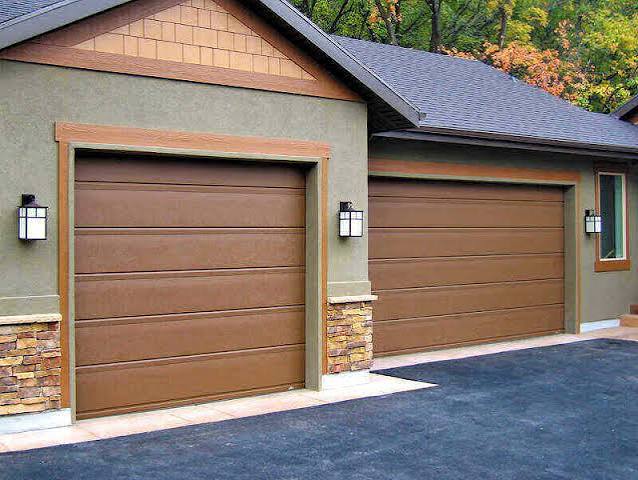
Replacing a broken or outdated garage door can feel like a sudden, stressful expense for any homeowner. Whether your current door has suffered storm damage, mechanical failure, or simply looks worn out after years of use, finding a reliable solution is crucial for both security and curb appeal. If you are asking yourself, “What Is The Average Cost To Replace A Garage Door,” you are not alone; this is one of the most common home improvement questions we receive.
The short answer is that most homeowners spend between $800 and $2,500 for a standard single-car garage door replacement, including professional installation. However, this figure can vary significantly based on materials, size, insulation levels, and additional features. In this comprehensive guide, we will break down every factor influencing the price so you can make an informed decision without overspending.
Understanding the Price Breakdown: Materials and Labor
When calculating the total cost, it is essential to distinguish between the price of the door itself and the cost of installation. While DIY enthusiasts might consider installing the door themselves, professional installation is highly recommended due to the high tension of garage door springs and the precision required for safe operation.
Material Costs: Steel vs. Wood vs. Aluminum
The material you choose is the primary driver of cost. Each option offers different benefits regarding durability, maintenance, and aesthetics.
- Steel Doors: These are the most popular choice in the US market due to their affordability and low maintenance. A basic single-layer steel door starts around $300–$600, while insulated multi-layer models range from $800 to $1,500. Steel is resistant to warping and cracking, making it ideal for varied climates.
- Wood Doors: For a classic, high-end look, wood is unmatched. However, it comes with a premium price tag, typically ranging from $1,200 to $4,000+. Wood requires regular staining or painting to prevent rot and weather damage, adding to long-term maintenance costs.
- Aluminum and Glass: Modern homes often feature aluminum frames with glass panels. These are lightweight and rust-resistant but offer less insulation. Prices generally fall between $1,000 and $2,500.
- Composite/Fiberglass: These materials mimic the look of wood but offer better durability and lower maintenance. Expect to pay between $1,200 and $2,000.
| Material | Average Cost Range | Durability | Maintenance Level |
|---|---|---|---|
| Steel (Single Layer) | $300 – $800 | High | Low |
| Steel (Insulated) | $800 – $1,500 | Very High | Low |
| Wood | $1,200 – $4,000+ | Moderate | High |
| Aluminum/Glass | $1,000 – $2,500 | High | Low |
| Composite | $1,200 – $2,000 | High | Moderate |
Labor and Installation Fees
Professional installation typically costs between $200 and $500 for a standard door. This fee includes removing the old door, installing the new tracks, springs, rollers, and hardware, and testing the safety sensors. If your existing tracks or opener are incompatible with the new door, additional labor charges may apply.
For more complex installations, such as custom-sized doors or those requiring structural adjustments to the garage opening, labor costs can rise to $600–$1,000. Always ask for a detailed quote that separates material costs from labor to avoid hidden fees.
How Size and Style Impact Your Budget
Not all garage doors are created equal. The dimensions and design complexity play a significant role in the final invoice.
Standard vs. Custom Sizes
Most single-car garage doors measure 8×7 feet or 9×7 feet, while double-car doors are typically 16×7 feet or 18×7 feet. Sticking to these standard sizes keeps costs down because manufacturers produce them in bulk.
If your garage has a non-standard opening—perhaps due to an older home or unique architecture—you will need a custom-made door. Custom sizes can increase the cost by 20–50% because they require specialized manufacturing and longer lead times. For example, a custom 10×8 foot wooden door could easily exceed $3,500 before installation.
Design Complexity and Windows
Adding windows to your garage door enhances natural light and aesthetic appeal but also increases the price. Basic window inserts add $50–$100 per panel, while decorative glass options can add $200–$400 to the total. Similarly, intricate designs, such as carriage-house styles with faux hinges and handles, require more labor to assemble and install, pushing the price higher than simple raised-panel designs.
The Role of Insulation and Energy Efficiency
Many homeowners overlook insulation, but it is a critical factor for comfort and energy savings, especially if your garage is attached to your home or used as a workspace.
R-Value Explained
Insulation is measured by its R-value, which indicates thermal resistance. Higher R-values mean better insulation.
- Non-Insulated (R-0 to R-2): Cheapest option, suitable for detached garages in mild climates.
- Standard Insulation (R-6 to R-9): Uses polystyrene foam. Good for moderate climates and reduces noise.
- High-Performance Insulation (R-12 to R-18): Uses polyurethane foam injected between steel layers. Ideal for extreme temperatures and attached garages.
Upgrading from a non-insulated to a high-performance insulated door can add $200–$500 to the initial cost. However, this investment can lower your heating and cooling bills by preventing air leakage into your home. According to energy efficiency experts, proper garage insulation can contribute to overall home energy savings of up to 15% in regions with harsh winters or summers.
Additional Costs: Openers, Hardware, and Disposal
When budgeting for a new garage door, do not forget the ancillary components that ensure smooth operation.
Garage Door Openers
If your current opener is old or incompatible with the new door’s weight, you will need to replace it. Basic chain-drive openers cost $150–$250, while quiet belt-drive models with smart home integration range from $300 to $600. Professional installation of the opener usually adds another $100–$200.
Hardware Upgrades
Standard rollers are made of steel and can be noisy. Upgrading to nylon-coated or rubber rollers reduces noise and wear, costing an extra $50–$100. Similarly, heavy-duty springs may be required for heavier wooden or insulated doors, adding $100–$200 to the hardware cost.
Disposal Fees
Removing and disposing of your old garage door is not always free. Some installers include this in their quote, while others charge a disposal fee of $50–$100. Check with your provider beforehand to avoid surprises.
When to Repair vs. Replace
Deciding whether to repair or replace depends on the extent of the damage and the age of the door.
- Repair If: The issue is minor, such as a broken spring, damaged panel, or misaligned track. Repairs typically cost $150–$400. If your door is less than 10 years old and in good condition otherwise, repair is often the most cost-effective choice.
- Replace If: The door is over 15 years old, has multiple damaged panels, suffers from frequent breakdowns, or lacks modern safety features. Additionally, if you want to improve curb appeal or energy efficiency, replacement is the better long-term investment.
For more information on garage door standards and safety guidelines, you can refer to resources provided by industry authorities such as Wikipedia’s entry on Garage Doors, which outlines historical developments and technical specifications.
FAQ Section
1. How long does it take to replace a garage door?
A professional team can typically remove the old door and install a new one in 3 to 5 hours. Complex installations or custom orders may take longer, potentially spanning two days if structural adjustments are needed.
2. Can I replace a garage door myself to save money?
While possible, it is not recommended for most homeowners. Garage doors are heavy, and the torsion springs are under extreme tension. Improper handling can lead to serious injury or property damage. Professional installation ensures safety, warranty validity, and proper alignment.
3. Does replacing a garage door increase home value?
Yes. According to real estate studies, garage door replacement offers one of the highest returns on investment (ROI) among home improvement projects, often recouping 90–95% of the cost upon resale. It significantly boosts curb appeal, which is critical for first impressions.
4. What is the lifespan of a new garage door?
With proper maintenance, a high-quality steel garage door can last 15–30 years. Wood doors may have a shorter lifespan of 10–15 years due to weather exposure unless meticulously maintained. Regular lubrication and annual inspections can extend the life of any door.
5. Are there financing options available for garage door replacement?
Many installation companies offer financing plans, allowing you to pay in monthly installments. Additionally, some home improvement credit cards or personal loans can be used. Always compare interest rates and terms to find the most affordable option.
Conclusion
Understanding what is the average cost to replace a garage door empowers you to budget effectively and choose the right product for your needs. While the average homeowner spends between $800 and $2,500, your specific cost will depend on material choices, size, insulation, and additional features. Investing in a high-quality, insulated steel door often provides the best balance of durability, energy efficiency, and value.
Don’t let a failing garage door compromise your home’s security or appearance. Take the time to compare quotes, consider long-term benefits, and hire certified professionals for installation. If you found this guide helpful, please share it with friends or neighbors who might be facing similar home improvement decisions. Your next step is to contact local reputable dealers for personalized estimates!
Leave a Reply