If your garage door suddenly won’t open or feels unusually heavy, you might be wondering: what does a broken garage door spring look like? This is a common issue many homeowners face, and spotting it early can prevent further damage—or even injury. Let’s break it down in a simple, clear way so you can identify the problem fast.
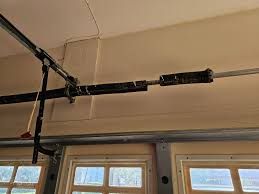
What Does a Broken Garage Door Spring Look Like? (Quick Answer)
A broken garage door spring usually shows visible gaps, separation, or deformation in the coil. In most cases, you’ll notice:
- A 2–3 inch gap in the spring
- The spring hanging loosely
- Rust, stretching, or uneven tension
Read too: Tc1 Tricode Garage Door Opener Remote W/ Clip Chamberlain: Complete Guide
These are the clearest visual signs that the spring has snapped.
What Types of Garage Door Springs Can Break?
There are two main types of springs:
1. Torsion Springs (Most Common)
- Mounted above the garage door
- Horizontal metal coil on a shaft
- Break creates a clean gap in the coil
2. Extension Springs
- Located along the sides of the door
- Stretch and contract when the door moves
- When broken, they may appear:
- Stretched out
- Hanging loose
- Completely detached
Top Visual Signs of a Broken Garage Door Spring
1. Visible Gap in the Spring
This is the most obvious sign.
- A torsion spring will have a clear separation (2–3 inches)
- The coil looks “split” in the middle
2. Loose or Hanging Spring
For extension springs:
- One side may hang lower than the other
- The spring may appear disconnected
3. Rust and Wear Before Breakage
Before snapping, springs often show:
- Heavy rust
- Uneven stretching
- Worn-out coils
4. Crooked or Uneven Door
If one spring breaks:
- The door may tilt to one side
- Movement becomes uneven
5. Loud “Bang” Noise
Many homeowners report hearing a loud snap—similar to a firecracker. This often happens when the spring breaks under tension.
How to Confirm If the Spring Is Broken (Step-by-Step)
Step 1: Disconnect the Opener
- Pull the emergency release cord
- This allows manual operation
Step 2: Try Lifting the Door Manually
- If it feels extremely heavy, the spring is likely broken
- A working spring should make lifting easy
Step 3: Inspect the Spring Visually
- Use a ladder (6–8 feet recommended)
- Look for gaps, breaks, or loose coils
Step 4: Check Both Sides
- Some systems have two springs
- If one breaks, the other may still be intact
Why Garage Door Springs Break
Garage door springs are under constant tension. Over time, they wear out.
Common Causes:
- Normal wear and tear (10,000–20,000 cycles)
- Rust buildup
- Poor maintenance
- Extreme temperature changes
According to general mechanical principles explained in https://en.wikipedia.org/wiki/Garage_door, repeated stress cycles weaken metal components over time.
How Long Do Garage Door Springs Last?
Average Lifespan:
- Standard springs: 7–10 years
- High-cycle springs: 10–15 years
Usage Impact:
- 4 cycles/day = ~7 years
- 8 cycles/day = ~3–4 years
Broken vs Working Spring (Comparison Table)
| Feature | Working Spring | Broken Spring |
|---|---|---|
| Coil Shape | Tight, uniform | Gap or separation |
| Door Movement | Smooth | Heavy or stuck |
| Noise | Quiet | Loud snap/bang |
| Tension | Balanced | Loose or uneven |
Is It Safe to Use a Garage Door with a Broken Spring?
No—it’s not safe.
Risks:
- Door can fall suddenly
- Opener motor may burn out
- Serious injury risk
Garage door springs hold significant tension, making them dangerous when damaged.
Can You Fix a Broken Garage Door Spring Yourself?
Short Answer: Not recommended.
Why:
- Springs are under high tension
- Requires specialized tools
- Risk of injury is high
Most experts strongly advise hiring a professional for spring replacement.
Pros vs Cons: Repair vs Replace
Repair (Temporary Fix)
✔ Lower cost initially
✔ Quick solution
✘ Not long-lasting
✘ May fail again soon
Replacement (Recommended)
✔ Long-term solution
✔ Improved safety
✔ Better performance
✘ Higher upfront cost
Expert Insight: Why Early Detection Matters
Home maintenance experts emphasize that identifying a broken spring early can:
- Prevent motor damage
- Reduce repair costs
- Improve safety
Studies show that ignoring early warning signs increases total repair costs by up to 50% due to additional damage.
Common Mistakes Homeowners Make
- Ignoring unusual noises
- Continuing to use the opener
- Attempting DIY spring repair
- Replacing only one spring instead of both
When Should You Call a Professional?
Call a technician if:
- You see a visible gap in the spring
- The door won’t open
- You heard a loud snap
- The door feels too heavy
FAQ: Broken Garage Door Spring
Q1: What does a broken garage door spring look like?
A: It usually shows a visible gap in the coil or appears loose and disconnected.
Q2: Can I open my garage door with a broken spring?
A: It’s possible but not recommended—it can be dangerous and damage the opener.
Q3: How much does it cost to replace a spring?
A: Typically $150–$350, depending on type and labor.
Q4: Should I replace both springs?
A: Yes. If one breaks, the other is likely near failure.
Q5: How do I prevent spring damage?
A: Regular maintenance, lubrication, and inspections help extend lifespan.
Q6: What sound does a broken spring make?
A: A loud “bang” or snapping noise, often mistaken for something falling.
Conclusion
Now you clearly understand what does a broken garage door spring look like—from visible gaps to loose coils and uneven movement. Recognizing these signs early can save you time, money, and prevent dangerous situations.
If you found this guide helpful, consider sharing it with friends or family. It might help them spot a problem before it becomes a costly repair!
Leave a Reply