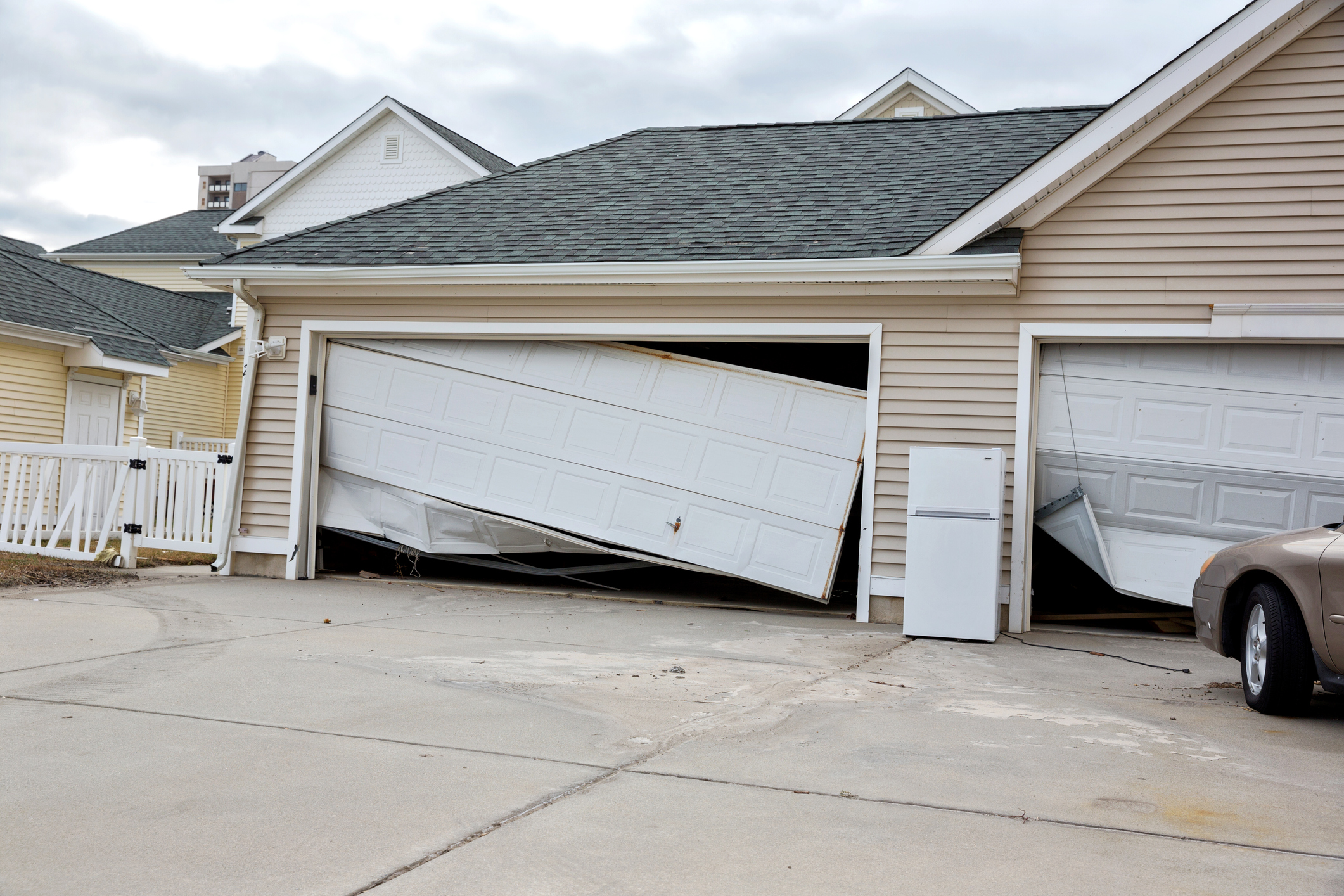
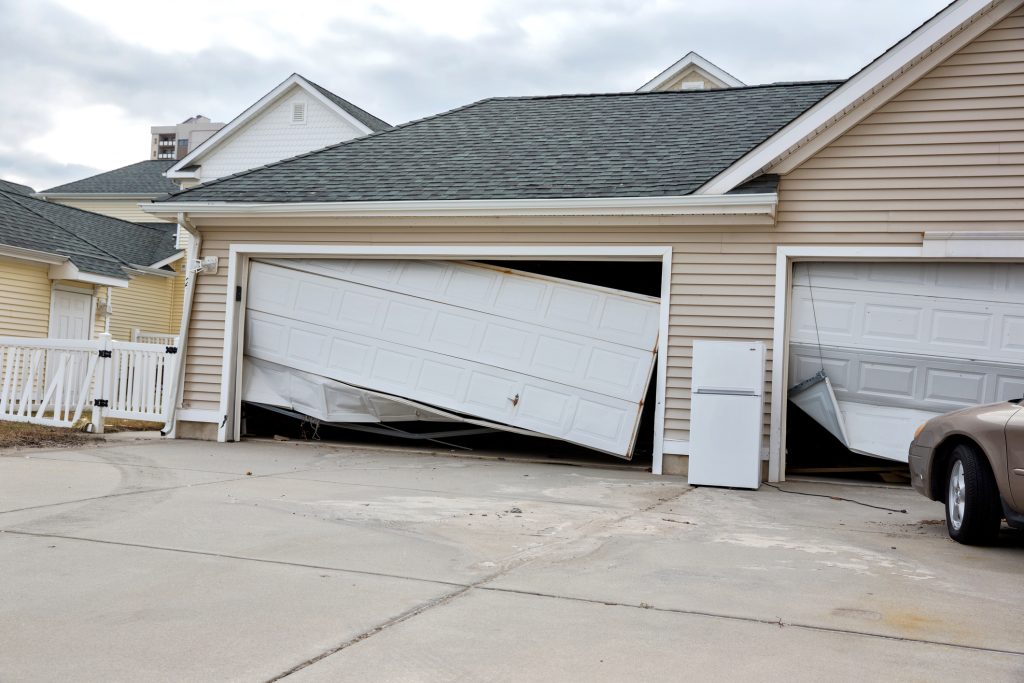
Preparing for a severe storm is incredibly stressful, and you might be asking yourself, “Should I leave my garage door open during a hurricane” to equalize the air pressure? Let’s bust this dangerous myth right now and ensure your home and family stay completely safe.
Should I Leave My Garage Door Open During A Hurricane? The Short Answer
The short and absolute answer is no. You should never leave your garage door open during a hurricane.
For decades, a widespread myth suggested that homeowners should open windows or garage doors to “equalize pressure” inside and outside the house. People believed this would stop the house from exploding outward. However, modern structural engineering has thoroughly debunked this.
When you leave your garage door open, you are simply inviting catastrophic wind speeds directly into the weakest point of your home. The garage door is typically the largest and most vulnerable opening in a residential structure. Keeping it tightly closed and properly reinforced is the single most important step you can take to protect your roof and walls.
The Dangerous Science of Wind Pressure
To understand why keeping the door closed is vital, we need to look at how wind interacts with buildings. A hurricane produces catastrophic wind speeds that create extreme changes in air pressure.
When high-speed wind hits your home, it creates negative pressure (suction) on the roof and the leeward (downwind) side of the house. If your garage door fails or is left open, wind rushes inside. This causes internal pressurization.
Here is exactly what happens when wind enters an open garage:
- Upward Lift: The trapped, pressurized air pushes violently upward against the roof deck.
- Outward Push: The same air pushes outward against the interior walls.
- Structural Failure: When you combine this internal outward pressure with the external suction on the roof, the structural integrity of your home fails. The roof literally lifts off, and the walls blow out.
According to the Insurance Institute for Business & Home Safety (IBHS), garage door failure is the leading cause of roof loss during hurricanes. Once the garage door gives way, the rest of the house follows in minutes.
Step-by-Step Guide: How to Secure Your Garage Door
Knowing that you must keep the door closed is only half the battle. Standard residential garage doors are not built to withstand 150 mph winds on their own. Here is a concrete, step-by-step tutorial on how to properly secure your garage door before the storm hits.
Step 1: Inspect and Clean the Tracks
Before installing any braces, ensure the door can close perfectly. Wipe down the metal tracks with a dry cloth to remove debris. Check that the rollers are intact and the tracks are perfectly aligned. A door that is slightly off-track will fail much faster under wind load.
Step 2: Install a Horizontal Bracing Kit
This is the most critical step. You need to install a hurricane-rated garage door brace.
- The Hardware: Use a horizontal steel bracing kit specifically rated for 160 mph winds.
- The Installation: Position the steel brace horizontally across the widest sections of the door panels (usually the second and fourth panels from the bottom).
- The Fasteners: Secure the brace to the door jambs using #12 self-tapping structural wood screws. Drive the screws exactly 6 inches apart into the solid wooden framing behind the drywall, not just into the drywall itself.
Step 3: Lock the Door Manually
Even if you have a bracing kit, engage the manual lock at the bottom of the door. If your garage has an automatic opener, pull the emergency release red cord to disconnect the motor. This prevents the motor mechanism from snapping and creating a weak point in the center of the door.
Step 4: Clear the Interior
Remove all loose items from the garage. Bicycles, lawnmowers, and garden tools can become dangerous projectiles if the door does experience a minor breach. Park your vehicles outside the garage if possible, or push them as far back against the interior wall as possible to act as a physical buffer.
Garage Door Protection: Pros and Cons
Not all protection methods are created equal. Here is a quick comparison of the most common storm protection methods for your garage.
| Protection Method | Pros | Cons | Best For |
|---|---|---|---|
| Steel Bracing Kits | Affordable ($100-$200); easy to store; highly effective when installed correctly. | Must be manually installed before every storm; does not protect against flying debris impacts. | Homeowners on a budget with standard, non-impact doors. |
| Hurricane Screens | Allows light and visibility; protects against flying debris; permanently mounted. | Very expensive ($2,000+); requires professional installation. | High-end homes or those with large glass garage doors. |
| Impact-Rated Doors | Always ready; requires zero preparation; offers maximum structural and debris protection. | Extremely expensive ($3,000-$5,000+); requires professional replacement of the old door. | New construction or homeowners replacing an old door. |
| Plywood Covers | Very cheap; provides excellent debris protection. | Heavy and dangerous to install; blocks all light; looks unappealing; requires pre-drilling. | Emergency, last-minute preparations when no other option exists. |
Frequently Asked Questions (FAQ)
1. Can wind get under a closed garage door and lift my roof?
While wind can get under a closed door, the danger is minimal compared to wind getting inside. The bottom seal of a closed garage door is designed to resist wind uplift. The real danger occurs when the door itself bows inward, breaks, and allows massive volumes of air to enter the garage, pressurizing the entire house.
2. Should I open my windows on the opposite side of the storm?
Absolutely not. Opening windows on the leeward side of the house is just as dangerous as opening the garage door. It allows wind to enter the living space, pressurizing the house and significantly increasing the likelihood of roof failure. Keep all windows and doors tightly closed and locked.
3. How much wind pressure can a standard residential garage door handle?
A standard, unreinforced residential garage door is typically only rated to withstand wind speeds of 50 to 75 mph. Once winds exceed this threshold, the door will begin to bow, buckle, and eventually collapse inward. This is why adding a bracing kit or upgrading to an impact-rated door is crucial in hurricane zones.
4. Is it safe to leave my automatic garage door opener engaged during a storm?
No, you should always disconnect the automatic opener. The violent vibrations and wind pressure can cause the motor’s internal gears to strip or the carriage to slip. Pulling the manual release red cord disengages the motor and allows the door to act as a single, solid unit.
5. What should I do if my garage door gets damaged during the storm?
If you are already in the middle of a hurricane and hear your garage door failing, do not attempt to go outside or into the garage to fix it. Move your family to an interior room on the lowest floor, away from windows. Once the storm has completely passed and authorities declare it safe, contact a professional garage door repair service immediately to board up the opening.
Conclusion
When facing a massive storm, the safety of your home relies on making smart, science-backed decisions. To answer the ultimate question: Should I leave my garage door open during a hurricane? The answer is a resounding no. Keep it closed, lock it, and reinforce it with a proper bracing kit to prevent catastrophic wind pressurization.
By taking these proactive steps, you protect not just your property, but the lives of your loved ones inside.
Leave a Reply