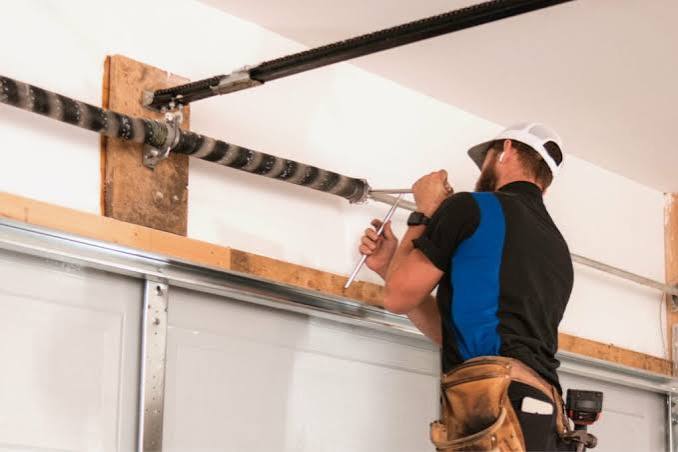
Your garage door opener suddenly stops working, leaving you stranded outside your home. You’re facing a frustrating dilemma that thousands of American homeowners encounter annually: is it cheaper to repair or replace garage door opener? This decision can impact your wallet significantly, with costs ranging from $100 for minor repairs to over $500 for complete replacement. Let’s break down the numbers and help you make the smartest financial choice.
Understanding the True Costs: Repair vs. Replacement
When your garage door opener fails, the immediate question isn’t just about functionality—it’s about finances. According to HomeAdvisor, the average American homeowner spends between $150-$350 on garage door opener repairs, while complete replacements typically cost $300-$600, including installation.
When Repair Makes Financial Sense
Repair becomes the economical choice when:
- The opener is less than 7 years old
- The issue involves simple components like sensors, remote controls, or wiring
- Repair costs remain under 50% of replacement price
- The motor and main drive mechanism are still functional
Common repair scenarios and their typical costs:
| Repair Type | Average Cost | Time Required |
|---|---|---|
| Sensor realignment | $75-$125 | 30-60 minutes |
| Remote control replacement | $50-$100 | Immediate |
| Circuit board repair | $150-$250 | 1-2 hours |
| Chain/belt adjustment | $100-$175 | 45-90 minutes |
| Motor capacitor replacement | $125-$200 | 1-2 hours |
When Replacement Becomes More Cost-Effective
Replacement often proves cheaper in the long run when:
- The opener is over 10-12 years old
- Multiple components need fixing simultaneously
- Repair estimates exceed $300
- Energy efficiency improvements justify the upgrade
- Safety features in newer models provide added value
Modern garage door openers offer significant advantages over older models. Today’s units feature battery backup systems, smartphone connectivity, and enhanced security protocols that weren’t available in previous generations.
Key Factors That Influence Your Decision
Several critical factors should guide your repair versus replacement decision. Understanding these elements helps ensure you’re making the most financially sound choice for your specific situation.
Age and Condition Assessment
The age of your garage door opener serves as the primary indicator for repair versus replacement decisions. Most manufacturers design openers to last 10-15 years with proper maintenance. If your unit approaches or exceeds this timeframe, replacement often becomes the wiser investment.
Consider the rule of thumb: if repair costs exceed 50% of a new unit’s price and your opener is over 8 years old, replacement typically offers better long-term value. This calculation accounts for potential future repairs and improved efficiency of newer models.
Frequency of Breakdowns
Track your repair history carefully. If you’ve called for service more than twice in the past two years, you’re likely dealing with a unit nearing the end of its useful life. Frequent breakdowns indicate systemic issues that temporary fixes won’t resolve permanently.
Warning signs that suggest replacement:
- Increasing frequency of malfunctions
- Unusual noises during operation
- Slower opening and closing times
- Inconsistent performance in different weather conditions
- Multiple component failures within short periods
Energy Efficiency Considerations
Newer garage door openers consume significantly less electricity than older models. Modern units use LED lighting instead of incandescent bulbs, reducing energy consumption by up to 75%. Additionally, advanced motor technology in contemporary openers operates more efficiently, potentially saving $20-$40 annually on electricity costs.
According to the U.S. Department of Energy, upgrading to energy-efficient appliances can reduce household energy bills by 10-30%. While garage door openers represent a small portion of total home energy usage, every efficiency improvement contributes to overall savings.
Safety and Security Features
Safety standards for garage door openers have evolved significantly since 1993, when federal regulations mandated auto-reverse mechanisms. Modern openers include:
- Enhanced photo-eye sensors that detect obstacles more accurately
- Rolling code technology preventing code theft and unauthorized access
- Battery backup systems ensuring operation during power outages
- Smartphone integration allowing remote monitoring and control
- Automatic lighting timers improving convenience and security
If your current opener lacks these features, especially if you have young children or pets, replacement provides invaluable peace of mind alongside financial considerations.
Step-by-Step Decision Framework
Follow this systematic approach to determine whether repair or replacement suits your situation best:
Step 1: Diagnose the Problem Identify the specific issue affecting your opener. Common problems include sensor misalignment, worn gears, faulty circuit boards, or motor failure. Simple issues like sensor problems often warrant repair, while motor failures in older units suggest replacement.
Step 2: Get Professional Estimates Obtain at least two quotes from licensed garage door technicians. Request detailed breakdowns showing parts and labor costs separately. This transparency helps you understand exactly what you’re paying for and enables accurate comparison shopping.
Step 3: Calculate the 50% Rule Compare repair costs against replacement prices. If repairs exceed 50% of replacement cost and your unit is over 8 years old, replacement typically offers better value. For example, if a new opener costs $400 installed and repairs total $250, replacement becomes the smarter choice.
Step 4: Consider Future Costs Factor in potential future repairs based on your opener’s age and condition. An 12-year-old unit requiring $200 in repairs today might need another $300 in repairs within two years, making immediate replacement more economical.
Step 5: Evaluate Additional Benefits Assess non-financial benefits of replacement, including improved safety features, enhanced convenience, better warranty coverage, and increased home value. These factors often tip the balance toward replacement even when repair costs seem reasonable.
Maximizing Value Regardless of Your Choice
Whether you choose repair or replacement, several strategies help maximize your investment:
For Repairs:
- Choose certified technicians with positive reviews
- Request warranties on both parts and labor
- Ask about preventive maintenance packages
- Consider upgrading individual components rather than complete repair
For Replacements:
- Compare at least three brands and models
- Look for units with strong warranty coverage (minimum 5 years)
- Consider professional installation versus DIY based on complexity
- Time your purchase during off-season periods for potential discounts
Frequently Asked Questions
How long do garage door openers typically last?
Most garage door openers last between 10-15 years with regular maintenance. Chain-drive models tend to last longer than belt-drive units but produce more noise. Environmental factors, usage frequency, and maintenance quality significantly impact lifespan. Units in harsh climates or heavy-use situations may require replacement sooner.
What are the signs my garage door opener needs replacement?
Key indicators include frequent breakdowns, unusual grinding or squeaking noises, slow operation, inconsistent performance, and age exceeding 10-12 years. If your opener struggles to lift the door, makes excessive noise, or requires constant adjustments, replacement likely provides better long-term value than continued repairs.
Can I repair my garage door opener myself?
Simple repairs like sensor realignment, remote programming, or basic troubleshooting can be DIY projects for handy homeowners. However, electrical components, motor repairs, and spring adjustments require professional expertise due to safety risks. Always prioritize safety and consult professionals for complex repairs involving electrical systems or high-tension components.
How much does professional garage door opener installation cost?
Professional installation typically costs $150-$300 depending on your location, opener type, and installation complexity. This fee usually includes removing the old unit, installing the new opener, programming remotes, and testing safety features. Some retailers offer free installation with opener purchases, so compare total package costs when shopping.
Are expensive garage door openers worth the investment?
Higher-priced openers often justify their cost through superior durability, advanced features, and longer warranties. Premium models include battery backup, smartphone connectivity, and quieter operation. For homeowners planning to stay in their house long-term, investing in quality pays dividends through reduced maintenance and enhanced convenience.
Will replacing my garage door opener increase my home’s value?
While garage door opener replacement rarely provides direct return on investment, it enhances curb appeal and buyer confidence during home sales. Modern, quiet, and secure openers appeal to potential buyers and demonstrate proper home maintenance. The indirect value comes from improved marketability rather than direct appraisal increases.
Making the Smart Choice for Your Home
Deciding whether it’s cheaper to repair or replace garage door opener depends on multiple factors unique to your situation. By considering age, repair costs, frequency of issues, and modern features, you can make an informed decision that balances immediate costs with long-term value.
Remember that the cheapest option isn’t always the most economical choice. A $150 repair on a 12-year-old opener might seem attractive compared to a $450 replacement, but if another repair becomes necessary within months, you’ll spend more overall. Factor in reliability, safety, and convenience alongside pure cost calculations.
Take time to evaluate your specific circumstances using the framework provided above. Get professional opinions, compare costs honestly, and consider your family’s safety and convenience needs. Whether you choose repair or replacement, making an informed decision ensures you get the best value for your investment.
Leave a Reply