If your garage door suddenly feels heavy, won’t open properly, or makes unusual noises, you may be wondering How To Tell If Garage Door Springs Are Broken. This is one of the most common yet serious garage door issues homeowners face.
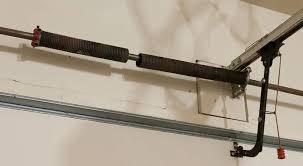
Garage door springs carry most of the door’s weight, so when they fail, the system becomes unsafe or unusable. Knowing the early warning signs can help you avoid costly damage or injury.
What Do Garage Door Springs Do?
Garage door springs are responsible for balancing and lifting the heavy weight of the door. Without them, the motor alone cannot lift the door safely.
Read too: Tc1 Tricode Garage Door Opener Remote W/ Clip Chamberlain: Complete Guide
Most residential garage doors weigh between 130 to 300 pounds, but thanks to spring tension, they can be lifted with minimal effort. This balance system is a key part of modern mechanical engineering, similar to force distribution principles explained by Wikipedia.
When springs break, this balance is lost immediately.
How To Tell If Garage Door Springs Are Broken (Main Signs)
Here are the most common indicators you should look for:
1. Garage Door Feels Extremely Heavy
If your garage door suddenly feels difficult or impossible to lift manually, this is a strong sign the springs are broken.
👉 Normally, the door should lift smoothly with little effort.
2. Loud Bang or Snap Sound
Many homeowners report hearing a loud “bang” from the garage.
This is often the sound of a torsion spring snapping under tension.
3. Door Opens Only a Few Inches
If your How To Tell If Garage Door Springs Are Broken concern is valid, you may notice:
- Door starts opening but stops halfway
- Motor struggles or shuts off
- Door feels stuck
4. Visible Gap in the Spring
Look above the garage door:
- Broken torsion springs show a clear 2–3 inch gap
- Extension springs may appear stretched or separated
5. Crooked or Uneven Door Movement
A broken spring can cause:
- One side lifting higher than the other
- Jerky movement
- Door tilting to one side
Types of Garage Door Springs
1. Torsion Springs
- Mounted above the door
- Use torque to lift door
- More durable and commonly used
2. Extension Springs
- Located on side tracks
- Stretch and contract
- More common in older systems
Comparison: Working vs Broken Springs
| Feature | Working Springs | Broken Springs |
|---|---|---|
| Door Weight | Light | Very heavy |
| Movement | Smooth | Jerky or stuck |
| Noise | Quiet | Loud snap |
| Balance | Even | Uneven |
Why Garage Door Springs Break
1. Wear and Tear
Most springs last 7–10 years or about 10,000 cycles (open/close operations).
2. Rust and Corrosion
Moisture can weaken metal tension over time.
3. Poor Maintenance
Lack of lubrication increases friction and stress.
4. Temperature Changes
Extreme heat or cold can affect metal elasticity.
What Happens When Springs Break?
When springs fail:
- The opener motor is overloaded
- Door becomes unsafe to lift
- Risk of sudden door drop increases
- Additional parts may get damaged
This is why experts recommend stopping use immediately once failure is suspected.
Expert Insight: Why Spring Failure Is Dangerous
Garage door professionals emphasize that springs store high tension energy. When they break, that energy releases instantly.
Industry technicians estimate that garage doors undergo thousands of cycles per year in average households, making spring fatigue one of the most common mechanical failures.
Ignoring early signs can lead to motor burnout or structural damage.
How To Safely Check Garage Door Springs
Step-by-Step Inspection Guide:
- Disconnect garage door opener
- Try lifting door manually
- Observe resistance level
- Inspect spring visually
- Listen for unusual sounds
⚠️ Never attempt to repair or tighten springs yourself—this can be dangerous.
What To Do If Your Springs Are Broken
Immediate Actions:
- Stop using the garage door
- Do not force it open
- Disconnect automatic opener
- Contact a professional technician
Maintenance Tips To Prevent Spring Breakage
- Lubricate springs every 3–6 months
- Schedule annual inspections
- Avoid excessive manual force
- Keep tracks clean and aligned
- Balance door properly
When To Call a Professional
You should contact a garage technician if:
- You hear a loud snap
- Door feels unusually heavy
- Springs are visibly broken
- Door is stuck or uneven
Spring replacement is not recommended as a DIY task due to high tension risk.
FAQ: How To Tell If Garage Door Springs Are Broken
1. How do I know if my garage door springs are broken?
Common signs include a heavy door, loud snapping noise, or visible spring gap.
2. Can I open a garage door with broken springs?
It is not recommended. The door will be extremely heavy and unsafe to operate.
3. What does a broken garage spring sound like?
Usually a loud bang or snapping sound occurs when the spring breaks.
4. How long do garage door springs last?
Typically 7–10 years or around 10,000 open/close cycles.
5. Can one spring break while the other still works?
Yes, especially in dual-spring systems, but both should be replaced for balance.
6. Is it dangerous to replace garage springs yourself?
Yes, due to high tension, spring replacement should only be handled by professionals.
Conclusion
Understanding How To Tell If Garage Door Springs Are Broken is essential for keeping your garage system safe and functional. Early detection helps prevent serious damage, reduces repair costs, and ensures your home remains secure.
If you notice any warning signs like heavy doors, loud snaps, or uneven movement, take immediate action and contact a professional.
If this guide helped you, feel free to share it with friends or family who may also be experiencing garage door issues.
Leave a Reply